UNESCO Wildlife Site
Kaziranga National Park
Famous for the one-horned rhinoceros, Kaziranga offers thrilling safaris, wetlands, elephants, rare birds, and rich wildlife experiences.


Discover the Queen of the Hills with local experts. Curated experiences across Darjeeling, Sikkim, and Nepal.





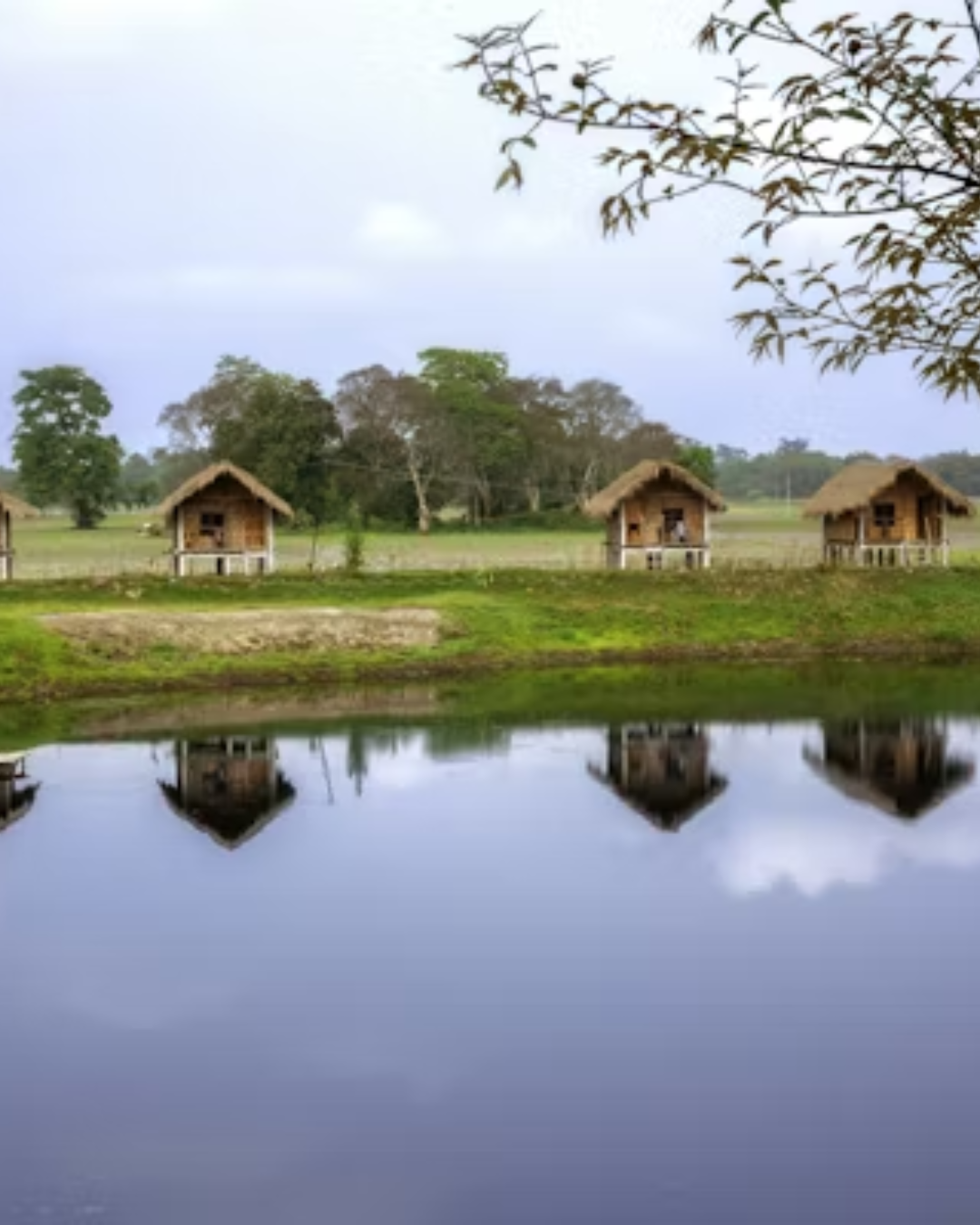
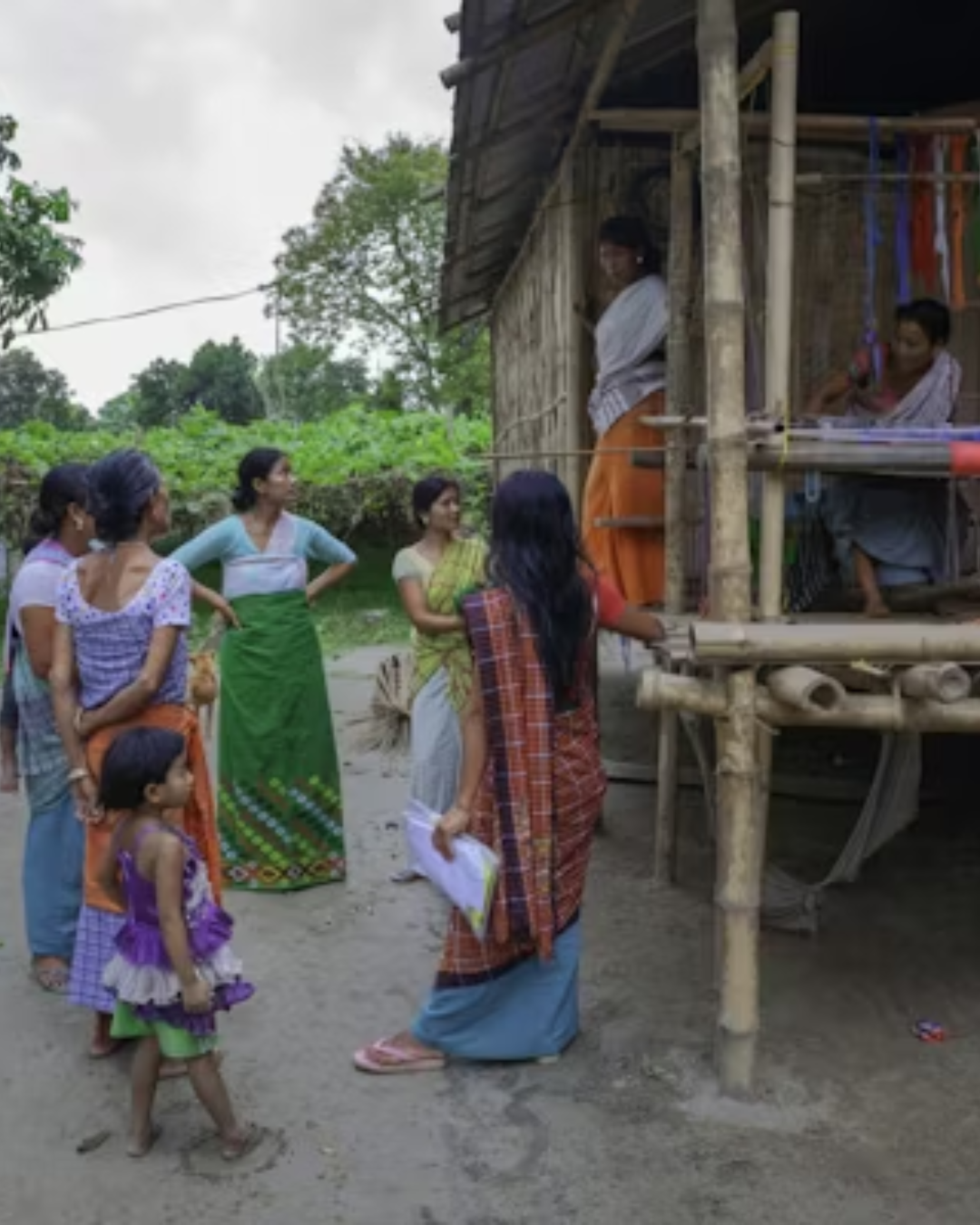
Imagine a place where the gentle rustle of tea leaves in the breeze is as familiar as the sound of city traffic, where ancient rituals blend effortlessly with modern life, and where every river bend tells a story of centuries past.
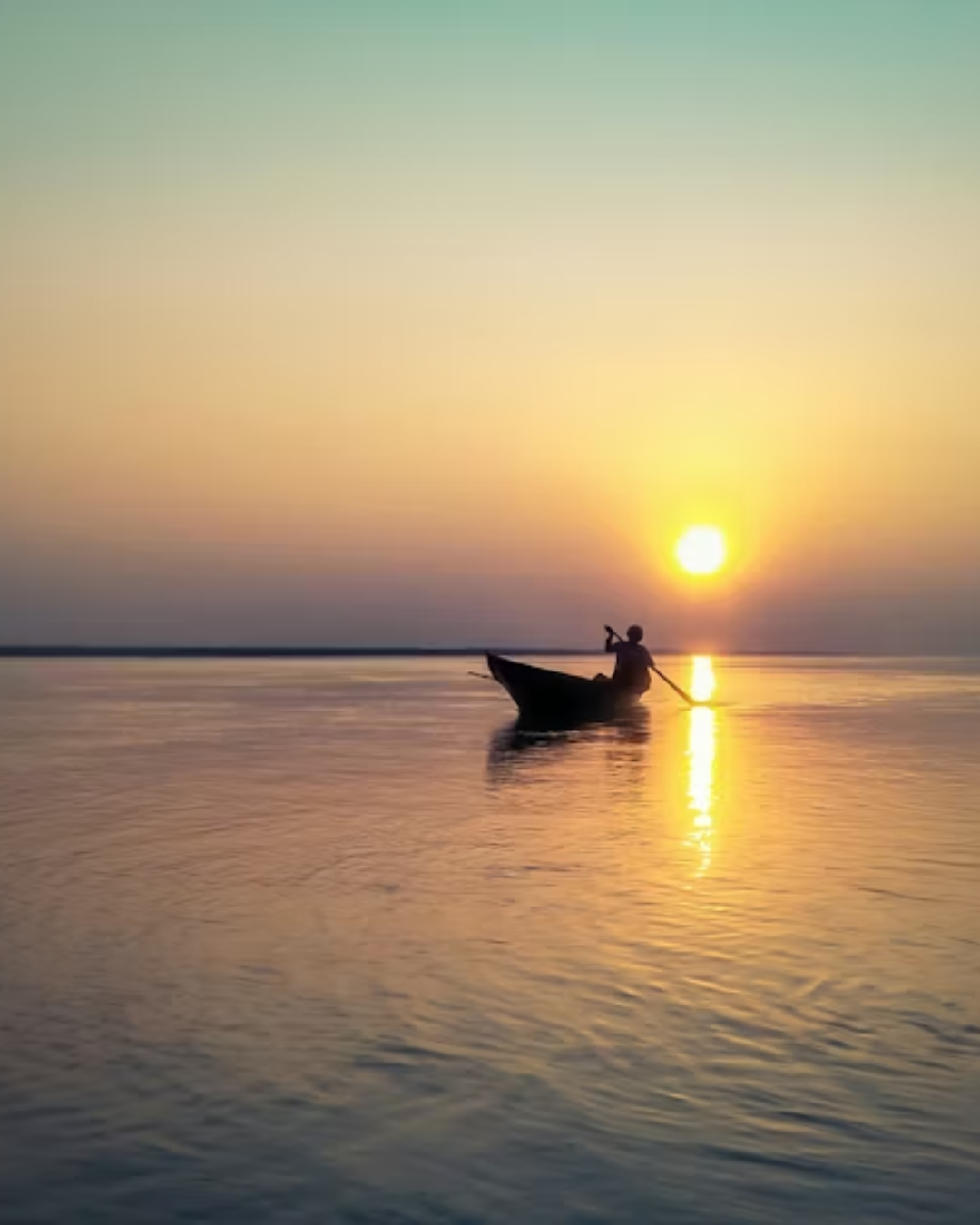
Welcome to Assam — a land shaped by the mighty Brahmaputra River, endless tea gardens, vibrant festivals, and warm hospitality. From the wild beauty of Kaziranga National Park to the colorful spirit of Bihu, Assam offers journeys that feel both timeless and unforgettable.

Assam blends ancient culture, breathtaking landscapes, spiritual heritage, wildlife adventures, and warm hospitality into one unforgettable destination in the heart of Northeast India.
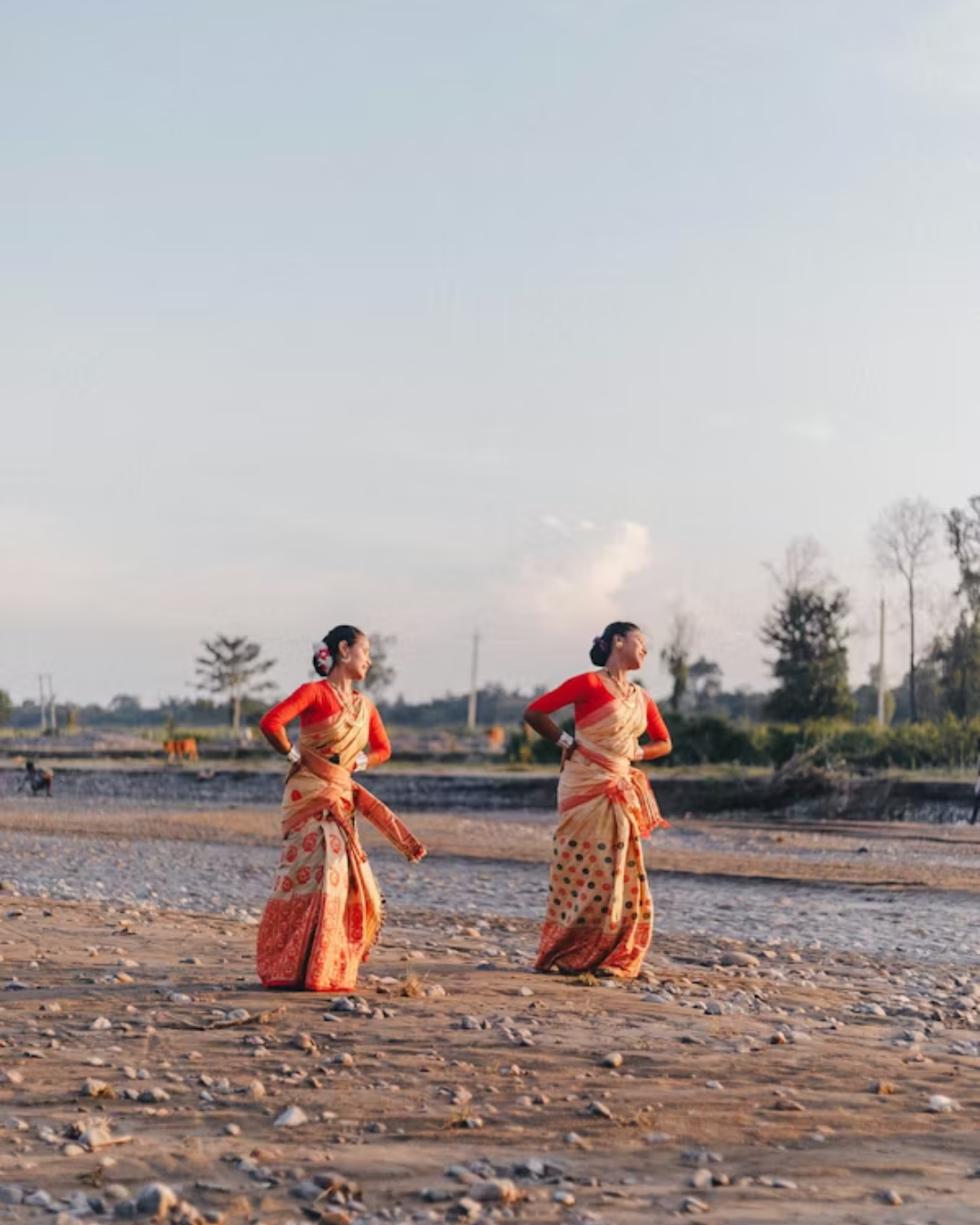
Experience the vibrant spirit of Assam through Bihu festivals, traditional dances, ancient temples, and centuries-old customs deeply rooted in Assamese identity.
From the scenic Brahmaputra River to the green tea gardens of Dibrugarh and the rolling hills of Haflong, Assam offers landscapes that feel peaceful and untouched.
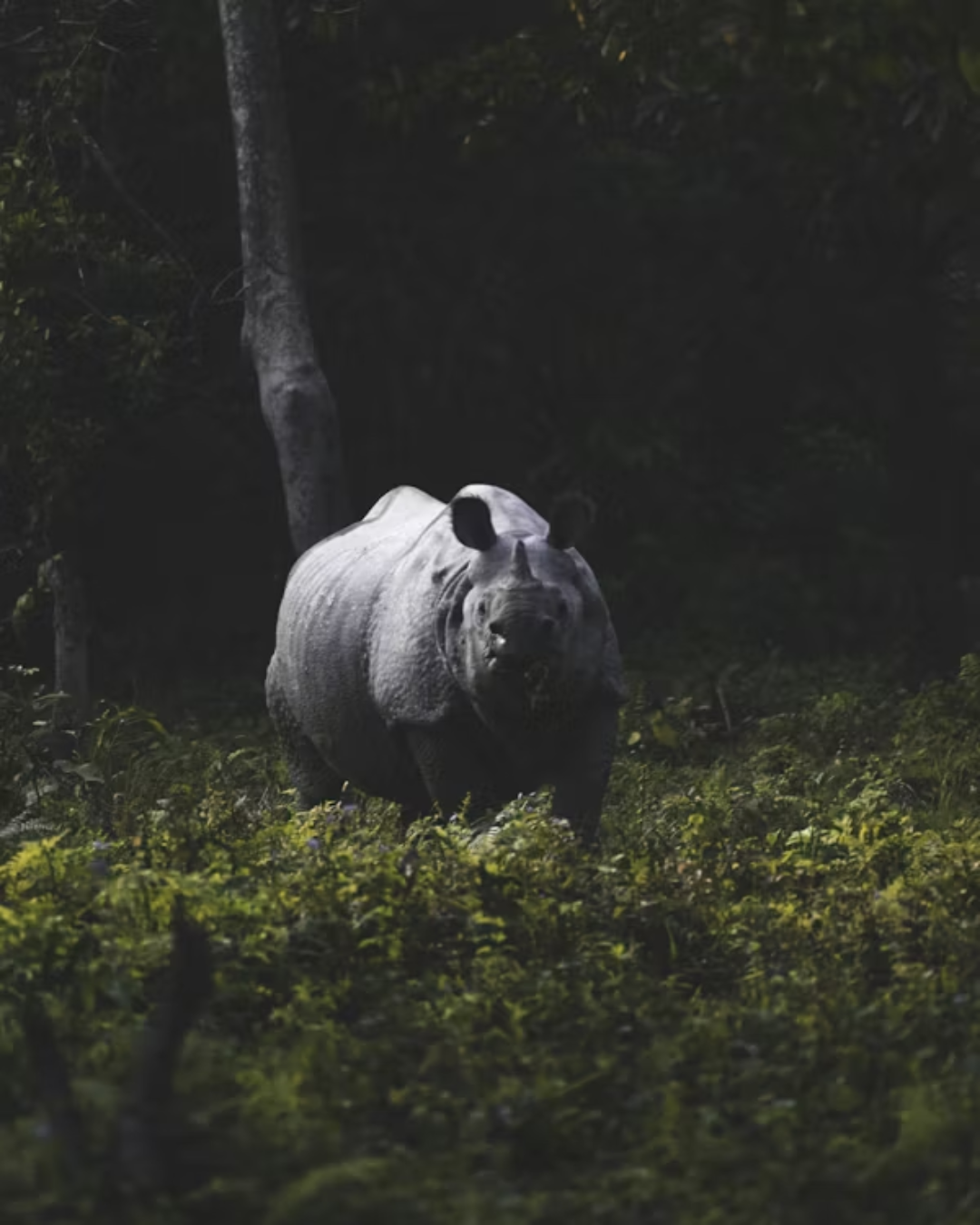
Explore world-famous parks like Kaziranga and Manas National Park, home to one-horned rhinoceroses, Bengal tigers, elephants, and rare bird species.
Walk through Assam’s iconic tea estates, learn the tea-making process, and enjoy fresh brews surrounded by endless green gardens.
Visit sacred places like the Kamakhya Temple and the peaceful Satras of Majuli Island to discover Assam’s spiritual and cultural depth.
Taste traditional Assamese dishes filled with local flavors, from tangy fish curries to bamboo shoot delicacies and festive sweets.
Enjoy river cruises, trekking trails, wildlife safaris, birdwatching, and river rafting adventures across Assam’s diverse landscapes.
Assam’s people are known for their kindness and welcoming nature, making every visitor feel connected to the culture and community.
Assam is a land of wild jungles, sacred temples, peaceful river islands, royal history, and unforgettable landscapes. From the mighty Brahmaputra to UNESCO-protected national parks, every destination in Assam carries its own culture, beauty, and story.
Famous for the one-horned rhinoceros, Kaziranga offers thrilling safaris, wetlands, elephants, rare birds, and rich wildlife experiences.
The world’s largest river island known for Satras, Assamese traditions, pottery villages, handloom culture, and peaceful riverside life.
One of India’s most important spiritual sites, attracting pilgrims, seekers, and travelers from across the country.
Explore Assam’s royal history through ancient temples, palace ruins, lakes, and remarkable Ahom architecture.
A beautiful Himalayan foothill reserve with rare wildlife, river rafting, forests, safaris, and breathtaking natural landscapes.
Assam is a land of festivals, silk weaving, tea gardens, spiritual traditions, music, dance, and warm hospitality. From the joyful spirit of Bihu to the peaceful Satras of Majuli, every cultural experience in Assam carries history, identity, and community.
Assam’s culture is deeply connected to its people, rivers, agriculture, spirituality, crafts, and tea heritage. These experiences help travelers understand the true soul of the state through music, food, art, festivals, and local traditions.
Bihu is the heart of Assamese culture and the state’s most celebrated festival. It marks different agricultural seasons and brings communities together through music, dance, traditional dress, feasts, and celebration.
Assam is famous for its beautiful silk traditions, especially Muga and Pat silk. Places like Sualkuchi showcase the artistry of Assamese weaving passed through generations.
Majuli Island is the spiritual and cultural heart of Assam’s Vaishnavite traditions. The island’s Satras preserve Assamese art, music, dance, literature, and religious teachings.
Assamese cuisine focuses on natural flavors, fresh ingredients, and comforting recipes. The food reflects the region’s rivers, agriculture, forests, and cultural diversity.
Assam’s tea gardens are part of the region’s identity and global reputation. Visiting the estates offers a peaceful look into tea cultivation and plantation culture.
Assam offers more than tea gardens and culture. From powerful rivers and rainforest safaris to hidden trekking routes, caves, wetlands, and wildlife zones, the state creates adventure experiences filled with raw nature, movement, and unforgettable landscapes.
The Brahmaputra delivers one of India’s most thrilling rafting experiences. Strong rapids, vast river stretches, forested banks, and remote landscapes turn the journey into a powerful mix of adrenaline and natural beauty.
The North Cachar Hills offer peaceful trekking routes through green valleys, tribal villages, forest paths, and quiet mountain landscapes far from crowded tourist trails.
Kaziranga is one of Assam’s most iconic adventure experiences. Jeep and elephant safaris take visitors through grasslands and wetlands filled with rhinos, elephants, deer, birds, and sometimes even tigers.
Manas combines dense forests, Himalayan foothills, rivers, and rare wildlife into one unforgettable eco-adventure. The park feels quieter, deeper, and more untouched.
The Siju Caves near the Assam-Meghalaya border offer a mysterious underground world filled with limestone formations, dark passages, bats, and natural cave chambers.
Dibru-Saikhowa is one of Assam’s finest destinations for bird lovers. Wetlands, forests, river islands, and grasslands attract hundreds of bird species throughout the year.
Assam rewards travelers with wildlife, tea gardens, festivals, river adventures, and deep cultural experiences. A little planning helps you enjoy the journey more comfortably, safely, and smoothly.
October to March is the most comfortable season for safaris, sightseeing, festivals, and tea garden stays.
Assam is well connected by air, train, and highways, making travel across the state relatively convenient.
Assam becomes incredibly green during monsoon, but heavy rain can impact movement in some areas.
Prepare properly before visiting wildlife zones, remote villages, or adventure destinations.
Assam offers everything from luxury hotels to tea estate bungalows and cultural homestays.
Most areas in Assam are permit-free, but nearby border regions may require permissions.
Assam is deeply connected to tradition, spirituality, festivals, craftsmanship, and community life. Travelers who slow down, respect local customs, and engage thoughtfully often discover a far richer side of the region beyond sightseeing.
Assamese culture places strong importance on respect, hospitality, family values, and traditional identity. Even small gestures of politeness are appreciated deeply.
Festivals in Assam are full of music, dance, rituals, food, and community spirit. Visitors are often welcomed warmly when they participate respectfully.
Responsible travel in Assam means being mindful of photography, communication, environmental impact, and the comfort of local communities.
Supporting local communities helps preserve Assam’s traditional crafts, heritage, village economies, and authentic travel experiences.
Traveling through Assam is not only about discovering tea gardens, wildlife, rivers, and festivals — it is also about understanding the traditions, protecting the environment, and supporting the local communities that make the region so unique.
Responsible tourism allows travelers to experience Assam more meaningfully, while helping preserve its cultural heritage, biodiversity, and local way of life for future generations.
Respect traditions. Protect nature. Support local communities.
Respect Assamese customs, dress modestly at religious sites, and participate sincerely in local traditions and festivals.
Protect Assam’s landscapes and wildlife by avoiding litter, conserving water, and choosing eco-friendly stays and safaris.
Support local artisans, guides, drivers, homestays, and small businesses to help sustain Assam’s communities and traditions.
Planning a trip to Assam often comes with questions about weather, permits, transport, wildlife, connectivity, food, and safety. Here are simple answers to help you travel more confidently across the state.
Whether you are visiting Assam for wildlife, tea gardens, river landscapes, cultural festivals, or local cuisine, understanding a few essentials can make your experience smoother and more meaningful.
Most parts of Assam do not require special permits for travelers. However, certain protected or border areas near Arunachal Pradesh, Nagaland, or Manipur may require additional permissions or Inner Line Permits.
The best time to visit Assam is usually between October and March, when the weather is cooler and more suitable for sightseeing, wildlife safaris, tea tourism, and festivals. Monsoon season between July and September may bring heavy rainfall and flooding.
Assam is accessible by air, train, and road. Guwahati’s Lokpriya Gopinath Bordoloi International Airport is the main gateway, while Dibrugarh Airport serves Upper Assam. Guwahati Railway Station is the largest rail hub connecting Assam with major Indian cities.
Pack light clothing for warmer months and layered clothing for winter. Comfortable shoes, insect repellent, sunscreen, medicines, rain protection during monsoon, and a reusable water bottle are recommended for most trips in Assam.
Assam is generally considered safe for tourists. As with any destination, travelers should stay informed, avoid isolated areas late at night, keep valuables secure, and follow local guidance while visiting remote or wildlife regions.
Assamese is the official language of Assam. Hindi and English are also widely understood in towns, tourist areas, hotels, restaurants, and transport hubs.
Assamese cuisine includes rice-based meals, fish curries, duck and pork dishes, fresh herbs, and regional specialties such as Masor Tenga, Khar, Pitha, and Laru. Tea lovers can also explore Assam’s famous tea culture.
Mobile connectivity is generally good in cities and larger towns. Major providers like Airtel, Jio, and BSNL operate across Assam, although remote forest areas and villages may experience weaker signals.
ATMs and digital payments are widely available in major cities such as Guwahati, Dibrugarh, and Jorhat. Smaller towns, local markets, and remote villages may still prefer cash payments.
Solo travel in Assam is possible and rewarding for travelers interested in nature, culture, and slow exploration. Planning ahead, choosing reliable stays and transport, and staying connected with local contacts can improve the overall experience.
Assam is a journey through tea gardens, river islands, wildlife landscapes, spiritual traditions, and living cultures shaped by the Brahmaputra. From the energy of Guwahati to the calm of Majuli and the wilderness of Kaziranga, every part of Assam offers something deeply authentic.
Travel slowly, meet local communities, experience regional food, respect cultural traditions, and explore the state with curiosity and care. The beauty of Assam is not only in what you see, but in the people, stories, and experiences you carry home with you.
We help travelers experience Assam with local insight, flexible routes, cultural understanding, and experiences designed to feel personal, immersive, and connected to the region.