Most Iconic
Tiger's Nest (Paro Taktsang)
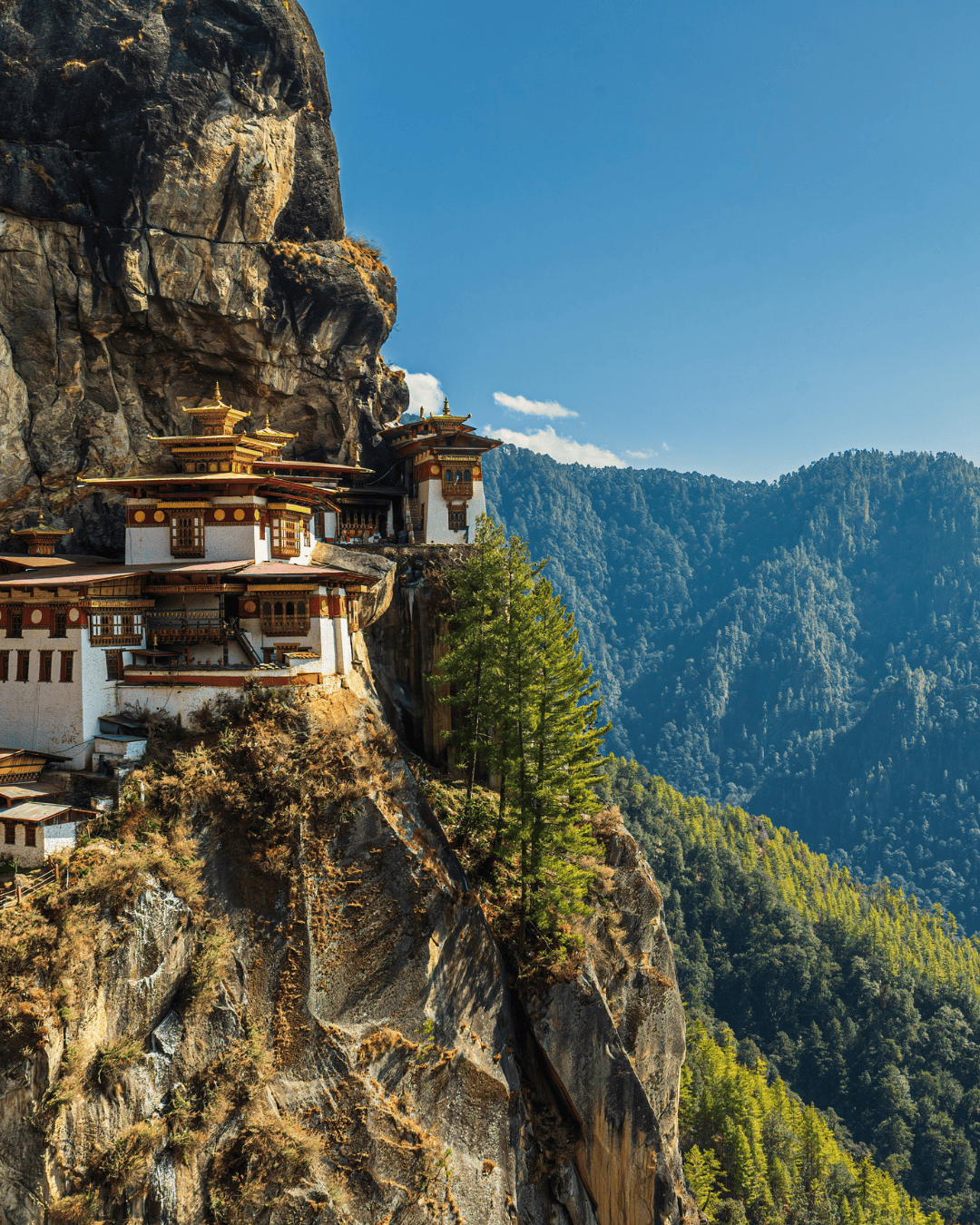
Perched on a cliff nearly 900 meters above the Paro Valley floor, this is one of the most breathtaking religious sites in the world.


Discover the Queen of the Hills with local experts. Curated experiences across Darjeeling, Sikkim, and Nepal.
Imagine a kingdom where ancient monasteries cling to dramatic cliffs, prayer flags flutter across mountain passes, and peaceful valleys stretch beneath snow-capped Himalayan peaks. Bhutan offers a journey unlike any other.
Whether you are seeking mountain adventures, cultural immersion, spiritual discovery, or peaceful escapes, Bhutan promises experiences that stay with you long after the journey ends. Here, happiness is valued alongside progress, and visitors are welcomed into a culture of harmony.

Bhutan’s landscapes range from lush valleys and dense forests to towering Himalayan peaks, offering a deeply spiritual and environmentally conscious journey.
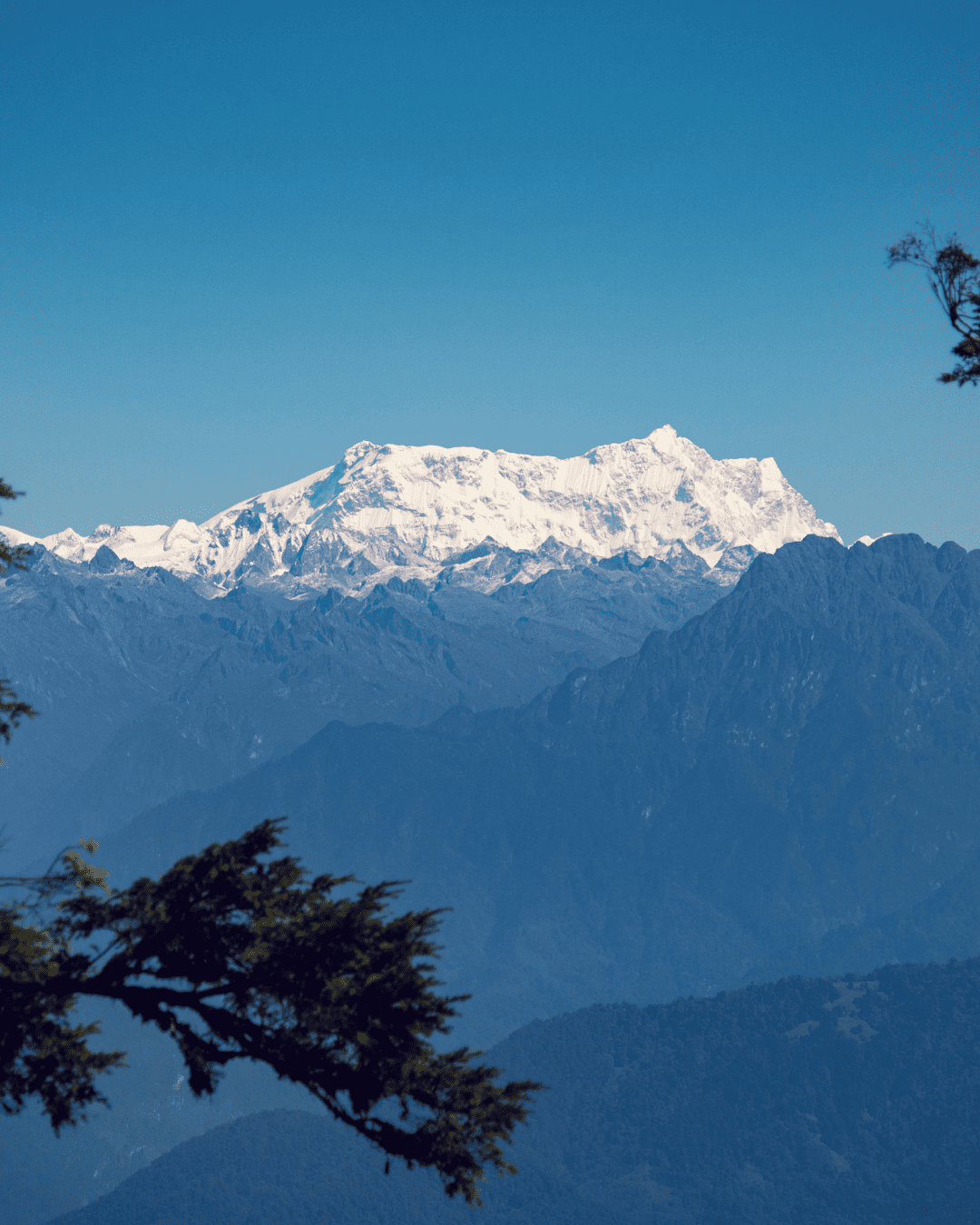
Every journey through the country reveals dramatic scenery, winding mountain roads, and breathtaking viewpoints across the Himalayas.
Hike to one of the world's most iconic monasteries, perched dramatically on a cliffside high above the Paro Valley.
Monasteries, temples, and chortens play an important role in everyday life, allowing you to experience a living spiritual culture.
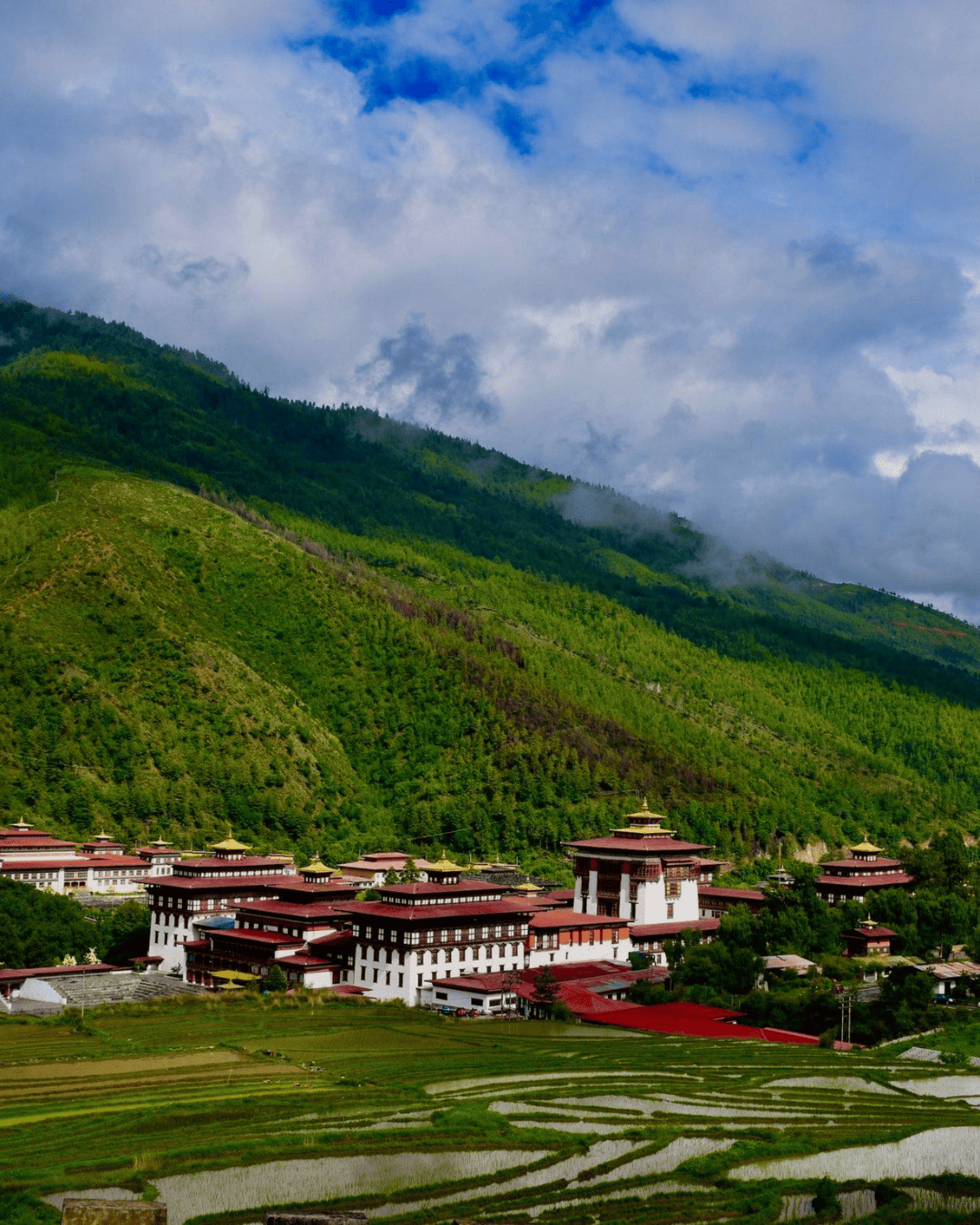
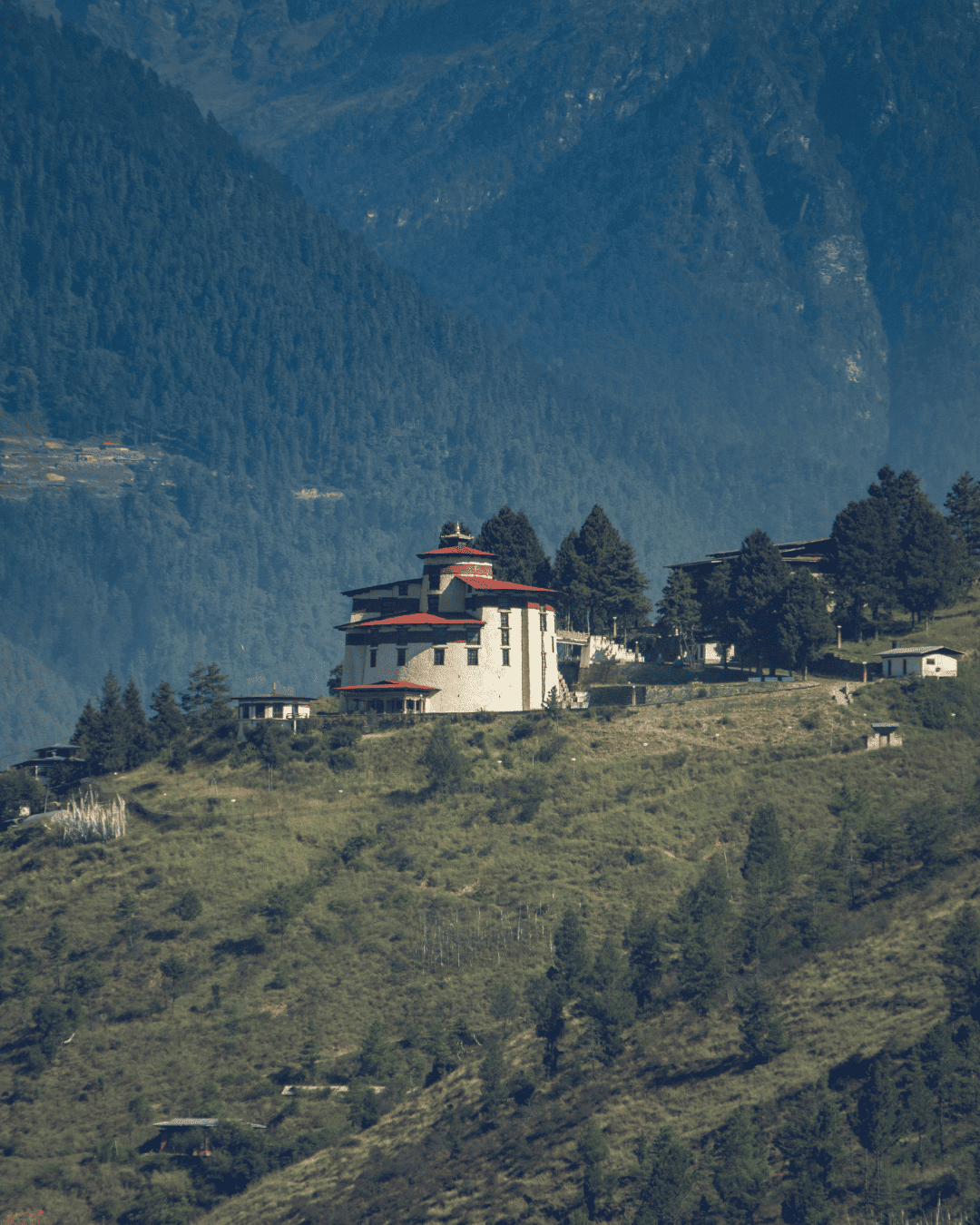
Explore fortress-monasteries such as Punakha Dzong and Rinpung Dzong that showcase remarkable traditional architecture and history.
Witness colorful Tshechu festivals featuring masked dances, traditional music, and sacred rituals that offer deep cultural insight.
Experience a slower pace of travel, allowing you to truly connect with pristine nature and exceptionally warm local hospitality.
From the cliffside monasteries of Paro and the majestic dzongs of Punakha to the peaceful valleys of Phobjikha and untouched wilderness, every corner is sacred.
Perched on a cliff nearly 900 meters above the Paro Valley floor, this is one of the most breathtaking religious sites in the world.
Located at the confluence of two rivers, it is widely regarded as Bhutan's most beautiful fortress and historical palace.
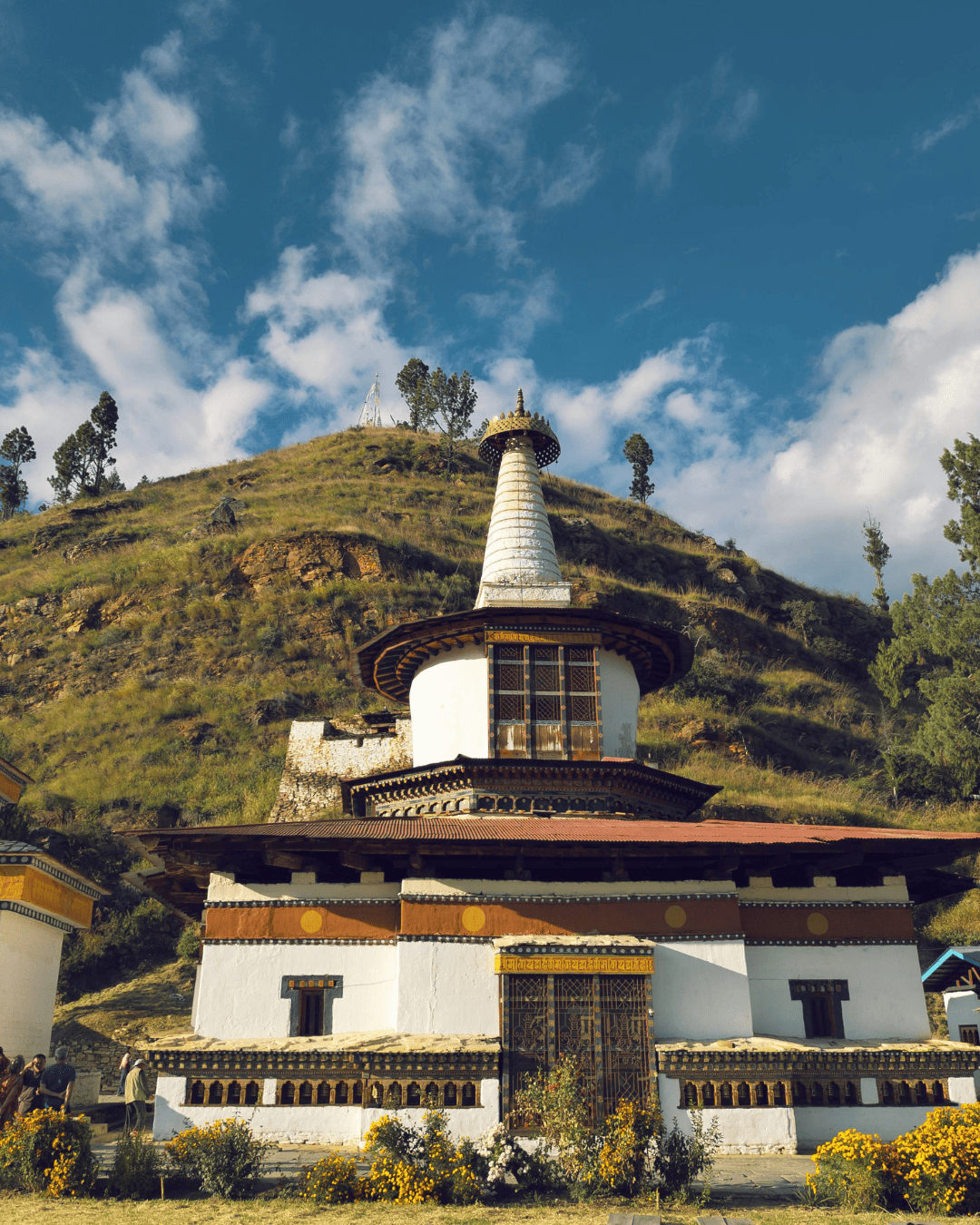
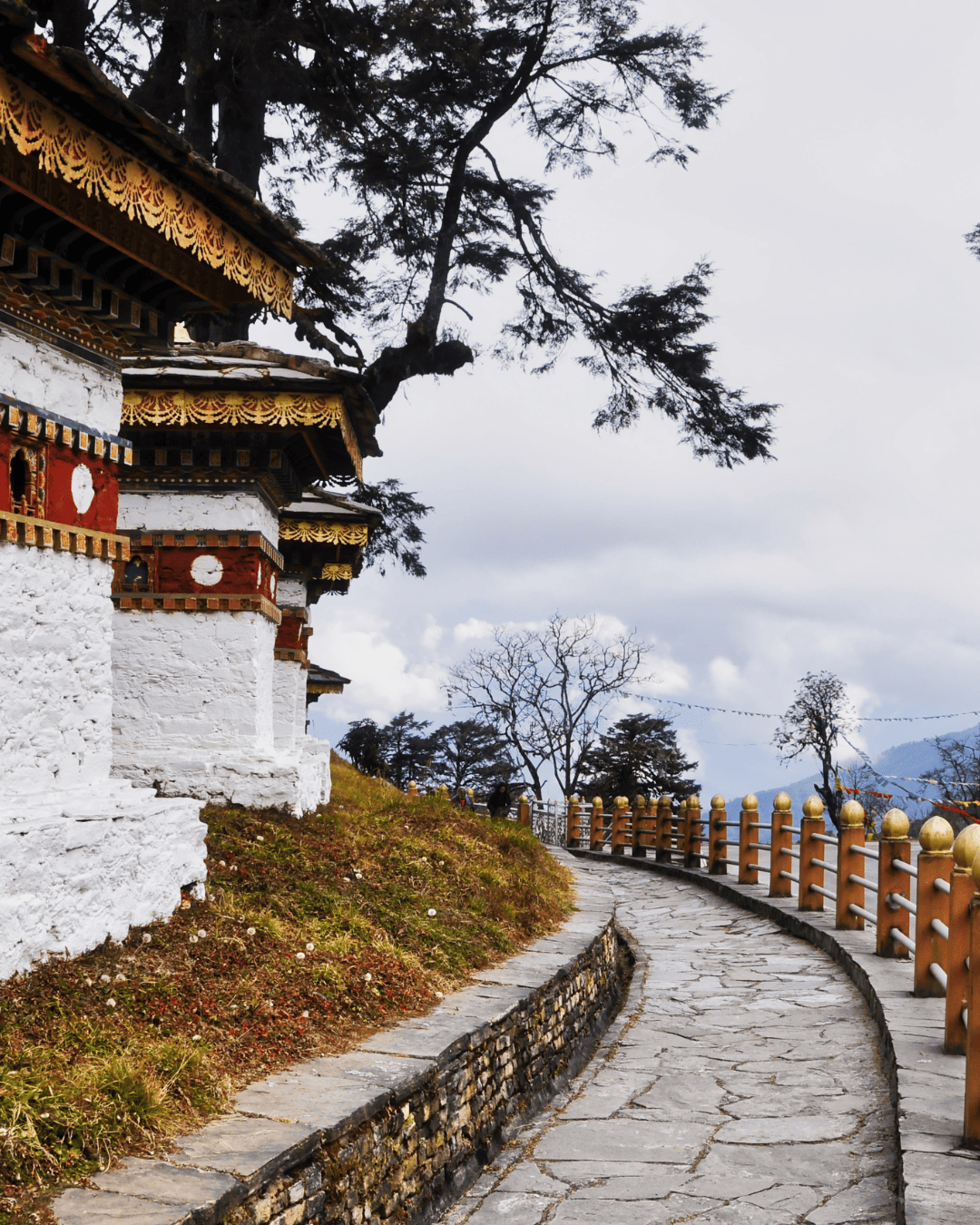
Famous for its 108 memorial chortens and panoramic Himalayan views surrounded by colorful prayer flags on clear days.
Bhutan's capital blends traditional culture with modern development, home to Buddha Dordenma and vibrant local markets.
A stunning glacial valley known for its peaceful atmosphere and serving as the winter home of endangered black-necked cranes.
Overlooking Paro Valley, this dzong is one of Bhutan's finest examples of traditional architecture and administrative heritage.
Located in a circular watchtower near Paro, offering fascinating exhibits on Bhutanese history, culture, and traditional lifestyles.
One of Bhutan's least-visited regions, offering stunning scenery, traditional villages, and an authentic glimpse into rural life.
The highest motorable pass in Bhutan, wrapped in prayer flags and offering magnificent views of Mount Jomolhari and surrounding peaks.
A massive protected reserve home to rare Himalayan wildlife, including snow leopards, takins, and lush alpine ecosystems.
Bhutan’s culture is steeped in Buddhist philosophy and Gross National Happiness. The real beauty of the Kingdom is not only in the peaks, but in the colorful festivals, sacred monasteries, traditional arts, and warm everyday moments that make the country feel deeply alive.
These experiences help travelers go beyond sightseeing. They let you meet local people, understand deeply rooted traditions, taste regional flavors, and take home stories that feel personal.
Held across Bhutan, Tshechu festivals are both spiritual events and important social gatherings, featuring spectacular masked dances performed by monks and locals to bless onlookers and teach Buddhist principles.
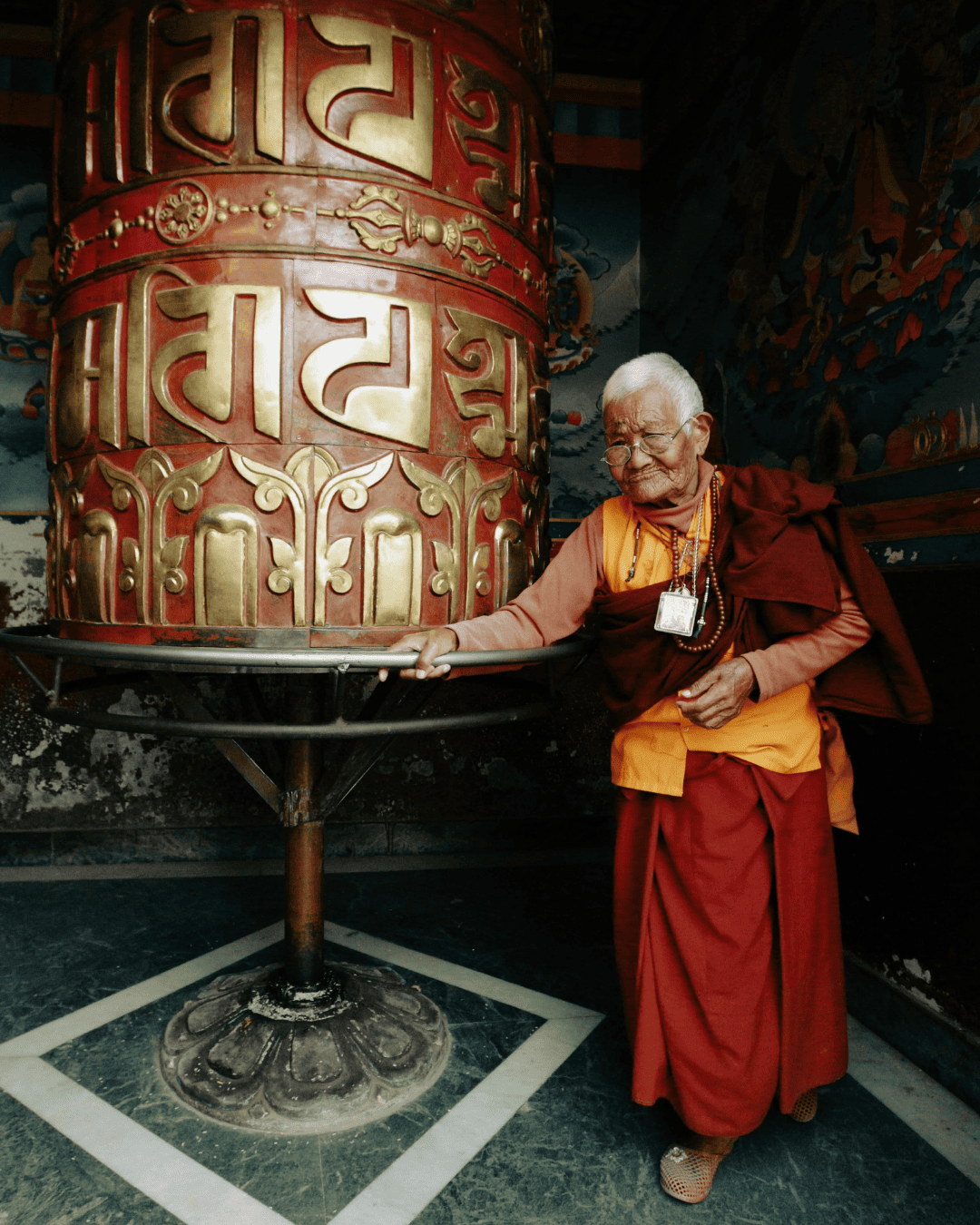
Religion plays a central role in everyday Bhutanese life. You will find monasteries, prayer flags, and chortens seamlessly integrated into the forests, mountains, and towns.
Bhutan preserves thirteen traditional arts and crafts (Zorig Chusum). From intricate Thangka painting to fine bamboo weaving, the artisanship is tied deeply to spiritual practices and daily utility.
Bhutanese food is famously spicy and deeply comforting. Chilies are considered a vegetable rather than a seasoning, often paired with local cheese and nutrient-rich red rice.
Bhutanese people proudly wear traditional clothing to work, school, and formal occasions, reflecting a strong commitment to preserving their cultural identity.
Bhutan is not only about monasteries and dzongs. For travelers who love movement, fresh air, and a little thrill, the country opens up with rugged trekking trails, rapid rivers, biking routes, and deep wildlife sanctuaries.
Bhutan offers some of the finest trekking routes in the Himalayas, ranging from the accessible Druk Path to the legendary, challenging Snowman Trek across high mountain passes.
The Pho Chhu and Mo Chhu rivers near Punakha offer thrilling rafting experiences. Float past beautiful valleys and the majestic Punakha Dzong for an unforgettable view from the water.
Mountain biking through Bhutan’s valleys, ancient forests, and high mountain passes provides an exciting, eco-friendly way to explore the country's diverse landscapes.
More than seventy percent of Bhutan remains forested. National parks provide rare opportunities to spot incredible Himalayan wildlife in truly untouched ecosystems.
For those who prefer a gentler pace, numerous valleys and forest trails allow visitors to enjoy world-class birdwatching, photography, and peaceful hikes through nature.
Archery (Dha) is Bhutan's national sport and a vibrant cultural experience. Villagers gather in traditional dress, singing and dancing to distract opponents during matches.
Bhutan is highly organized for tourism, but traveling to the Himalayas requires a little planning. Here’s what to know about seasons, routes, and local customs.
Spring (March-May) brings blooming rhododendrons. Autumn (Sept-Nov) offers clear skies and major festivals. Winter is cold but beautifully quiet.
Many valleys are above 2,000 meters. Drink plenty of water to adjust. Weather can change rapidly; always carry layered clothing.
Most international travelers require a pre-approved visa before entering Bhutan. Ensure your documents are sorted well in advance.
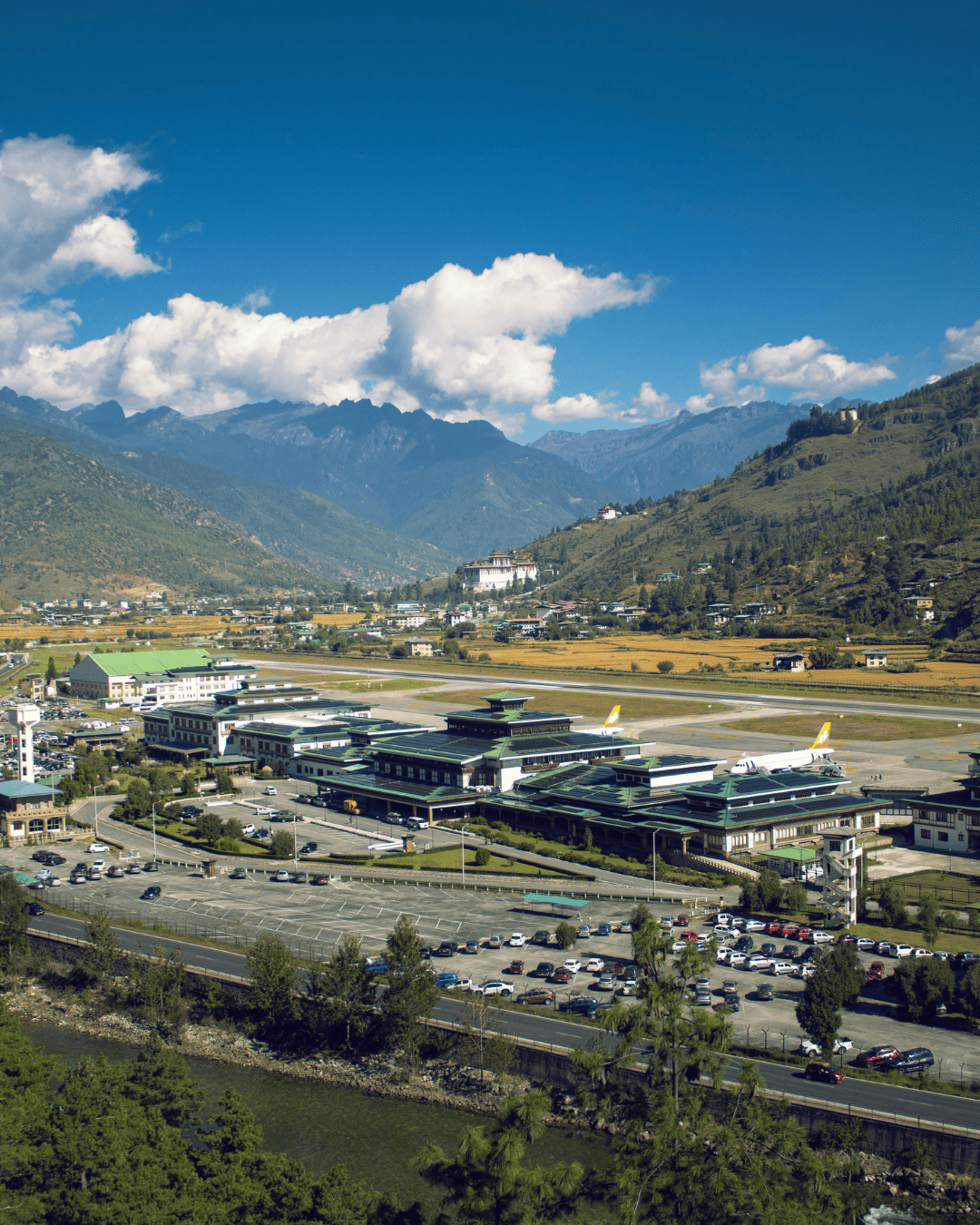
Bhutan's main international gateway. The thrilling flight weaves through high Himalayan peaks before landing in the valley.
The primary land border crossing from West Bengal, India. A 5-6 hour scenic drive upwards to Thimphu or Paro.
About 50 km from Paro Airport. It takes roughly 1.5 hours on well-maintained, winding mountain roads following the river.
Around 2.5 to 3 hours from Thimphu. The drive crosses the spectacular Dochula Pass before descending into the warmer valley.
A long 10+ hour drive from Thimphu, or a quick 35-minute domestic flight from Paro to Bathpalathang Airport.
Alternative land borders in the south and east, useful for travelers combining Bhutan with Northeast India tours.
Bhutan offers everything from luxury resorts and boutique hotels to traditional guesthouses and family-run homestays.
Carry personal medications and travel insurance. The country is exceptionally safe, but mountain roads require careful driving.
Remove hats and shoes when entering temples. Dress modestly (shoulders and knees covered) and maintain silence in sacred areas.
Greetings are polite. Always walk clockwise around chortens and prayer wheels as a fundamental sign of respect.
A meaningful trip is not only about where you go. It is also about who you meet and how your journey supports the people who keep Bhutan's environment pristine and traditions alive. Bhutan takes conservation very seriously.
We help travelers experience Bhutan more thoughtfully — with local guidance, respect for nature, honest cultural exchanges, and choices that align with the philosophy of Gross National Happiness.
Choose local. Travel gently. Leave the valleys better remembered.
Stay in local properties and family-run homestays to support local businesses.
Purchase locally made handicrafts directly from artisans and community markets.
Hire local guides for valuable cultural insights, and strictly avoid littering on nature trails.
Planning a trip to the Thunder Dragon kingdom comes with questions about visas, currency, language, and safety. Here are simple answers to help you travel with confidence.
Every traveler has a different pace. Some come for ancient monasteries, some for high-altitude treks, some for cultural festivals, and some just to experience true happiness.
Yes, most international travelers require a visa before entering Bhutan, which is typically processed by your tour operator. Indian, Bangladeshi, and Maldivian nationals can obtain a permit on arrival, though rules can update, so check current regulations before planning.
Spring (March to May) and autumn (September to November) are generally considered the best seasons due to pleasant weather, clear mountain views, and the occurrence of major Tshechu festivals.
Yes. Bhutan is considered one of the safest destinations in Asia with extremely low crime rates. The locals are deeply respectful and hospitable. Just take normal travel precautions and listen to your guide regarding mountain safety.
The Bhutanese Ngultrum (BTN) is the official currency. It is pegged to the Indian Rupee (INR), and INR notes are widely accepted across the country (though large denomination INR notes may sometimes face restrictions).
Dzongkha is the official national language. However, English is the medium of instruction in schools, so it is widely spoken and understood, especially in tourism-related services, hotels, and shops.
Yes, Bhutan is perfectly suitable for solo travelers. However, independent travel (backpacking without an itinerary) is regulated. You must book through a licensed tour operator who will arrange your guide, transportation, and accommodations in advance.
Layering is key, as temperatures vary from day to night. Bring comfortable hiking shoes for Tiger's Nest, modest clothing for visiting temples (long pants and long sleeves), a warm jacket, sunscreen, and motion sickness pills for winding roads.
Yes, most hotels and cafes in major towns like Thimphu and Paro offer free Wi-Fi. You can also easily purchase a local tourist SIM card at the airport for mobile data, which works well in most populated valleys.
Bhutan is a destination where spirituality, nature, and culture exist in remarkable harmony. From the cliffside monasteries of Paro and the majestic dzongs of Punakha to the peaceful valleys, every corner offers something meaningful.
As you travel through Bhutan, you will encounter not only breathtaking landscapes but a way of life built on respect, balance, and happiness. Let us help you experience the very best of Bhutan through carefully crafted, authentic travel experiences.
We help you discover the Land of the Thunder Dragon with thoughtful itineraries, local expertise, flexible pacing, and experiences that feel closer to the real Himalayas.