Sunrise Viewpoint
Tiger Hill
Watch Kanchenjunga glow gold at sunrise, with misty roads and mountain silence setting the mood.


Discover the Queen of the Hills with local experts. Curated experiences across Darjeeling, Sikkim, and Nepal.



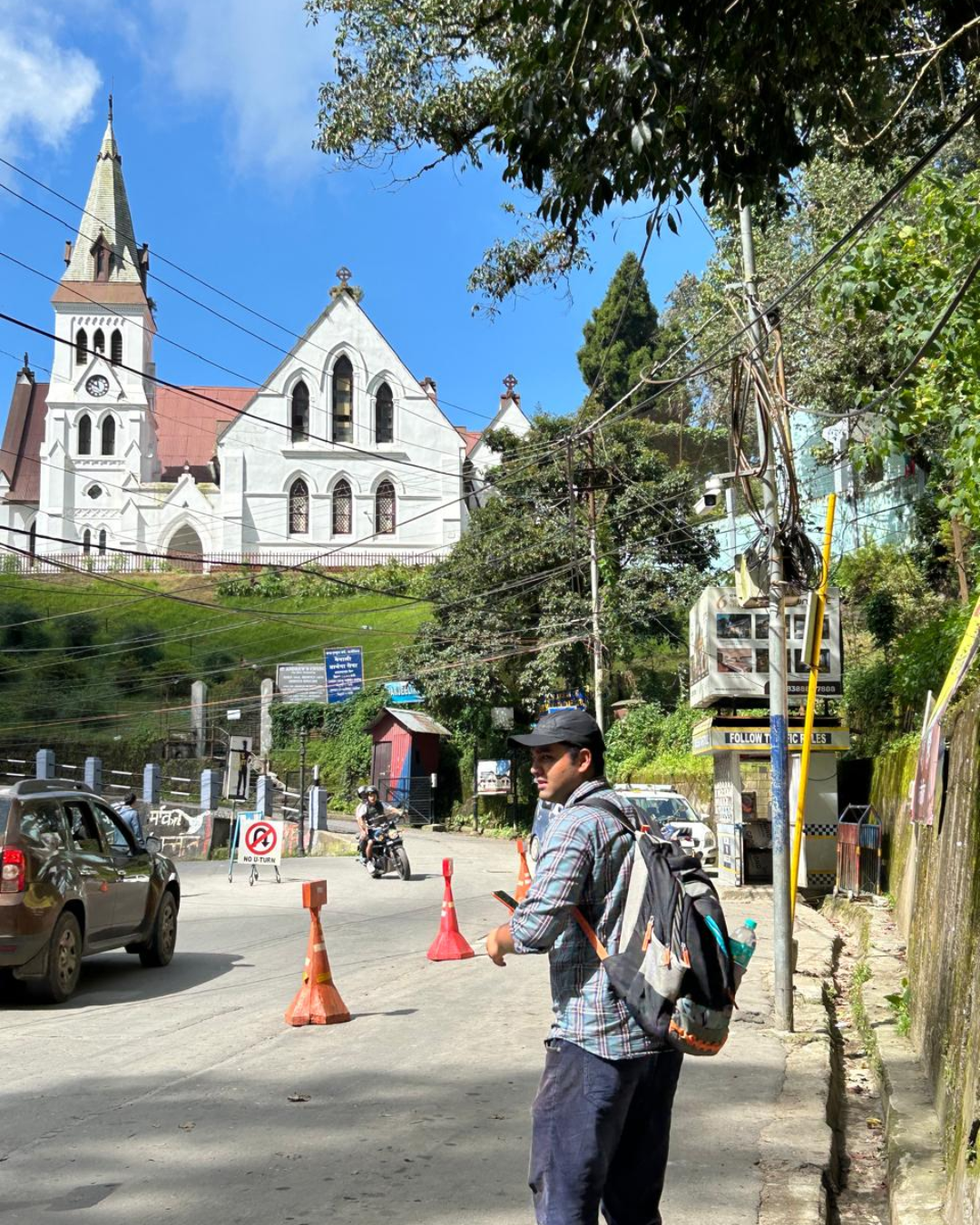
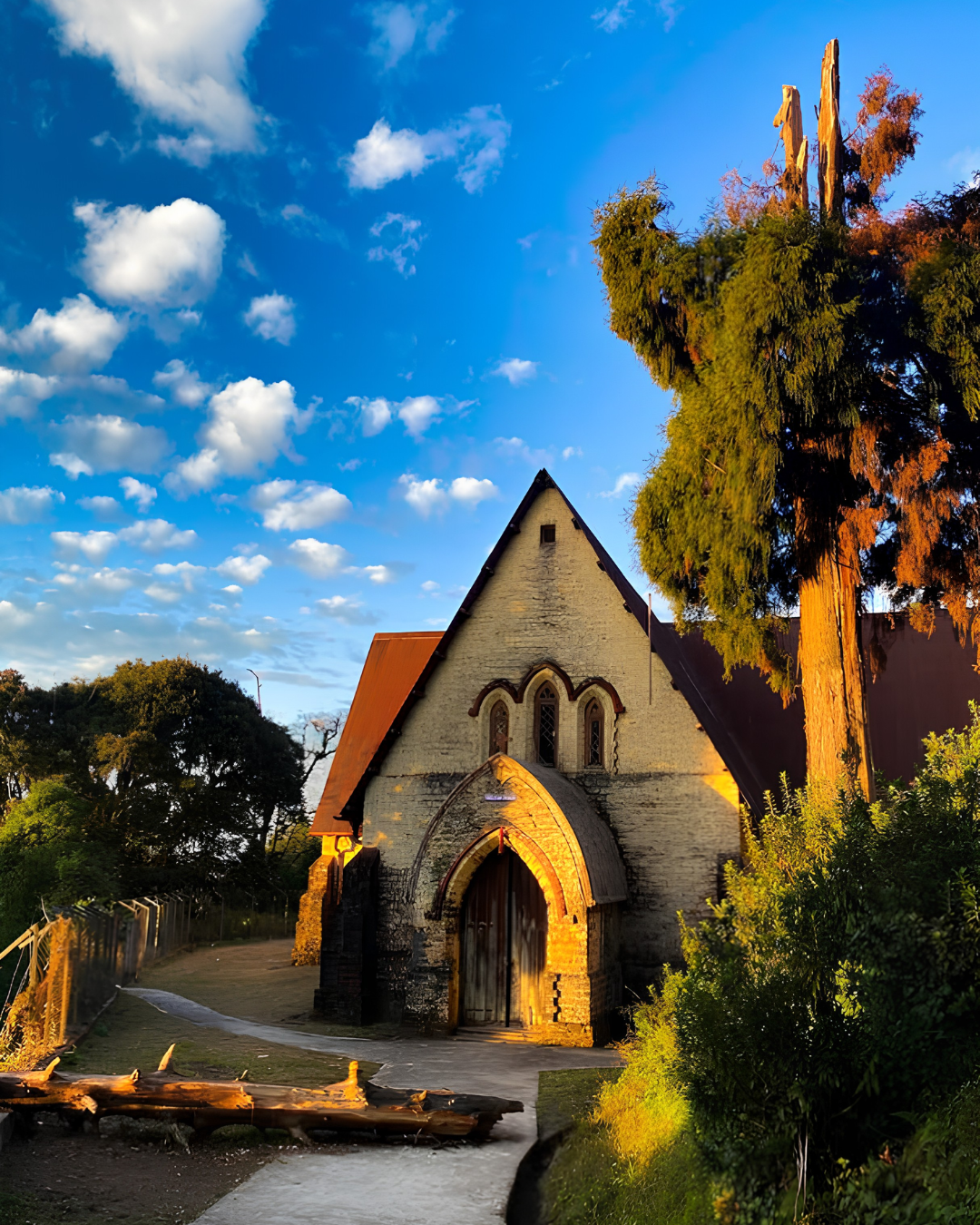
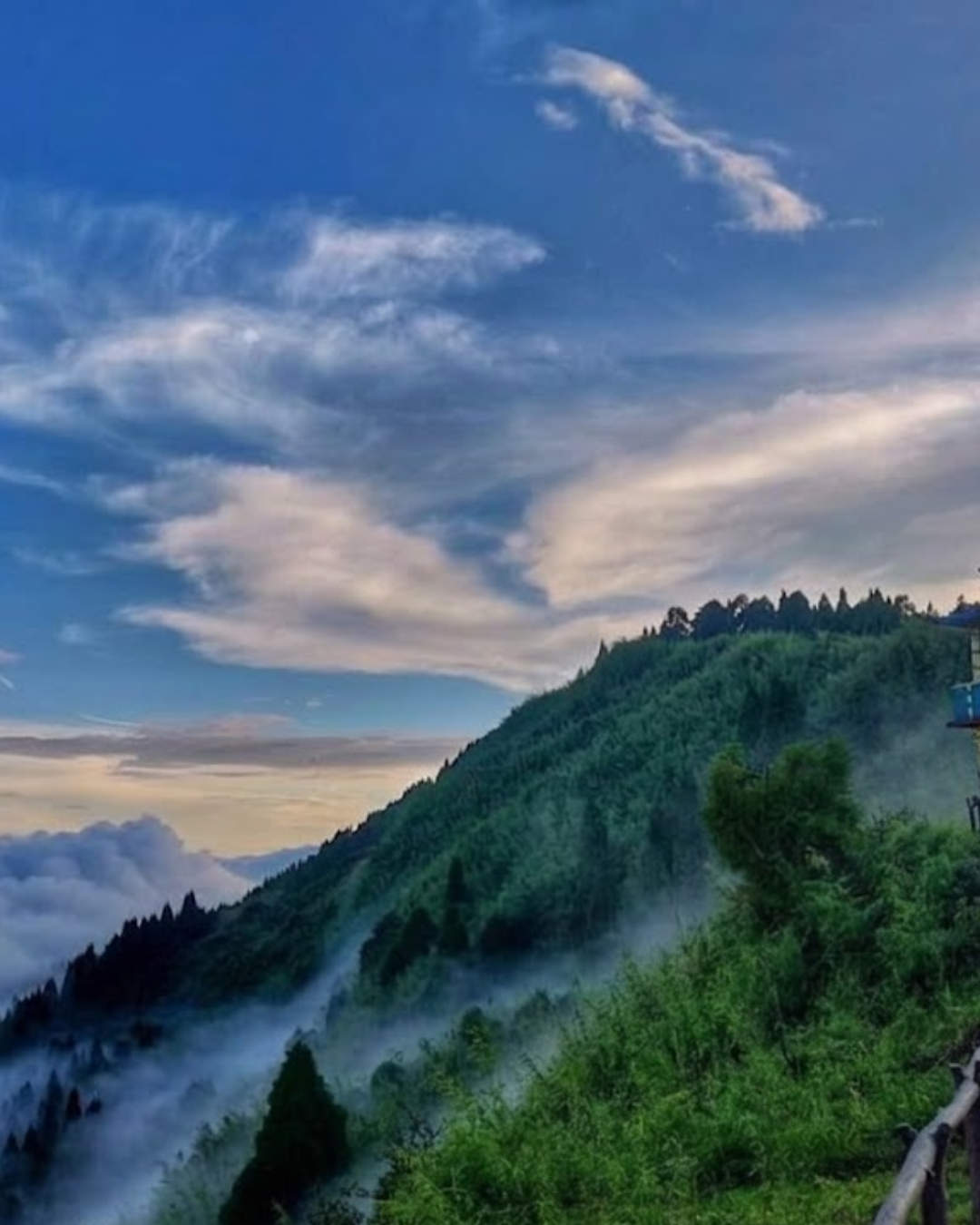
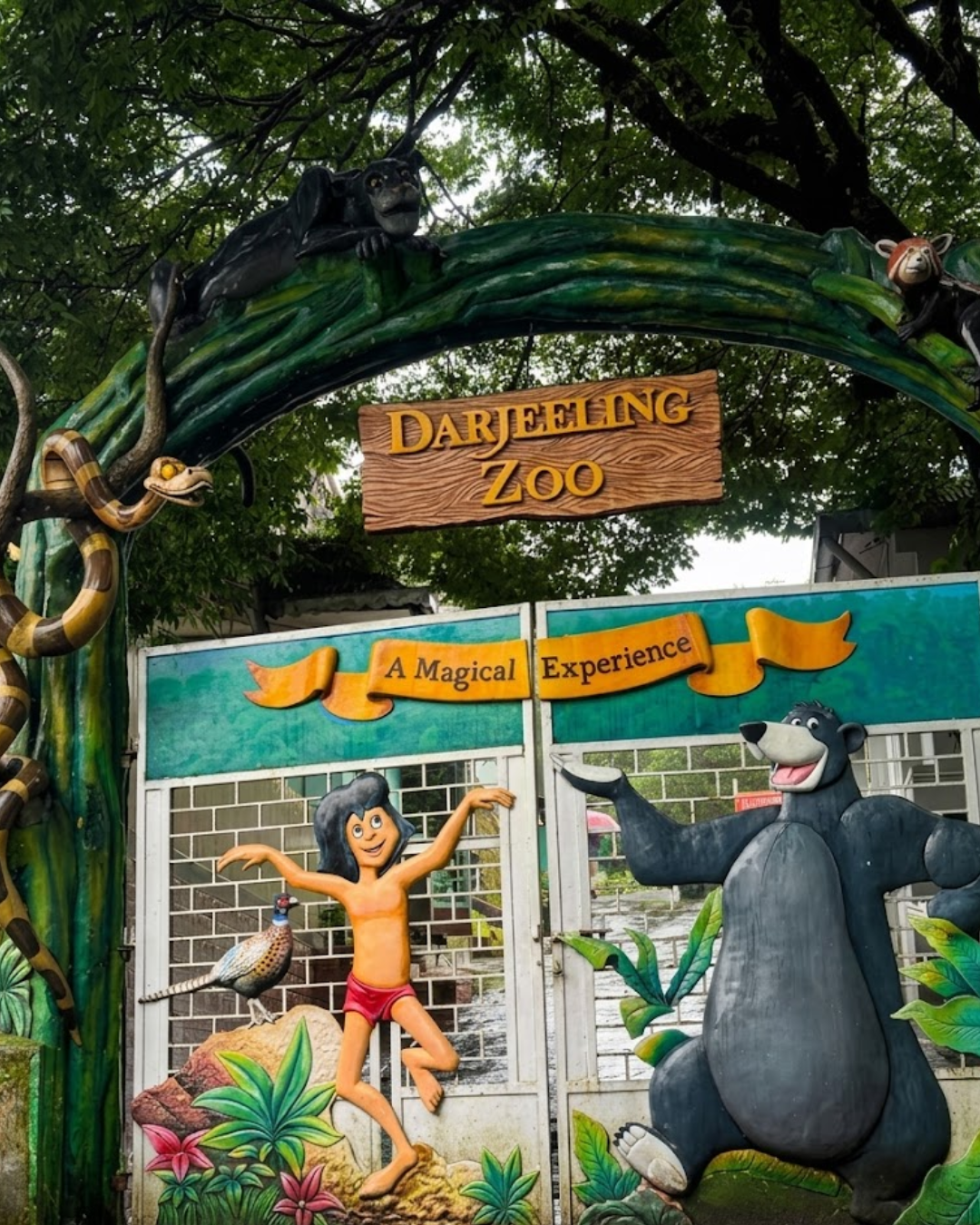
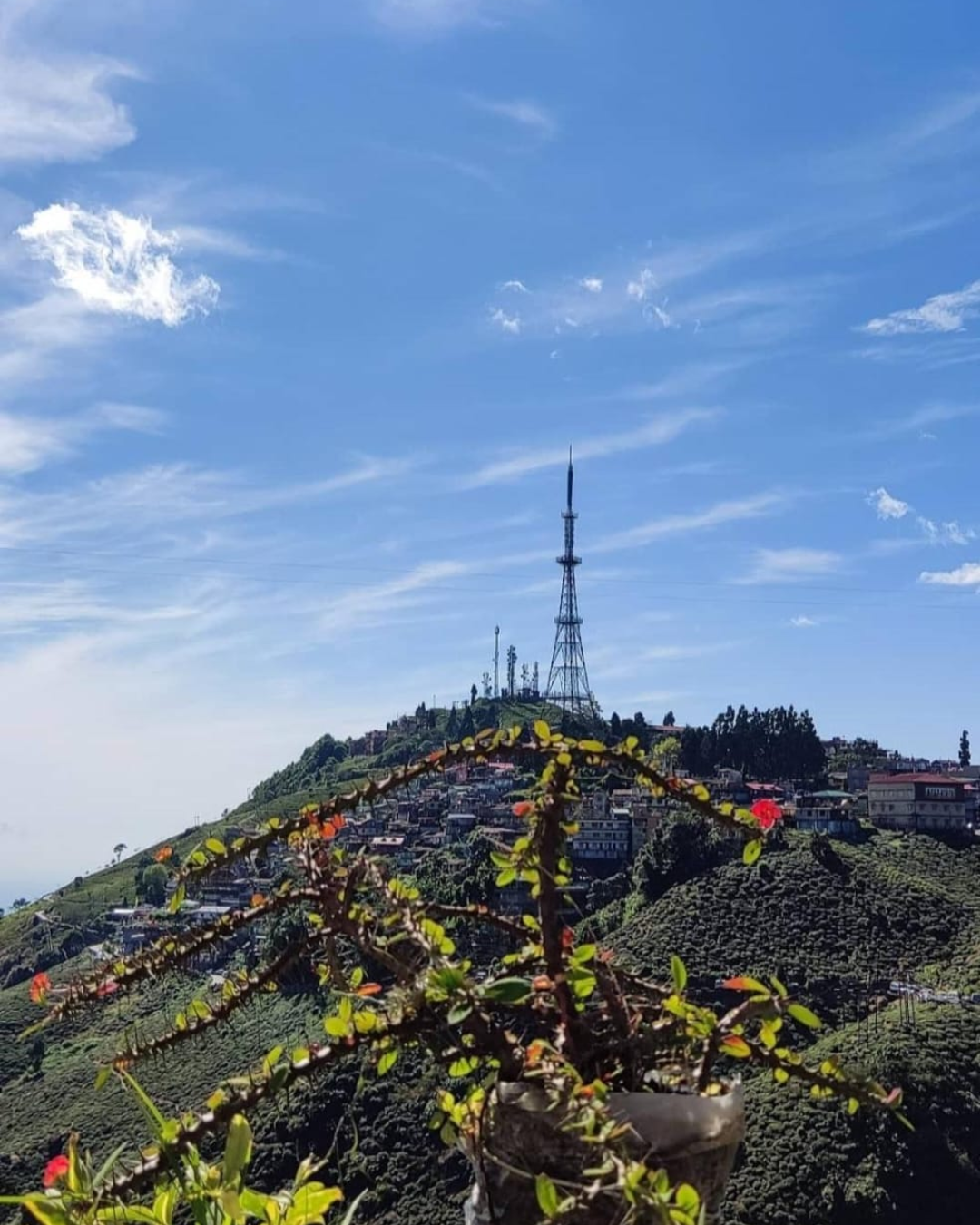
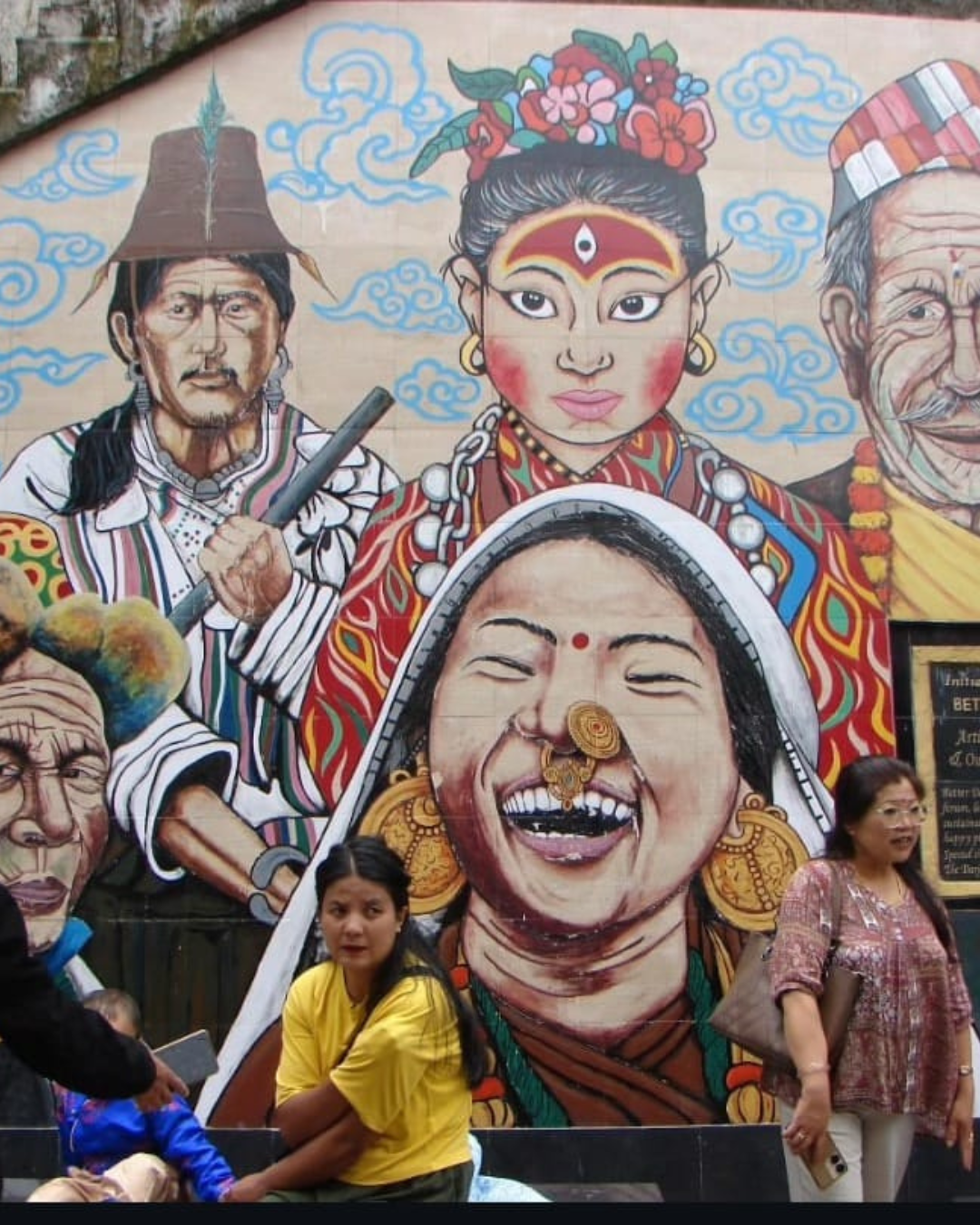
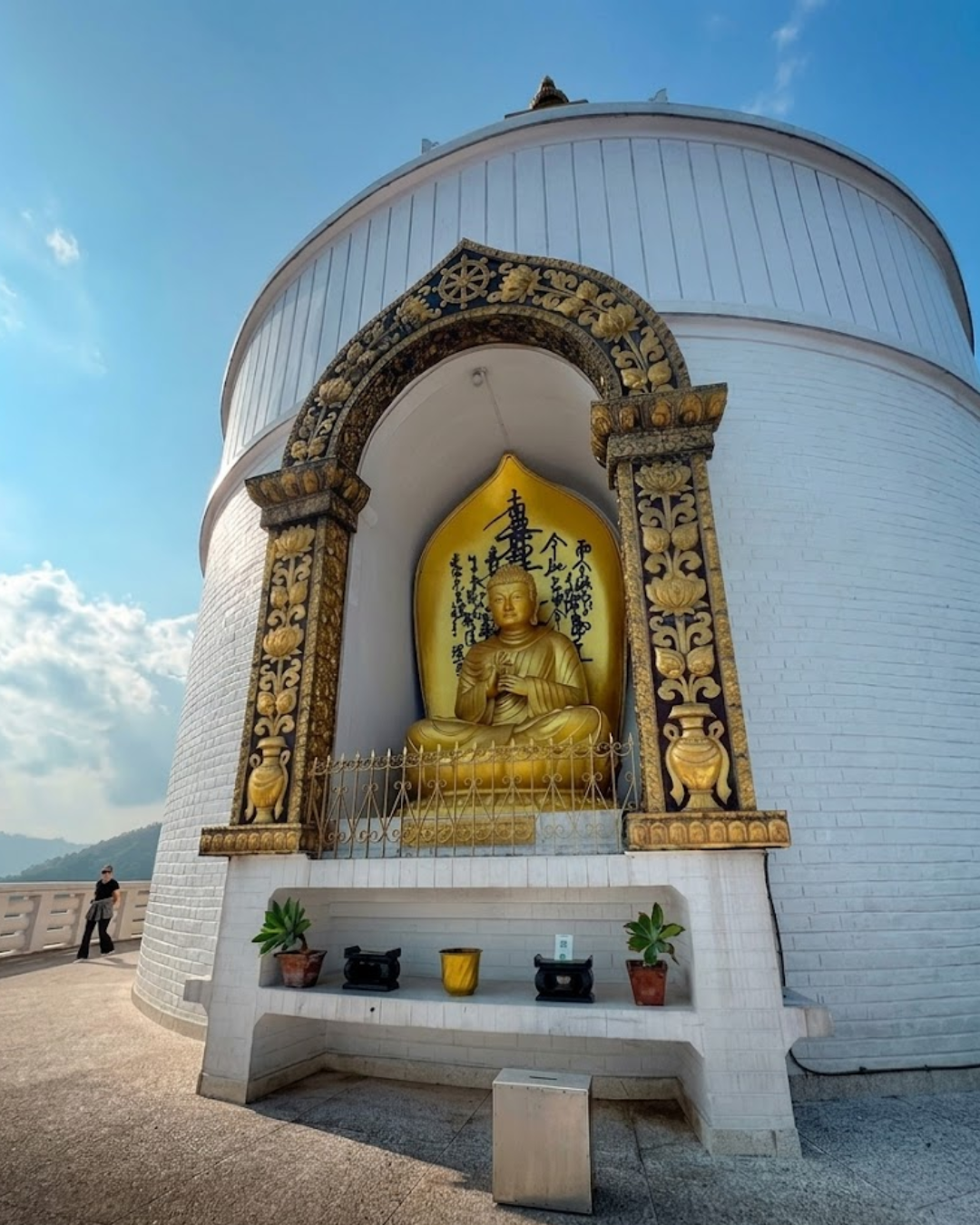
Darjeeling is more than a hill station. It is the quiet charm of misty mornings, tea gardens rolling across emerald slopes, and golden sunlight rising over the snow-capped Himalayas.
From the nostalgic ride of the toy train to peaceful walks through local markets, every corner feels warm, personal, and beautifully alive. Here, every journey begins with mountain air and ends with a memory worth keeping.
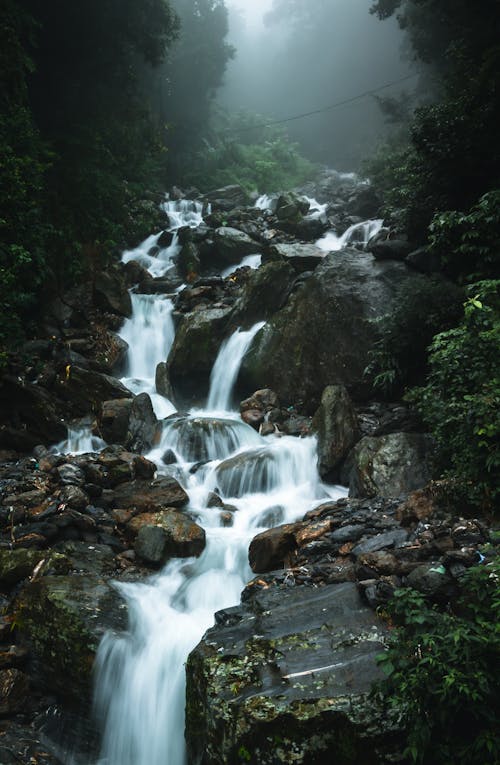
Darjeeling blends misty mornings, tea-scented hills, mountain views, old-world charm, and warm local culture into one unforgettable journey.
Wake up to Kanchenjunga glowing in shades of gold, rose, and silver from viewpoints like Tiger Hill.
Walk through rolling tea gardens and taste the region’s finest brew right where it is grown.
Enjoy a slow, nostalgic ride through curves, hills, villages, and timeless mountain scenery.
Explore heritage buildings, churches, old bungalows, and streets filled with character.
Experience Nepali, Tibetan, Lepcha, Bhutanese, and Bengali influences through food, festivals, and everyday life.
Find calm at places like Ghoom Monastery, surrounded by prayer flags, chants, and mountain silence.
From golden Himalayan sunrises and tea-scented gardens to monasteries, heritage railways, wildlife, and hilltop viewpoints, every attraction in Darjeeling has a story waiting to be felt.
Watch Kanchenjunga glow gold at sunrise, with misty roads and mountain silence setting the mood.
A slow, nostalgic Toy Train journey through curves, hill roads, villages, and old-world charm.
Meet rare Himalayan species like the red panda, snow leopard, and Himalayan wolf in a natural setting.
A peaceful monastery filled with prayer flags, murals, chanting, and the calm presence of Maitreya Buddha.
Walk through green tea slopes, understand the tea-making process, and enjoy fresh Darjeeling tea.
A beautiful railway loop with gardens, panoramic views, and the respected Gorkha War Memorial.
A calm white pagoda surrounded by gardens, prayerful quietness, and sweeping views of Darjeeling.
A place for mountain lovers, expedition stories, climbing history, and Himalayan adventure inspiration.
A sacred hilltop with temples, bells, prayer spaces, monkeys, and peaceful views over the town.
Glide above tea gardens, forests, valleys, and mountain slopes for a beautiful aerial experience.
Darjeeling’s culture is shaped by many communities — Nepali, Tibetan, Lepcha, Bengali, Bhutanese, and more. The real beauty of the hills is not only in the views, but in the festivals, monasteries, markets, homes, food, crafts, and warm everyday moments that make the town feel alive.
These experiences help travelers go beyond sightseeing. They let you meet local people, understand traditions, taste regional flavors, and take home stories that feel personal.
Festivals in Darjeeling are full of warmth and community spirit. From Holi’s colors to Tihar’s lights and Losar’s peaceful prayers, every celebration reveals a different side of local life.
This center is one of Darjeeling’s most meaningful cultural stops. It preserves Tibetan heritage through traditional craftwork, weaving, woodwork, leatherwork, and handmade products.
Markets like Chowk Bazaar and Mall Road show Darjeeling in motion. You will find tea, woollens, handmade items, spices, fresh produce, street snacks, and local conversations happening all around you.
Darjeeling’s food reflects its mixed cultural roots. Tibetan, Nepali, Bengali, and local hill influences come together in dishes that feel warm, simple, and deeply comforting.
A good homestay gives you something hotels often cannot — personal stories, home-cooked food, local advice, and a chance to understand how people actually live in the hills.
Darjeeling’s spiritual spaces are deeply woven into local life. Places like Ghoom Monastery and Mahakal Temple offer peace, history, architecture, and insight into the faith traditions of the hills.
Craft experiences help travelers connect with Darjeeling through hands-on learning. Whether it is weaving, painting, pottery, or textile work, each craft carries local memory and skill.
Darjeeling is not only about tea gardens and mountain views. For travelers who love movement, fresh air, and a little thrill, the hills open up with trekking trails, river adventures, climbing spots, biking routes, camping escapes, and hidden natural experiences.
Sandakphu is the dream trail for mountain lovers. The route takes you through rhododendron forests, peaceful villages, alpine meadows, and high ridges before revealing views of Everest, Kanchenjunga, Lhotse, and Makalu.
The Teesta River brings speed, splashes, and mountain scenery together. Its flowing rapids create a thrilling ride while the green valleys and rocky banks keep the journey beautifully scenic.
Paragliding gives you Darjeeling from a completely different angle. Tea gardens, valleys, rooftops, and rolling slopes appear below as you float through the open mountain air with a trained pilot.
Named after legendary mountaineer Tenzing Norgay, Tenzing Rock is a popular climbing point for beginners and enthusiasts. It is a fun way to test strength, balance, and confidence in a scenic hill setting.
Darjeeling’s slopes, forest paths, tea garden roads, and village routes make mountain biking an exciting way to explore. Every turn brings fresh air, changing views, and a stronger connection to the landscape.
Camping around Darjeeling is for travelers who want quiet nights, open skies, forest sounds, and mornings that begin with birdsong. It is simple, peaceful, and deeply refreshing.
Mahakal Caves bring mystery, movement, and spiritual energy into one experience. Narrow passages, natural formations, and religious significance make this adventure feel different from the usual sightseeing route.
Darjeeling is easy to love, but the hills are best enjoyed with a little planning. Here’s what to know about weather, routes, packing, safety, and local travel.
March to May and October to November are the most comfortable months for views and sightseeing.
June to September can bring heavy rain, landslides, road delays, and sudden route changes.
Hill roads are narrow and winding. Keep extra buffer time, especially during fog, rain, or peak season.
About 70 km · Around 3 hours by taxi or shared jeep.
About 70–75 km · Around 3 to 3.5 hours by road. Toy Train is slower but scenic.
About 65–70 km · Around 3 hours by taxi, shared jeep, or bus.
About 95–110 km · Around 4 to 5 hours through scenic hill roads.
About 50–55 km · Around 2.5 to 3 hours.
About 45–50 km · Around 2 to 2.5 hours through tea garden routes.
Book early during spring, autumn, festivals, and long weekends. Homestays are great for a warmer local experience.
Carry layers, a warm jacket, walking shoes, sunglasses, sunscreen, rain protection, and a refillable water bottle.
Darjeeling sits around 6,700 feet. Take the first day easy, stay hydrated, and keep basic medicines with you.
Respect monasteries and temples, dress modestly at religious places, and ask before photographing people.
A meaningful trip is not only about where you go. It is also about who you meet, where you stay, what you eat, and how your journey supports the people who keep Darjeeling’s culture, tea gardens, homestays, markets, and mountain stories alive.
We help travelers experience Darjeeling more thoughtfully — with local guidance, slower routes, honest suggestions, and experiences that feel personal rather than rushed.
Choose local. Travel gently. Leave the hills better remembered.
Stay with local families, heritage homes, and community-run properties when possible.
Shop from local markets, tea sellers, artisans, and small hill businesses.
Visit monasteries, villages, tea gardens, and viewpoints with respect and patience.
Planning a hill trip comes with small questions — weather, routes, permits, packing, safety, food, cash, and connectivity. Here are simple answers to help you travel with confidence.
Every traveler has a different pace. Some come for mountain views, some for tea gardens, some for culture, and some just to breathe slower in the hills.
The best time to visit Darjeeling is from March to May and October to November. These months usually offer pleasant weather, clearer skies, and better chances of seeing the Himalayas. June to September is monsoon season, when heavy rain may cause road delays or landslides.
The nearest airport is Bagdogra, around 70 km from Darjeeling. The nearest major railway station is New Jalpaiguri, also around 70–75 km away. From both points, travelers usually take a private taxi or shared jeep. You can also choose the Toy Train from NJP for a slower scenic journey.
Indian citizens do not need a special permit to visit Darjeeling. Foreign nationals also generally do not need a special permit for Darjeeling town. However, nearby restricted areas, parts of Sikkim, border zones, or protected regions may require separate permits.
Popular attractions include Tiger Hill, Darjeeling Himalayan Railway, Padmaja Naidu Himalayan Zoological Park, Ghoom Monastery, Happy Valley Tea Estate, Batasia Loop, Japanese Peace Pagoda, Observatory Hill, and the Darjeeling Ropeway.
Pack layers, a warm jacket, comfortable walking shoes, sunglasses, sunscreen, personal medicines, and a reusable water bottle. If you are visiting during monsoon or uncertain weather, carry a rain jacket or umbrella.
Darjeeling is generally considered safe for tourists, and locals are usually warm and helpful. Still, keep your belongings secure, avoid isolated areas late at night, and take the first day easy because the town is located at a higher altitude.
Nepali is widely spoken in Darjeeling, along with Bengali, Hindi, and English. English is commonly understood in hotels, restaurants, shops, and tourist areas.
Try momos, thukpa, churpee, local bakery items, and different varieties of Darjeeling tea. The food here reflects Nepali, Tibetan, Bengali, and hill-community influences.
Mobile coverage is generally good in Darjeeling town, with major providers operating in the area. Wi-Fi is available in many hotels and cafes, but speed may vary. Remote areas may have weaker connectivity.
ATMs are available in Darjeeling town, and many hotels, restaurants, and larger shops accept cards. Smaller vendors, local markets, and remote stops may prefer cash, so it is better to carry some.
Yes, Darjeeling is a good destination for solo travelers. Choose a safe stay, keep someone informed about your plans, avoid isolated areas late at night, and use trusted transport for transfers and sightseeing.
Darjeeling is more than a hill station. It is the warmth of a tea garden morning, the quiet of a monastery courtyard, the nostalgia of the Toy Train, and the golden glow of Kanchenjunga at sunrise.
Travel here slowly, meet the people who call the hills home, support local stays, taste local food, respect sacred spaces, and let your journey create a positive impact on the community and the mountains.
We help you discover Darjeeling with thoughtful routes, local insight, flexible pacing, and experiences that feel closer to the real hills.