Floating Islands & Wildlife
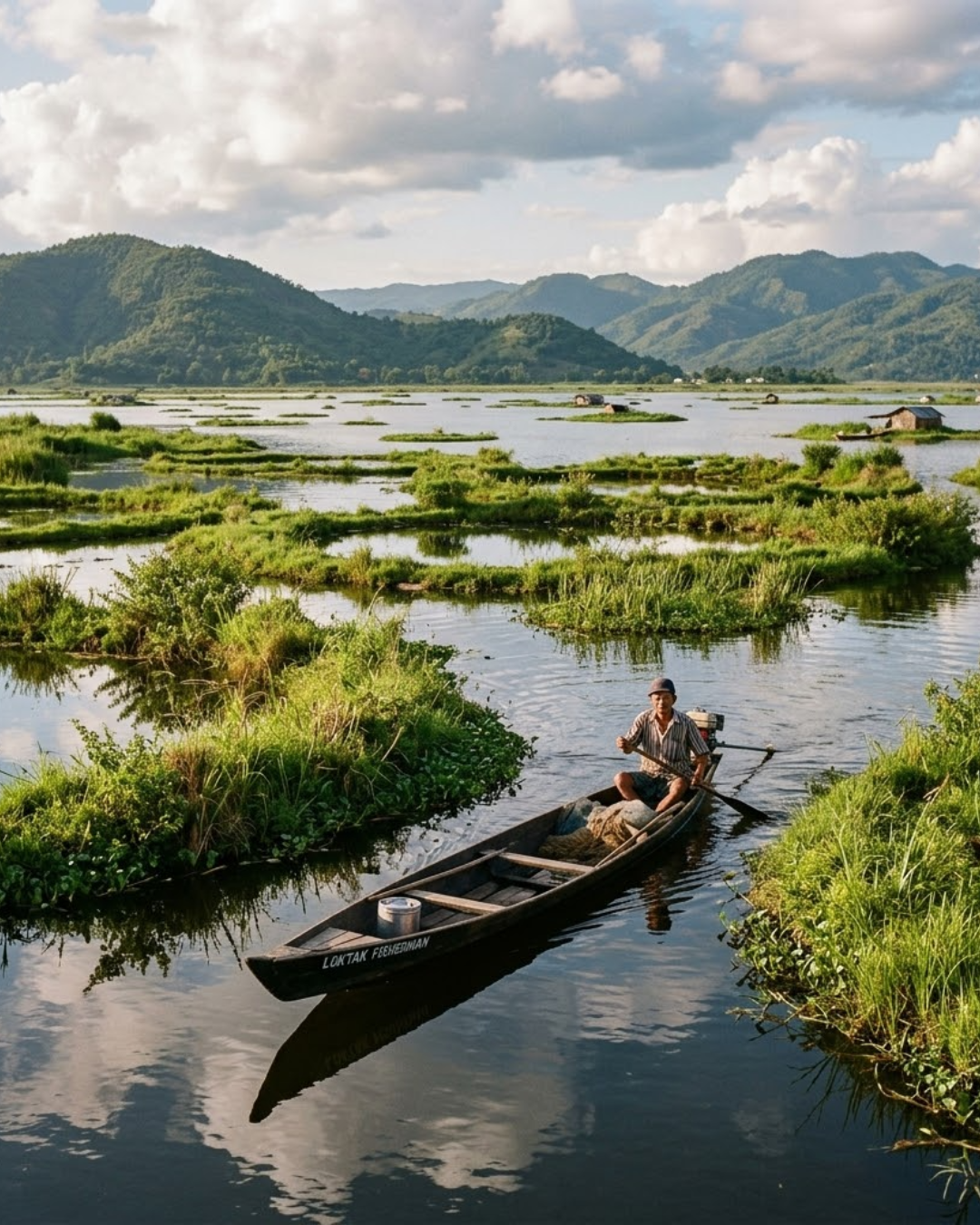
Loktak Lake
The largest freshwater lake in northeastern India, famous for its floating phumdis and Keibul Lamjao National Park—home to the endangered Sangai deer.


Discover the Queen of the Hills with local experts. Curated experiences across Darjeeling, Sikkim, and Nepal.
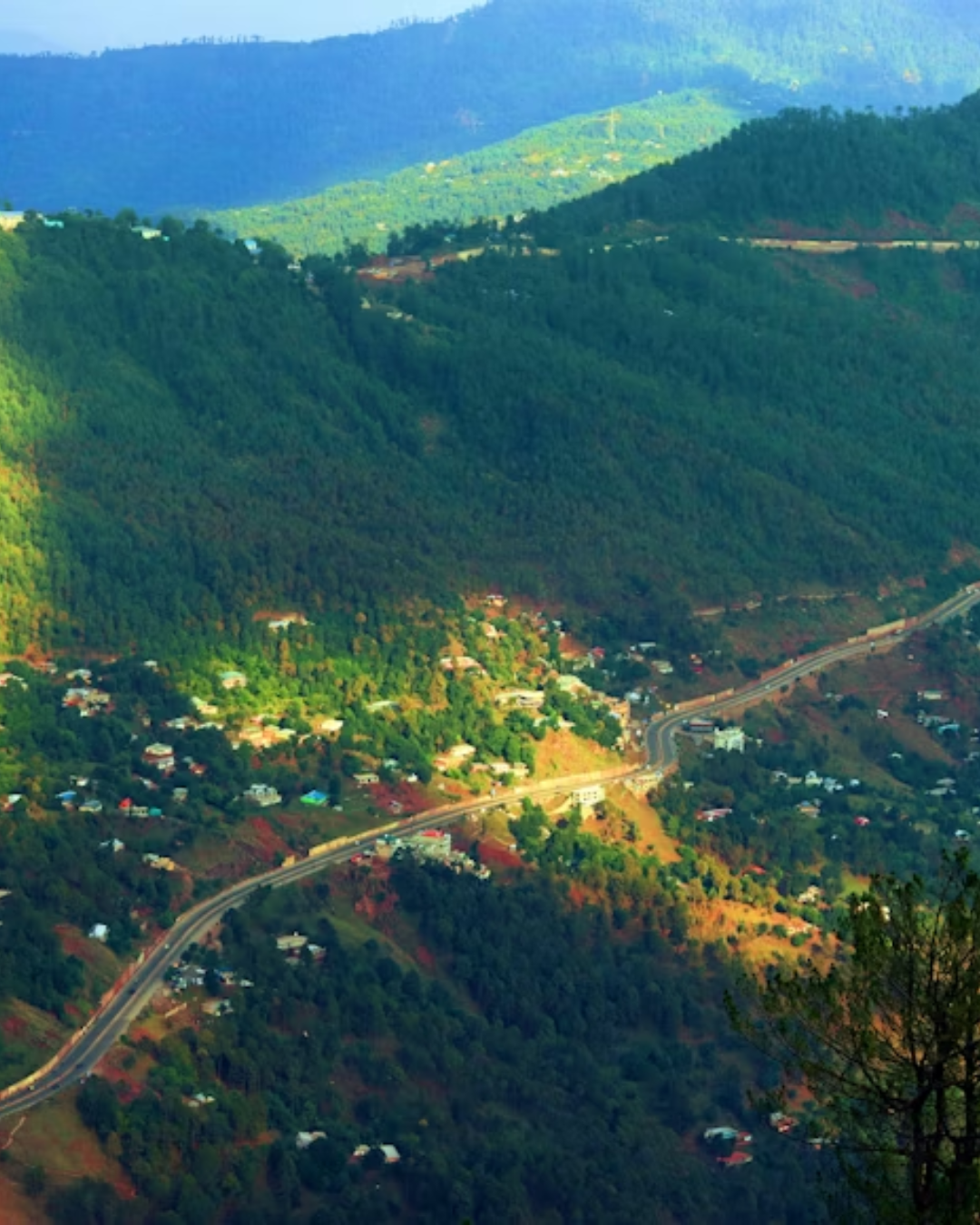
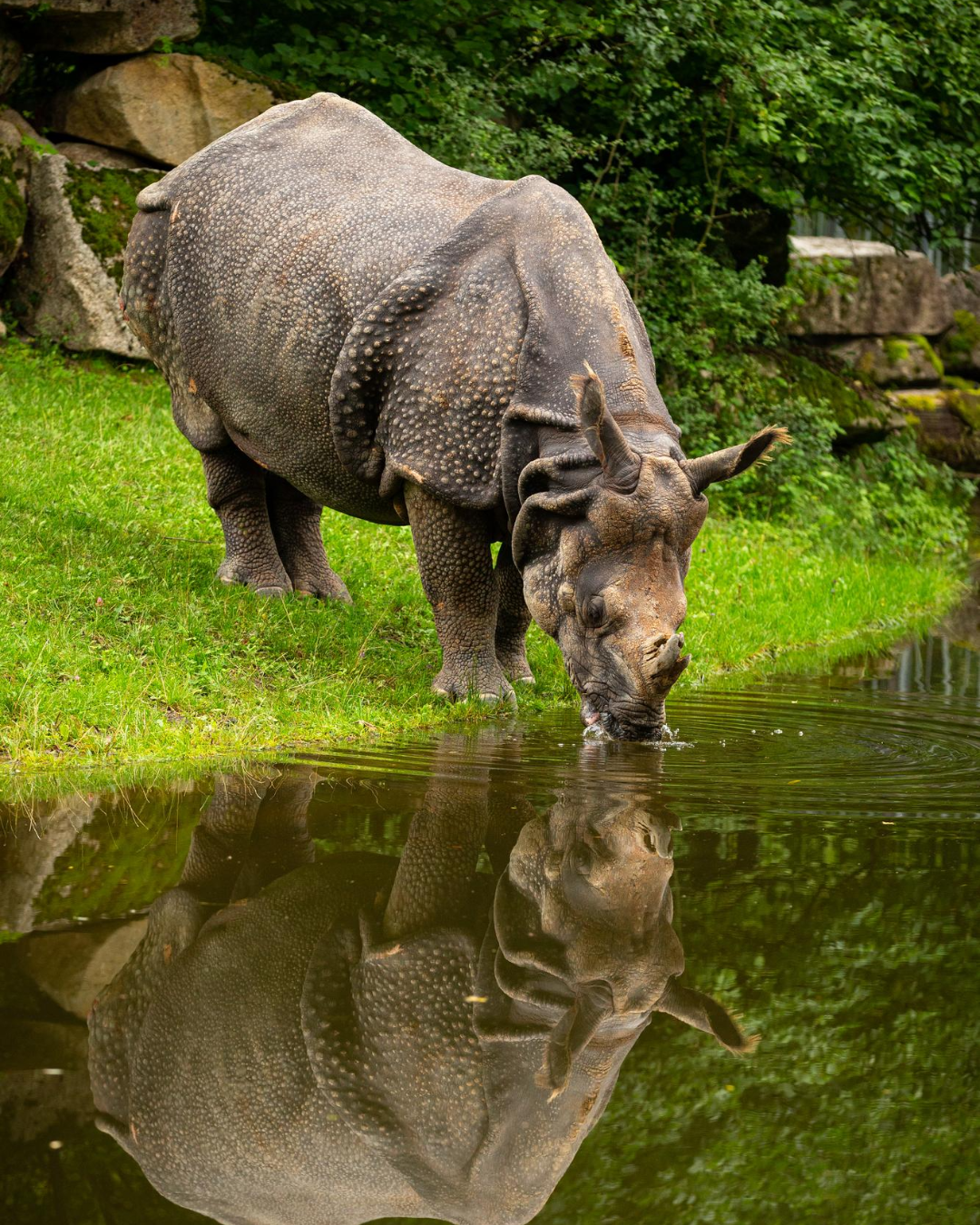
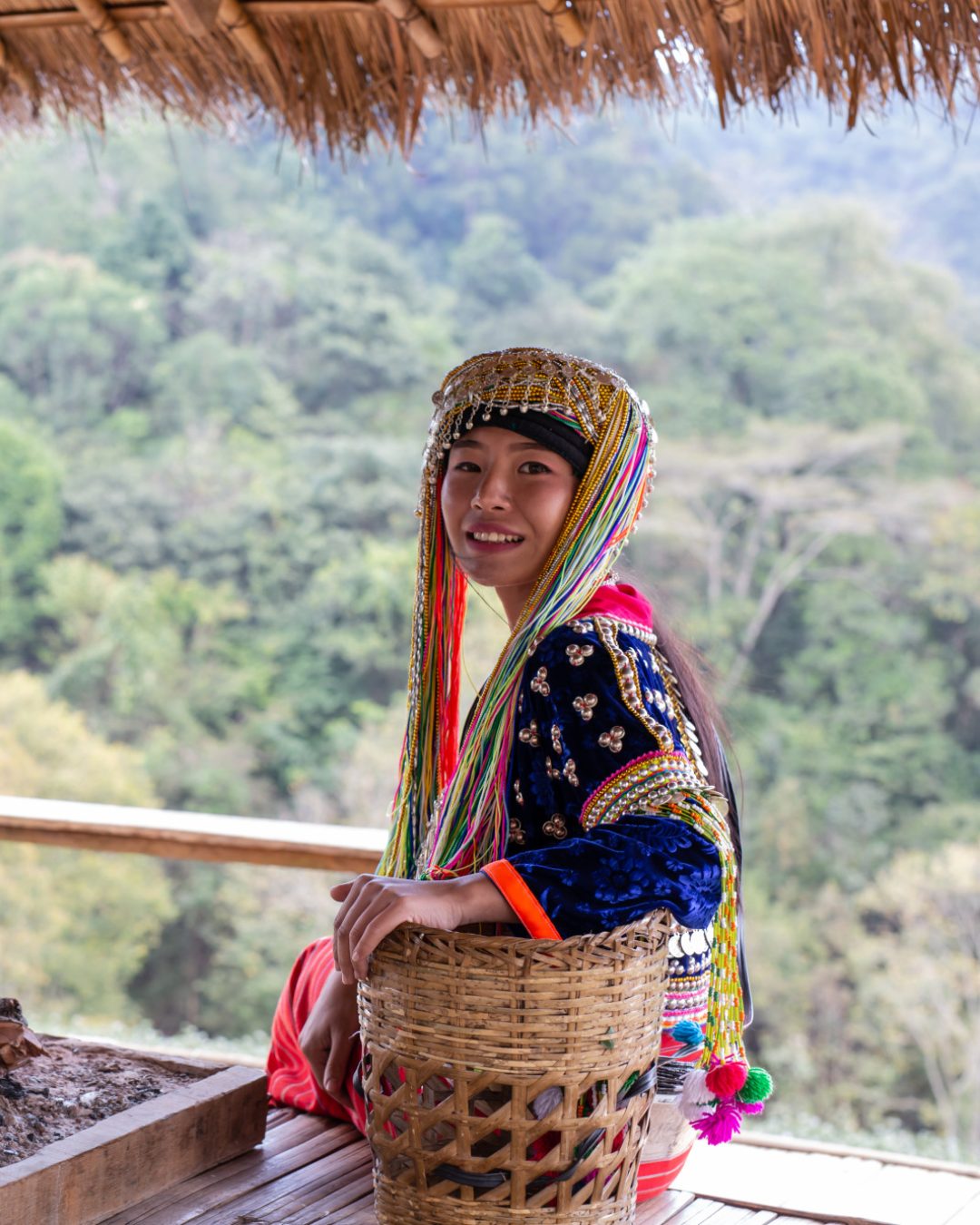
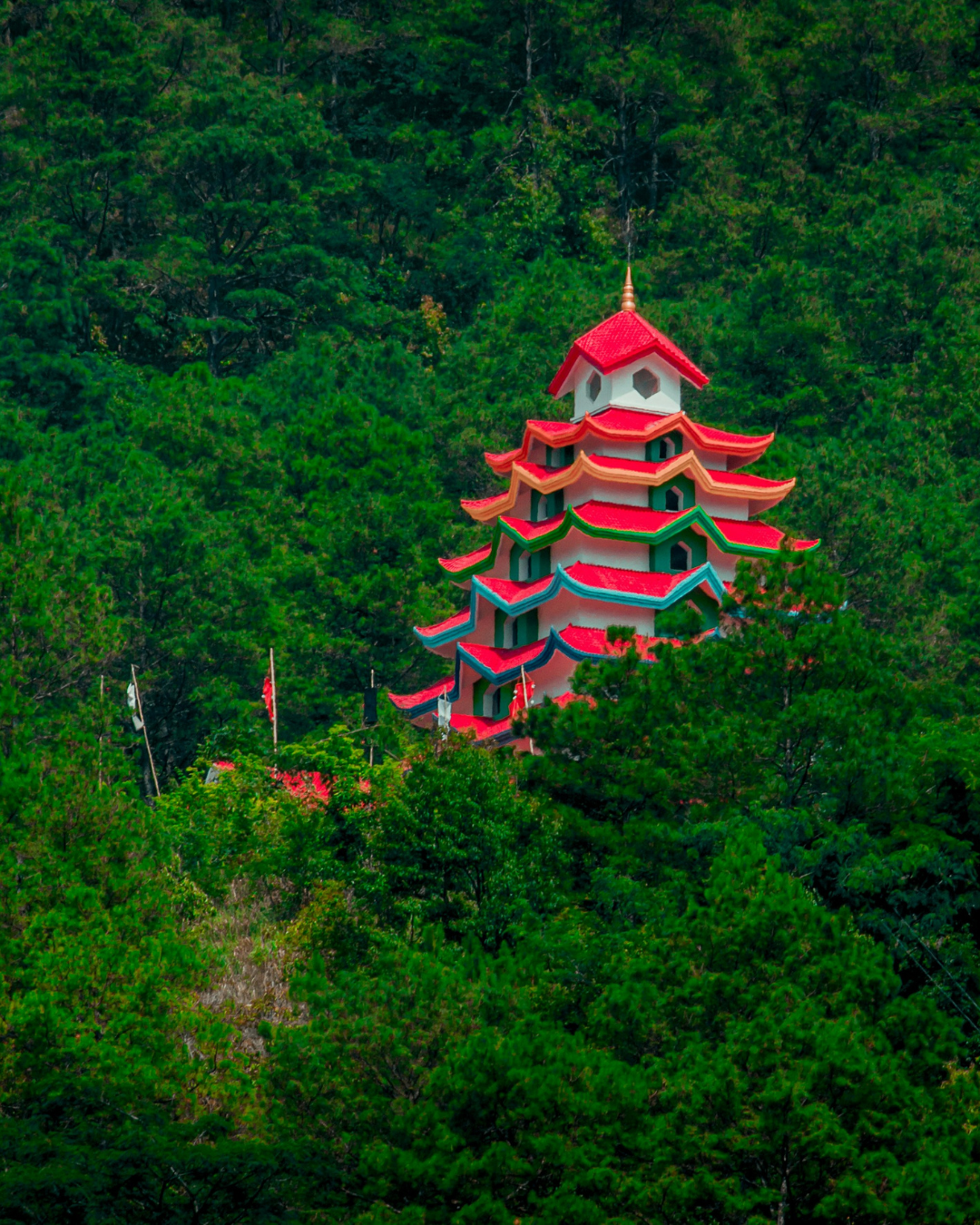
Nestled in the northeastern corner of India, Manipur is often referred to as the “Jewel of India” for its stunning landscapes, rich culture, and vibrant traditions. With its rolling hills, lush valleys, and serene lakes, Manipur offers a blend of natural beauty and cultural richness that captivates every traveler.
The state is home to a diverse population, with a unique blend of indigenous tribes and communities. From the tranquil waters of Loktak Lake to the vibrant dances of the Manipuri Ras Leela, Manipur is a destination that offers a deep and immersive experience for those looking to explore the lesser-known gems of Northeast India.

Manipur blends stunning natural beauty, ancient cultural heritage, unique wildlife, and warm hospitality into a peaceful and unforgettable destination in the heart of Northeast India.
Manipur is blessed with diverse landscapes, from the tranquil Loktak Lake, the largest freshwater lake in northeastern India, to the rolling hills of Ukhrul and the dense forests of Tamenglong.
Renowned for its classical dance forms, particularly the mesmerizing Manipuri Ras Leela, the state's traditional arts, crafts, and textiles offer a deep insight into its cultural heritage.
Experience local culture firsthand through vibrant festivals like Yaoshang (Holi), Ningol Chakouba, and Lai Haraoba, which are celebrated with much fervor and joy.
With its varied terrain, Manipur is a haven for trekking, caving, and boating. Loktak Lake is perfect for water sports, while the hills are ideal for nature walks.
Home to the endangered Sangai deer in Keibul Lamjao National Park, the only floating national park in the world, making it a fascinating destination for wildlife lovers.
Explore a rich historical heritage with significant sites like the ancient Kangla Fort and the Imphal War Cemetery, which commemorates the soldiers of World War II.
Taste unique Manipuri cuisine focused on fresh herbs and fermented foods. Traditional dishes like Eromba, Chamthong, and Singju are absolute must-tries for any visitor.
The people of Manipur are known for their warmth and hospitality. Visitors are often welcomed with open arms to experience the local way of life through homestays.
Manipur is a state rich in natural beauty, cultural heritage, and historical significance. From the otherworldly floating islands of Loktak Lake to the ancient seat of power at Kangla Fort, every destination carries its own unique story.
The largest freshwater lake in northeastern India, famous for its floating phumdis and Keibul Lamjao National Park—home to the endangered Sangai deer.
Located in the heart of Imphal, this ancient seat of Manipuri kings features well-preserved ruins, sacred temples, and the mythical Kangla Sha statues.
A vibrant 500-year-old market run entirely by women, offering an immersive cultural experience, traditional textiles, and local Manipuri delicacies.
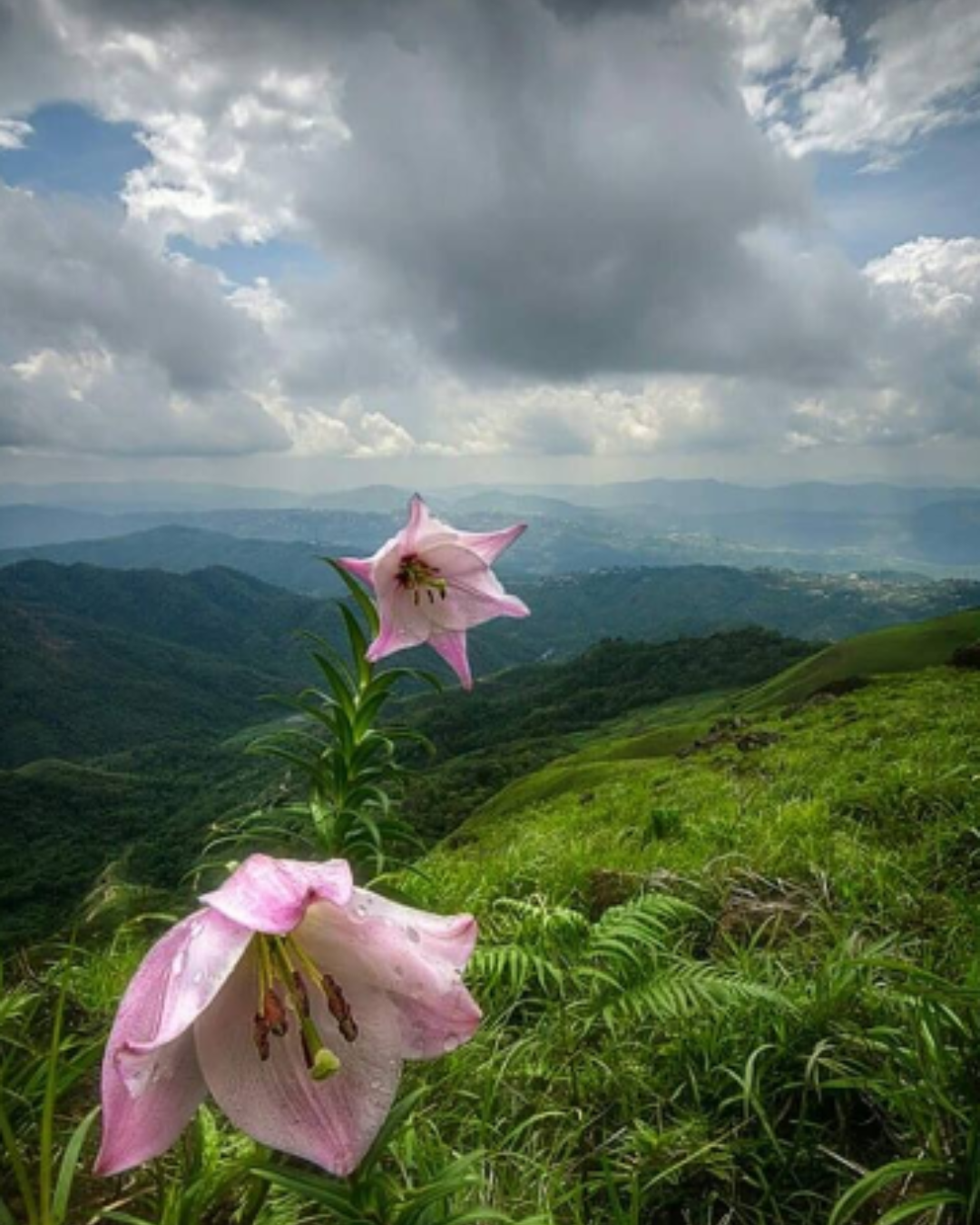
A scenic trekking destination in Ukhrul offering breathtaking valley views and the chance to spot the rare state flower blooming during the monsoon.
A peaceful and poignant historical site set against green hills, honoring the brave Manipuri soldiers of the 1891 Anglo-Manipur War.
A serene rural village dedicated to preserving traditional customs, featuring ancient pottery-making, handlooms, and the Gramshang Museum.
Traveling to Manipur offers an opportunity to explore its natural beauty, rich culture, and unique traditions. To make the most of your visit, it’s important to be well-prepared. Here are some essential travel tips to help you navigate your journey through this enchanting state.
From securing the right permits to knowing the best time to visit, these tips ensure that your trip to the "Jewel of India" is seamless, comfortable, and memorable.
Winter (October to March): The weather is cool and pleasant, perfect for sightseeing and trekking. It’s also the season for major festivals like Ningol Chakouba and the Sangai Festival.
Monsoon (June to September): Manipur turns into a lush green paradise, but heavy rainfall can cause landslides and road closures. Carry proper rain gear if visiting now.
By Air: Bir Tikendrajit International Airport in Imphal connects to major cities like Delhi, Kolkata, and Guwahati.
By Train & Road: The nearest railway station is Jiribam. National Highway 37 connects Imphal to Assam, offering a very scenic hill drive. State buses and taxis are widely available.
Indian Citizens: An Inner Line Permit (ILP) is required to enter Manipur. You can obtain this online or from designated offices in Guwahati, Shillong, and Imphal.
Foreign Nationals: Foreigners do not need an ILP but must register with the local Foreigner’s Registration Office (FRO) within 24 hours of their arrival in the state.
From luxury hotels in the capital to budget guesthouses in smaller towns, Manipur has options for everyone.
Pro Tip: For an immersive experience, consider a village homestay. Book an authentic experience with Darjeeling Trips—we ensure your stay is comfortable, culturally immersive, and tailored to your interests. Book well in advance during festival seasons.
Ensure your travel insurance covers activities like trekking or caving. Consult your doctor regarding routine vaccines (like typhoid or hepatitis A) before traveling.
While Imphal has excellent medical facilities, remote areas may have limited access. Always carry a basic first-aid kit and your necessary prescription medications, especially during the monsoon season.
Manipur is a state where traditions and customs are deeply woven into the fabric of everyday life. Understanding and respecting these practices is essential for travelers who wish to engage meaningfully with the local culture and tribal heritage.
The Meitei people, who form the majority, and various indigenous tribes like the Tangkhul and Zeliangrong, have distinct customs. Respecting their daily rituals and elders is highly valued.
Yaoshang is the Manipuri version of Holi. It is a massive state-wide celebration filled with traditional dances, sports, religious rituals, and vibrant colors.
A heartwarming, unique festival celebrating the bond between married women and their parental families. Married women return home for a grand feast to strengthen family ties.
While Manipur’s festivals and landscapes are photogenic, privacy and spiritual respect come first. Many temples, rivers, and forests hold deep sacred value for the locals.
Engaging with local artisans, guides, and homestays is the best way to experience Manipur while directly contributing to the preservation of its culture and local economy.
Manipur’s cultural and natural heritage is unique and diverse. To preserve its beauty and traditions, it’s important to practice cultural sensitivity and engage respectfully while exploring the state.
Take the time to learn about the specific practices of the diverse ethnic communities to avoid unintentional offenses and interact respectfully.
Manipur's natural beauty is fragile. Avoid littering, stay on designated paths, and refrain from disturbing wildlife during your travels.
Maintain a safe distance from animals, never feed them, and follow the guidance of local rangers, especially in vulnerable habitats.
Opt for locally made products such as handwoven textiles, bamboo crafts, and traditional Manipuri jewelry to sustain artisans.
Engage local guides and drivers to enrich your experience with authentic insights and ensure your money stays within the community.
Choose homestays, heritage bungalows, or resorts that use sustainable practices and directly benefit host families.
Choose accommodations and operators that prioritize reforestation, wildlife protection, and sustainable tourism initiatives.
Learn about Manipuri customs while respectfully sharing stories from your own background to foster meaningful connections.
If giving back, support local NGOs or community projects focused on education, health, or environmental conservation ethically.
If invited to join local customs, rituals, or festivals, do so with sincerity. Your respectful involvement builds cultural bridges.
When visiting religious sites, attending festivals, or exploring rural areas, wearing clothing that covers shoulders and knees shows respect.
Water can be scarce. Take shorter showers, reuse towels, and carry a reusable water bottle to minimize plastic waste.
Choose ethical operators who minimize stress to animals and adhere to conservation guidelines set by local authorities.
A meaningful trip is not only about where you go. It is also about who you meet, where you stay, what you buy, and how your journey supports the communities that keep Manipur’s vibrant festivals, unique biodiversity, and ancestral traditions alive.
We help travelers experience Manipur more thoughtfully — prioritizing cultural sensitivity, environmental conservation, ethical wildlife safaris, and genuine cultural exchanges.
Choose local. Travel gently. Leave the Jewel of India better remembered.
Stay in eco-friendly homestays and heritage bungalows to support local conservation efforts.
Buy handwoven textiles and bamboo crafts directly from Manipuri artisans and local markets.
Respect local customs, dress modestly at sacred sites, and observe ethical wildlife tourism.
To help you prepare for your trip to Manipur, here are answers to some frequently asked questions that cover essential aspects of travel in this culturally rich and naturally beautiful state.
Every traveler has a different pace. Some come for floating lakes, some for vibrant tribal festivals, some for history, and some just to explore the untouched beauty of the Northeast.
Yes, an Inner Line Permit (ILP) is required for Indian citizens to enter Manipur. The ILP can be obtained online or from designated offices in Guwahati, Shillong, and Imphal. Ensure you have the permit before entering the state, as it is mandatory for all domestic tourists.
Foreign Nationals: Foreign nationals do not require an ILP but must register with the local Foreigner’s Registration Office (FRO) within 24 hours of arrival in Manipur.
The best time to visit Manipur is during the winter months from October to March. The weather is cool and pleasant, making it ideal for sightseeing, trekking, and experiencing the state’s vibrant festivals. The monsoon season (June to September) brings heavy rainfall, which makes the landscape lush and green but can also cause travel disruptions.
By Air: The main airport is Bir Tikendrajit International Airport in Imphal, which has regular flights connecting to major Indian cities like Delhi, Kolkata, and Guwahati. From Imphal, you can take taxis or buses to reach other parts of Manipur.
By Train: The nearest railway station is in Jiribam, which is connected to cities in Assam. From Jiribam, you can travel by road to reach Imphal and other destinations in Manipur.
By Road: Manipur is accessible by road from neighboring states like Assam and Nagaland. National Highway 37 connects Imphal to Silchar in Assam, offering a scenic drive through the hills.
Clothing: Depending on the season, pack light woolens for winter and rain gear for the monsoon. Comfortable walking shoes are essential for exploring the hilly terrain and natural sites.
Essentials: Include insect repellent, sunscreen, a reusable water bottle, any necessary medications, and a basic first aid kit. If you plan on trekking or participating in outdoor activities, consider bringing a headlamp and sturdy footwear.
Manipur is generally safe for travelers. The locals are known for their hospitality and friendliness. However, like any destination, it's important to stay informed about the local situation, especially in border areas. Avoid traveling alone at night in unfamiliar places, and consider hiring local guides for remote treks.
Manipuri (Meiteilon) is the official language of the state. English is also widely spoken, especially in urban areas and among the younger generation. Each tribal community in Manipur may also have its own dialect, so learning a few basic phrases in Manipuri can enhance your interactions with the locals.
Manipuri cuisine is known for its fresh, flavorful, and healthy dishes. The food is often prepared with locally sourced ingredients, including rice, fish, and a variety of vegetables and herbs. Traditional dishes like Eromba (a spicy mashed vegetable dish), Chamthong (a vegetable stew), and Singju (a local salad) are must-tries.
Mobile phone coverage is generally good in urban areas like Imphal. Major service providers like Airtel, Jio, and BSNL operate in the state. However, connectivity may be limited in remote areas. Internet access is available in hotels, cafes, and public areas in cities, but speeds may vary.
ATMs are readily available in Imphal and other major towns. However, in remote or rural areas, ATMs may be scarce, so it’s advisable to carry sufficient cash. Credit cards are accepted in most hotels, restaurants, and larger shops, but smaller vendors and markets typically prefer cash payments.
Solo travel in Manipur is possible and can be a rewarding experience, especially if you enjoy cultural exploration and nature. However, it’s important to plan your trip carefully, stay in touch with local contacts, and consider joining group tours or hiring a local guide for certain activities, especially in remote areas.
Manipur, with its serene landscapes, vibrant festivals, and rich cultural heritage, offers a travel experience like no other. Whether you’re exploring the floating wonders of Loktak Lake, trekking through the hills of Ukhrul, or immersing yourself in the spiritual dance of the Manipuri Ras Leela, Manipur invites you to discover its hidden gems.
As you plan your journey, remember that the essence of Manipur lies not just in its natural beauty but also in the warmth of its people and the depth of its traditions. From the intricate craftsmanship of handwoven textiles to the bold flavors of Manipuri cuisine, every aspect is infused with cultural richness.
Let us be your guide in uncovering the treasures of Manipur. With our local expertise and commitment to authentic experiences, we’ll help you create a personalized and seamless journey.