Capital City Charm
Gangtok
A vibrant hill capital with MG Marg, local markets, Himalayan views, monasteries, food, and easy city walks.


Discover the Queen of the Hills with local experts. Curated experiences across Darjeeling, Sikkim, and Nepal.



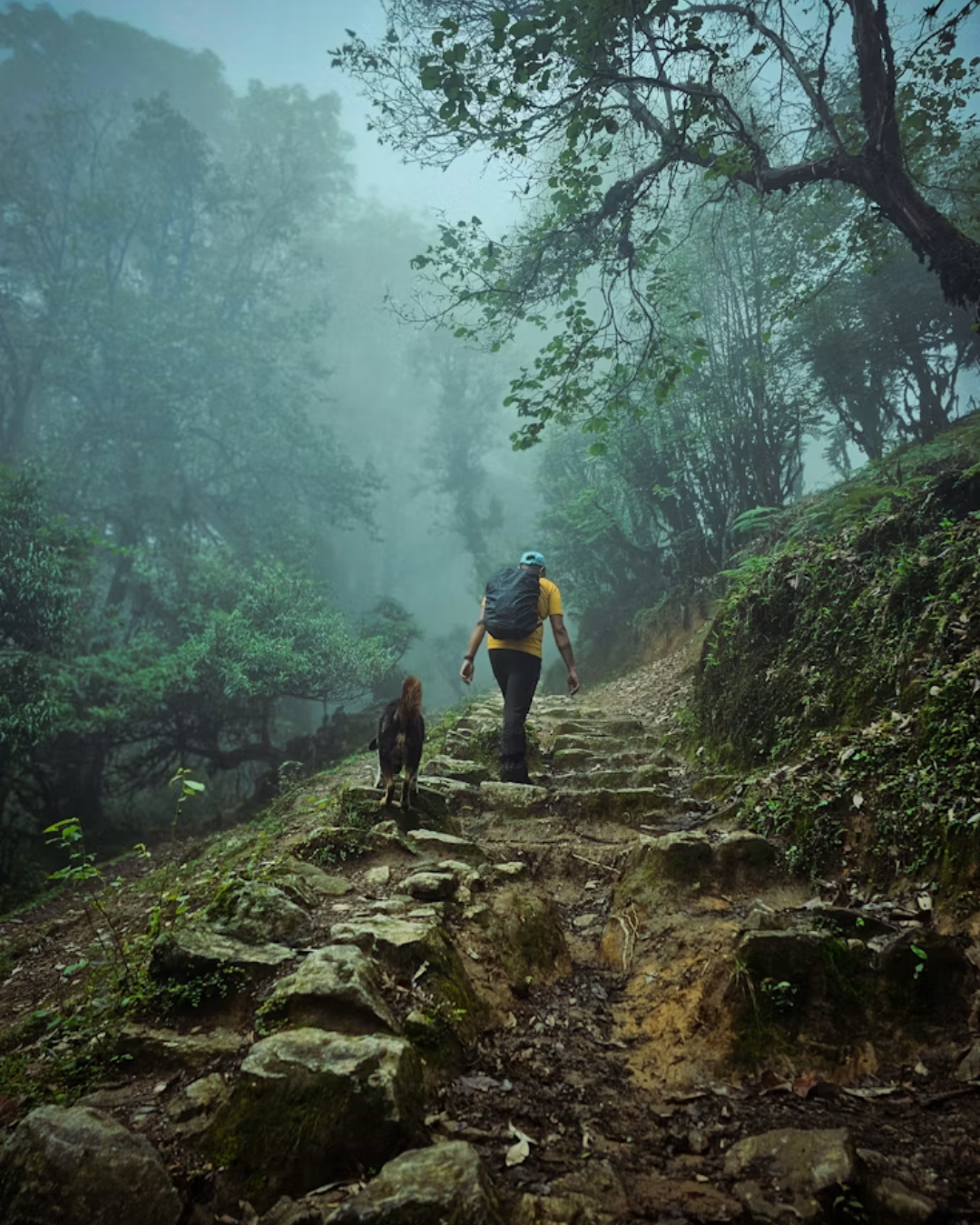
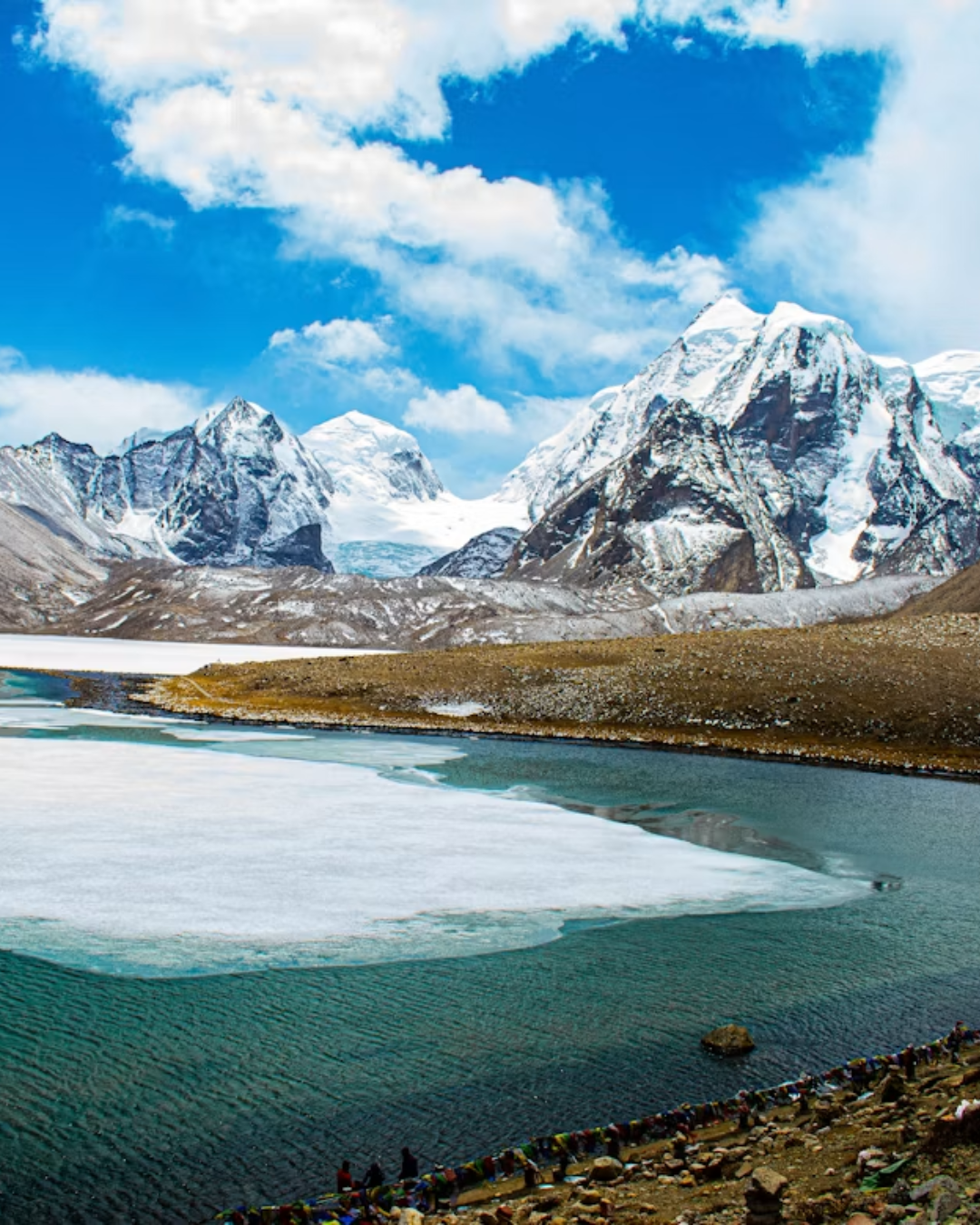
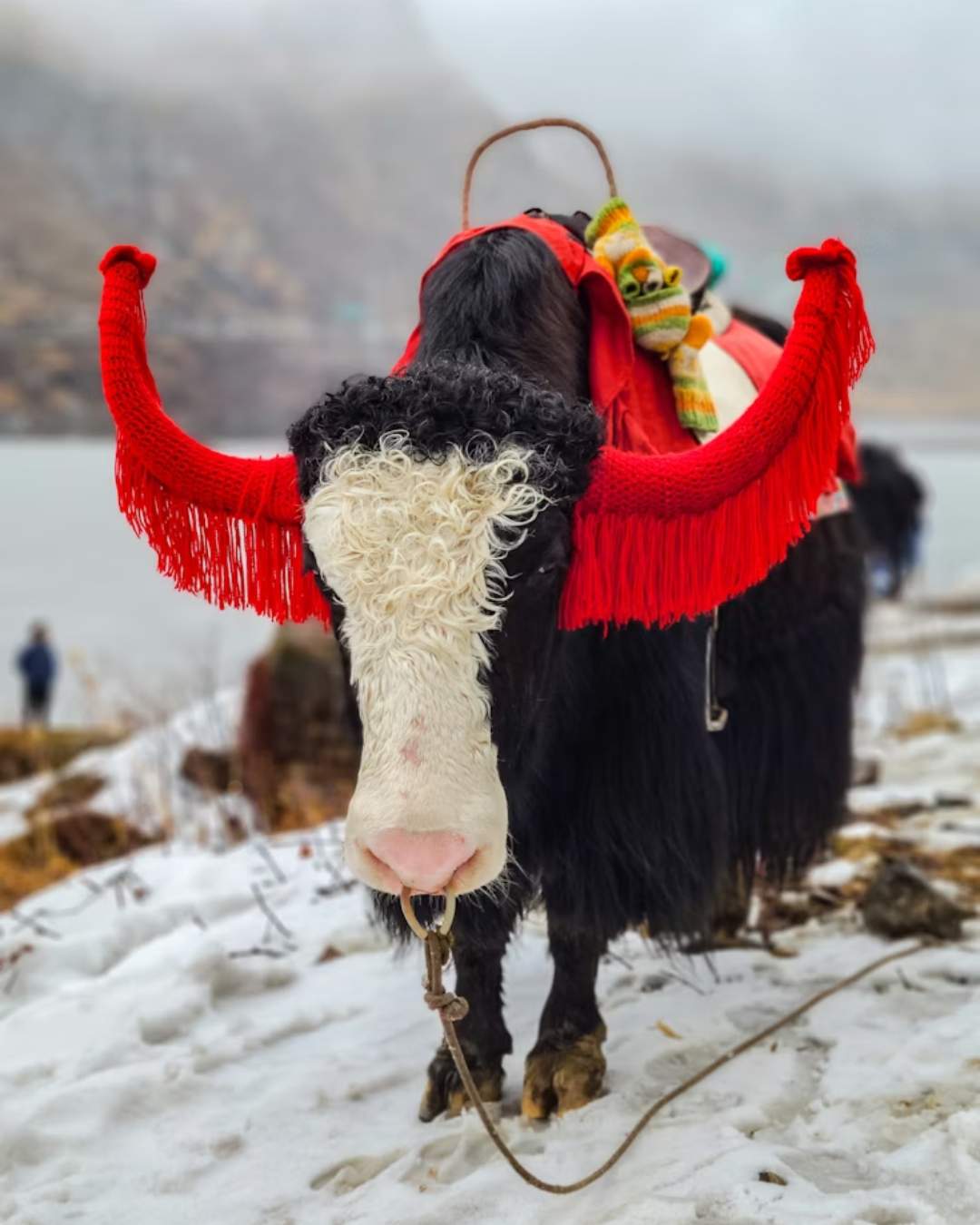
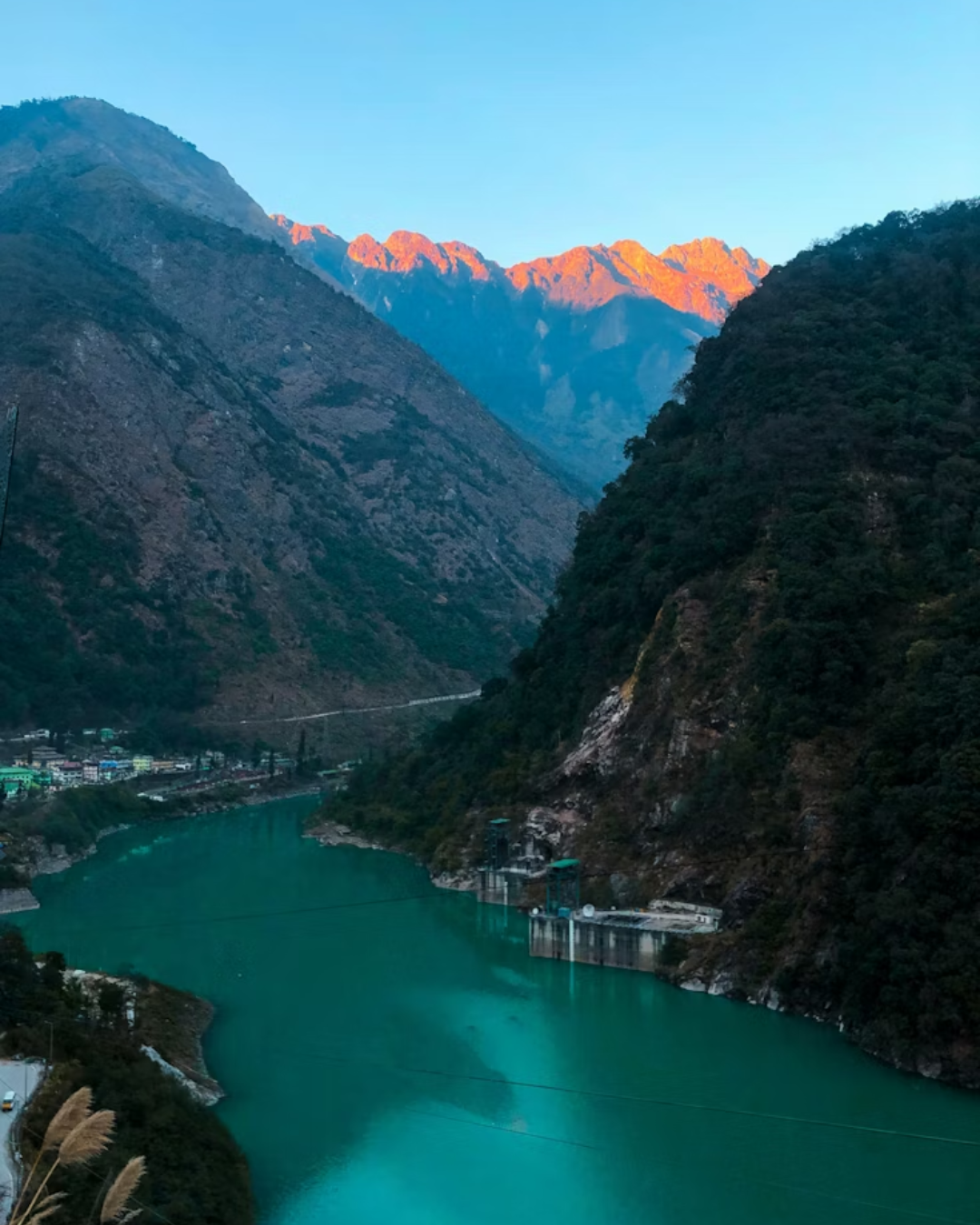
Nestled in the lap of the Himalayas, Sikkim is a small yet incredibly diverse state where snow-capped peaks, peaceful monasteries, charming towns, and untouched valleys come together in one unforgettable journey.
From the towering presence of Kanchenjunga to the lively streets of Gangtok, from remote mountain villages to quiet spiritual spaces, Sikkim offers a travel experience that feels both peaceful and exhilarating.
Known for its pristine environment, warm local hospitality, rich traditions, and strong commitment to responsible tourism, Sikkim is perfect for travelers who want to experience the Himalayas with depth, care, and connection.
Sikkim blends snow-capped Himalayan views, organic valleys, sacred monasteries, colorful traditions, warm local hospitality, and thrilling mountain adventures into one deeply refreshing journey.
Sikkim is home to breathtaking Himalayan scenery, including the majestic Kanchenjunga, peaceful valleys, lush forests, vibrant meadows, and crystal-clear rivers.
As India’s first fully organic state, Sikkim is loved for its clean landscapes, sustainable spirit, fresh mountain air, and nature-first way of life.
Sikkim’s culture carries beautiful influences from Nepal, Tibet, Bhutan, Lepcha, and Bhutia traditions, reflected in its festivals, food, monasteries, and everyday life.
From the famous Goechala Trek to rafting on the Teesta and Rangeet rivers, Sikkim offers adventure surrounded by dramatic Himalayan beauty.
Peaceful monasteries like Rumtek, Pemayangtse, and Tashiding create a calm space for reflection, meditation, wellness, and deeper connection.
Homestays, local markets, community festivals, and home-cooked meals allow travelers to experience Sikkim through real people, stories, and traditions.
Sikkim’s forests and protected areas are home to orchids, rhododendrons, red pandas, snow leopards, Himalayan black bears, and rare mountain species.
From Gangtok’s lively streets and sacred monasteries to glacial lakes, high mountain passes, flower valleys, and peaceful villages, every corner of Sikkim reveals a different side of the Himalayas.
A vibrant hill capital with MG Marg, local markets, Himalayan views, monasteries, food, and easy city walks.
A mystical glacial lake surrounded by snow-capped mountains, seasonal colors, rhododendrons, and yak rides.
One of Sikkim’s most important Buddhist centers, known for peaceful rituals, murals, architecture, and spiritual depth.
A peaceful town loved for Kanchenjunga views, waterfalls, ancient monasteries, nature trails, and mountain calm.
A biodiversity-rich UNESCO site with forests, alpine meadows, rare wildlife, and unforgettable trekking routes.
A dramatic Indo-China border pass with Silk Route history, mountain roads, army presence, and powerful views.
A North Sikkim paradise filled with rhododendrons, alpine beauty, mountain silence, and natural hot springs.
Peaceful North Sikkim villages that open the way to Gurudongmar Lake, Yumthang Valley, and Zero Point.
One of the world’s highest lakes, known for sacred importance, crystal-clear water, and surreal snow landscapes.
A calm South Sikkim town known for Buddha Park, peaceful gardens, mountain views, and Ralang Monastery.
Sikkim is not explored in a straight line. It unfolds like a collection of postcards — Gangtok’s lively streets, Tsomgo’s glacial calm, Rumtek’s spiritual silence, Pelling’s Kanchenjunga views, North Sikkim’s flower valleys, and high-altitude lakes that feel almost unreal.
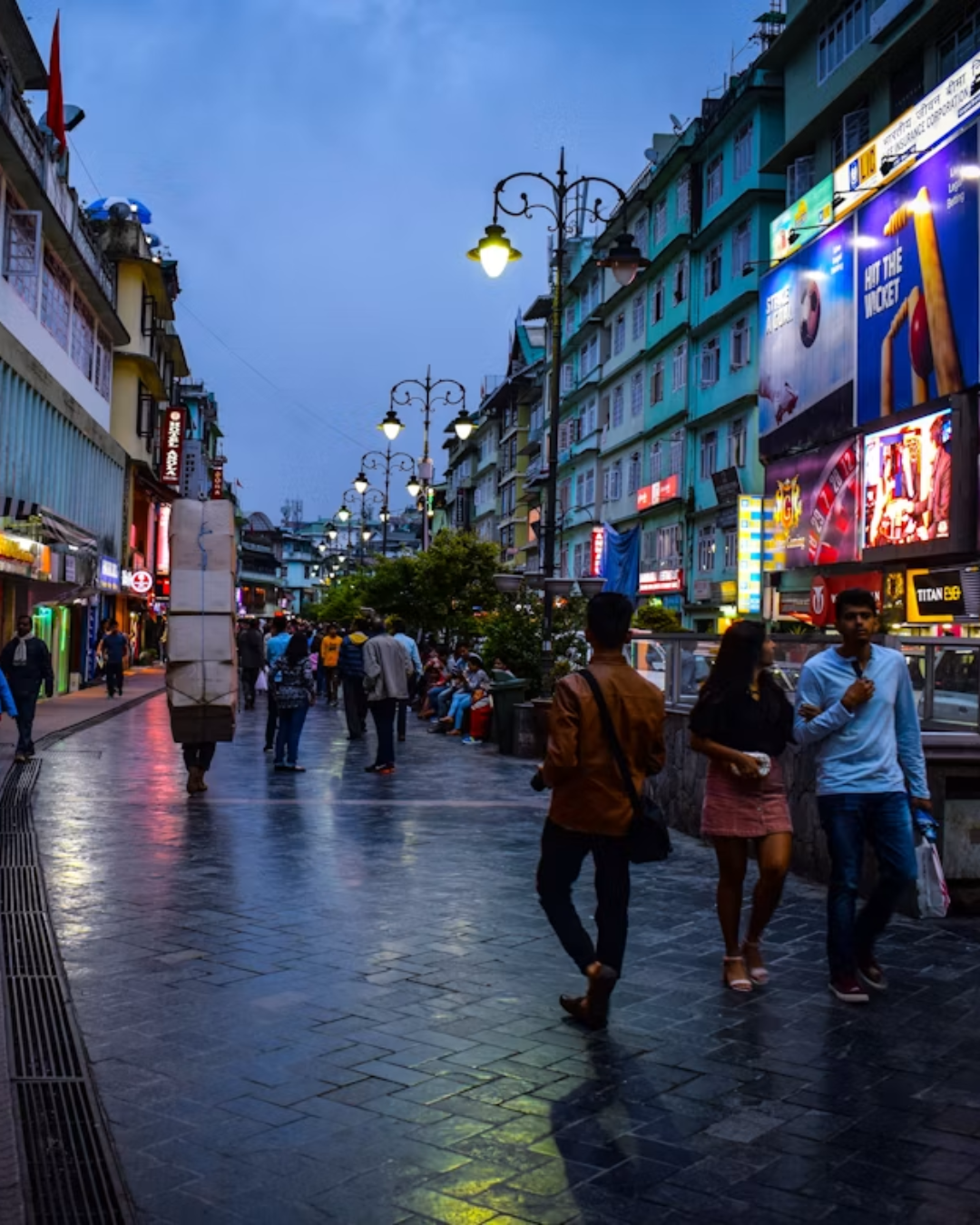
Gangtok is where many Sikkim journeys begin. It blends modern comfort with mountain-town charm through MG Marg, handicraft shops, local cafes, monasteries, viewpoints, and a lively yet relaxed atmosphere.
Tsomgo Lake, also known as Changu Lake, sits high in the mountains and changes mood with the seasons. In winter it can freeze into a magical white landscape, while spring brings rhododendrons and brighter mountain colors.
Rumtek Monastery is known for its peaceful setting, vibrant murals, Buddhist rituals, and spiritual importance. It offers travelers a quiet glimpse into Sikkim’s deep-rooted Tibetan Buddhist heritage.
Pelling is one of the best places to enjoy views of Kanchenjunga. It also connects travelers to Pemayangtse Monastery, waterfalls, old trails, peaceful lakes, and the slower charm of West Sikkim.
This UNESCO World Heritage Site is one of Sikkim’s great natural treasures. Its diverse ecosystems are home to rare species such as the red panda, snow leopard, and Himalayan black bear, along with some of the region’s most beautiful trekking routes.
Nathula Pass combines history, altitude, and adventure. Once part of the ancient Silk Route, it now offers dramatic mountain roads, border landscapes, memorial points, and a strong sense of place.
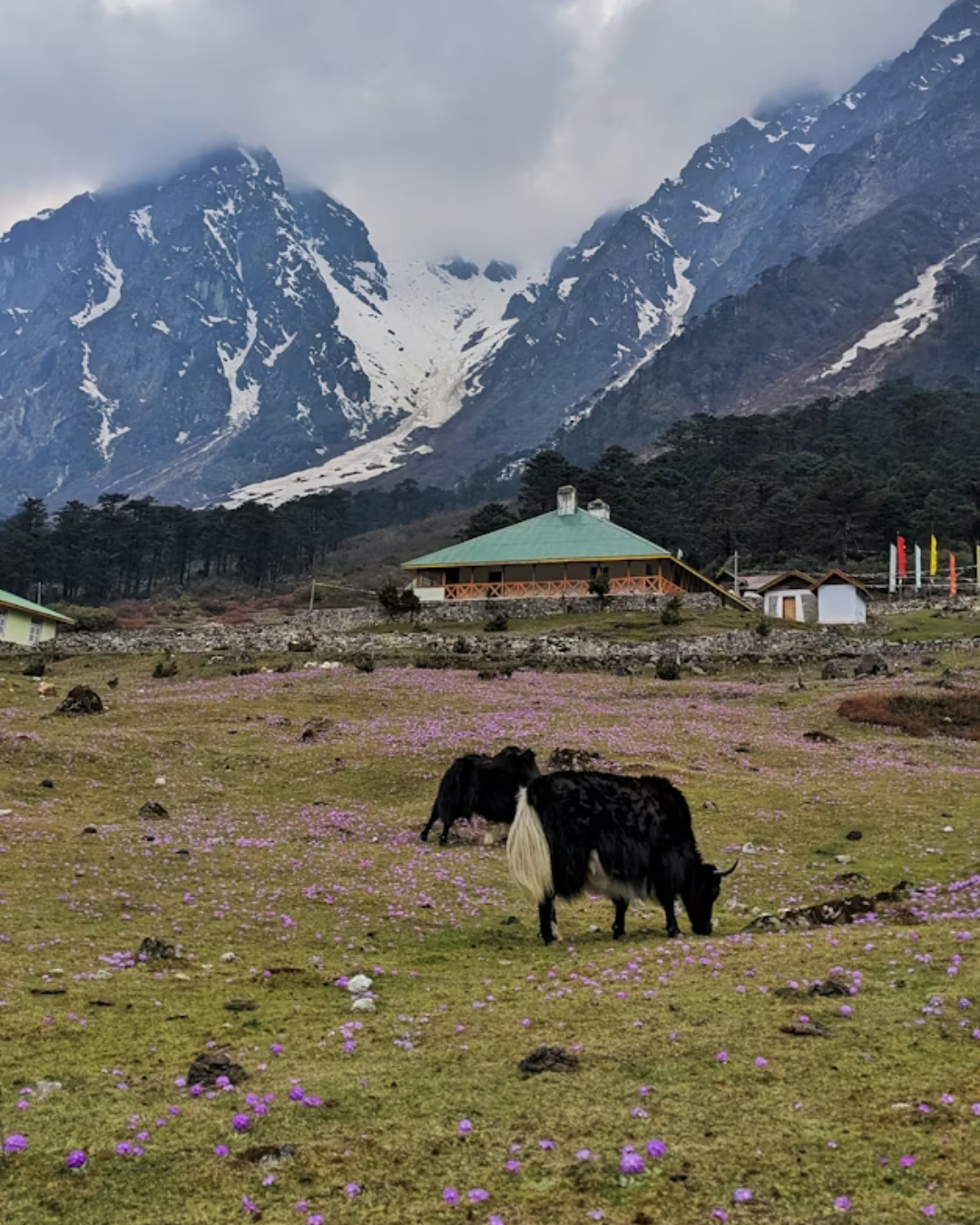
Yumthang Valley blooms beautifully in spring with rhododendrons, primulas, poppies, and mountain flowers. The valley’s open landscapes, hot springs, and peaceful setting make it one of North Sikkim’s most loved escapes.
Lachen and Lachung offer quiet mountain village experiences with homestays, local food, and access to some of Sikkim’s most dramatic routes. Lachen leads toward Gurudongmar Lake, while Lachung opens the way to Yumthang Valley and Zero Point.
Gurudongmar Lake feels almost otherworldly. Its crystal-clear water, sacred importance, snow-covered surroundings, and high-altitude setting create one of Sikkim’s most powerful travel experiences.
Ravangla is a peaceful South Sikkim town known for Buddha Park, the grand Buddha statue, landscaped gardens, mountain views, and nearby Ralang Monastery. It is perfect for travelers who want calm, photography, and reflection.
Sikkim’s landscapes move from lush valleys and rivers to alpine trails, sacred caves, mountain villages, and high ridges. Whether you want adrenaline, quiet nature, culture, or a slow wilderness escape, the state offers an adventure that feels personal.
The Goechala Trek is one of Sikkim’s most iconic high-altitude adventures. The journey takes you through forests, meadows, mountain lakes, remote villages, and cultural pockets before opening into unforgettable views of the Kanchenjunga range.
Challenging Himalayan trekking with a strong sense of reward at every viewpoint.
Trekkers, mountain lovers, photographers, and travelers seeking a serious outdoor journey.
Go with proper planning, layered clothing, permits where required, and experienced local support.
The Teesta and Rangeet rivers offer exciting rafting routes with rapids suitable for different comfort levels. Some stretches bring an adrenaline rush, while gentler sections allow travelers to enjoy Sikkim’s riverside landscapes at a slower pace.
Fast-flowing rapids, splashes, turns, and a powerful river atmosphere.
Groups, first-time rafters, adventure lovers, and travelers who enjoy water activities.
Choose trained operators, wear safety gear, and avoid rafting during unsafe weather conditions.
Paragliding in Gangtok gives you a completely different view of Sikkim. With experienced pilots and tandem flight options, even beginners can enjoy the feeling of floating above the hills and cityscape.
A floating, open-sky experience with wide views of hills, valleys, and distant peaks.
First-time flyers, couples, photographers, and travelers looking for a memorable highlight.
Flights depend heavily on weather, wind, visibility, and operator safety checks.
Sikkim’s rugged terrain and peaceful rural roads make mountain biking a beautiful way to explore the region up close. Routes around Pelling, village trails, and forest paths create a mix of activity, culture, and landscape.
Fresh air, changing slopes, village roads, forest routes, and close contact with the landscape.
Active travelers, cyclists, explorers, and anyone who enjoys slow adventure with local contact.
Use helmets, choose routes based on your fitness, and start early for cooler weather.
Dzongu is a protected North Sikkim region known for pristine nature and the Lepcha community. Camping here is less about noise and more about stillness, rivers, forests, village life, and cultural exchange.
A quiet wilderness escape where the adventure is in disconnecting and slowing down.
Nature lovers, mindful travelers, campers, culture seekers, and people who enjoy remote stays.
Respect local communities, avoid littering, and choose responsible camps or guided stays.
Sikkim offers opportunities for rock climbing and mountaineering, especially around areas like Yuksom. Whether you are learning the basics or pushing your limits, the Himalayan setting makes the experience feel powerful.
Physical challenge, mountain skills, focus, and a strong sense of accomplishment.
Adventure enthusiasts, climbers, learners, and travelers who want a more technical activity.
Climb only with proper equipment, guidance, weather awareness, and safety preparation.
North Lha-ri-nying Phu, also known as the Old Caves of God’s Hill, offers an unusual blend of adventure and spirituality. The caves are linked with Guru Rinpoche and carry a mystical, sacred atmosphere.
Exploring ancient cave spaces that feel mysterious, quiet, and spiritually powerful.
Curious travelers, spiritual explorers, culture lovers, and people interested in sacred landscapes.
Respect the pilgrimage value of the caves and avoid treating sacred spaces like ordinary adventure spots.
Kewzing is a peaceful South Sikkim village known for rich birdlife and nature walks. With local guides, travelers can spot rare and colorful species while enjoying forests, farmlands, and quiet village surroundings.
A softer adventure built around patience, sound, movement, and the joy of spotting birds.
Birdwatchers, photographers, families, nature lovers, and slow travelers.
Start early, move quietly, carry binoculars if possible, and use local birding guides.
Sikkim’s cultural identity is shaped by the Lepchas, Bhutias, Nepalese communities, Buddhist traditions, Hindu festivals, village life, music, food, and sacred practices. To travel here meaningfully, it helps to understand the customs that make the state feel so warm, spiritual, and deeply connected to nature.
The Lepchas are the indigenous people of Sikkim and are often called the “Children of the Snowy Peaks.” Their traditions reflect a deep spiritual bond with forests, rivers, mountains, and the natural world.
Traditional weaving, village life, nature-based rituals, oral stories, and a worldview shaped by respect for the land.
Visit a Lepcha village respectfully, speak with local families, listen to folk tales, and learn how culture and nature remain closely connected.
The Bhutias are closely connected to Sikkim’s Tibetan Buddhist heritage. Their festivals, prayers, monastery rituals, clothing, homes, and ceremonies bring a strong spiritual rhythm to the state.
The Nepali community has deeply enriched Sikkim’s cultural life through music, dance, food, festivals, and everyday traditions. Performances like Maruni and Dhan Naach bring rhythm, color, and joy to local celebrations.
Sikkim’s spiritual life is visible in its monasteries, temples, festivals, prayer flags, rituals, and pilgrimage sites. Buddhist monasteries like Rumtek, Tashiding, and Pemayangtse preserve ancient practices, while Hindu festivals such as Dasain and Tihar are celebrated with devotion.
Sikkim is known for its clean landscapes, spiritual spaces, strong community values, and deep connection with nature. A thoughtful traveler helps protect this beauty by respecting local customs, supporting local people, and moving through the mountains with care.
Dress respectfully, ask before photographing people, carry back your waste, choose local stays, support artisans, and treat every monastery, village, trail, and forest as a living part of Sikkim’s heritage.
When visiting monasteries, temples, and sacred spaces, dress modestly and remove your shoes where required. Keep your voice low, observe rituals quietly, and let the calmness of the place guide your behavior.
Choose locally owned homestays, guesthouses, guides, restaurants, and small shops. Buying directly from artisans helps preserve traditional crafts and keeps the benefit of tourism within the community.
Sikkim’s beauty depends on clean forests, rivers, trails, and mountain ecosystems. Avoid single-use plastics, carry a reusable water bottle, dispose of waste properly, and never leave litter behind.
Conversations with local people can become the most memorable part of your trip. Show genuine interest in customs, language, food, farming, festivals, and stories, but always respect privacy and personal boundaries.
When trekking through villages, forests, or remote areas, move with patience and awareness. Do not enter homes, farms, prayer spaces, or sacred areas without permission. Choose operators who employ local guides, follow safety standards, and respect the environment.
Sikkim is beautiful in every season, but mountain travel needs smart planning. Roads can be long, weather can change quickly, and high-altitude places may need permits. Use this guide to choose the right route, pack better, and travel with confidence.
March to May and October to November are usually the most comfortable months for clear views, sightseeing, flowers, and mountain drives.
June to September can bring heavy rain, fog, landslides, roadblocks, and delays. Keep extra buffer days and avoid tight transfers.
Tsomgo, Nathula, Gurudongmar, Yumthang, and Zero Point need slower pacing. Do not rush, stay hydrated, and follow local guidance.
Distances and timings are approximate. Mountain roads, weather, traffic, permits, and road conditions can change the actual journey time.
Approx. 120–125 km · Around 4 to 5 hours by private taxi or shared vehicle. This is the most common flight route for travelers visiting Sikkim.
Approx. 30–35 km · Around 1 to 1.5 hours by road. It is closer to Gangtok, but flight availability can be limited and affected by weather.
Approx. 115–125 km · Around 4 to 5 hours by taxi or shared jeep. A practical route for travelers arriving by train.
Approx. 115 km · Around 4 to 5 hours. Shared jeeps, private taxis, and regular road transfers are commonly available.
Approx. 95–100 km · Around 4 to 5 hours. A scenic hill-to-hill route often used in Darjeeling and Sikkim combined itineraries.
Approx. 75–80 km · Around 3 to 4 hours. A beautiful route for travelers combining Kalimpong, Sikkim, and Darjeeling.
Approx. 40–55 km · Around 2 to 3.5 hours depending on route, weather, permit checks, snow, and traffic.
Approx. 115–125 km · Around 5 to 7 hours. These North Sikkim villages are common overnight bases for Yumthang Valley and Gurudongmar Lake.
Yumthang is around 25 km from Lachung, while Zero Point is farther ahead. Start early because weather and road conditions can change quickly.
Approx. 65–70 km · Around 3 to 4 hours one way. This is a high-altitude route, so travel slowly and follow your guide’s advice.
Approx. 120–130 km · Around 5 hours. This route connects East Sikkim’s capital with West Sikkim’s Kanchenjunga viewpoints and monasteries.
Approx. 50–55 km · Around 2 to 3 hours. A peaceful South Sikkim route often added for Buddha Park, monastery visits, and mountain views.
Bagdogra Airport is the most reliable air entry for most Sikkim trips. Pakyong Airport is closer to Gangtok, but flights can be limited, seasonal, or weather affected. Always confirm before planning your final transfer.
New Jalpaiguri is the main railway station for Sikkim-bound travelers. From NJP, continue by taxi or shared jeep toward Gangtok, Pelling, Ravangla, or other hill routes.
During monsoon, avoid very tight day-to-day plans. Keep extra time between transfers, check road updates, carry rain protection, and stay flexible with North Sikkim or high-altitude routes.
Nathula, Tsomgo, North Sikkim, Gurudongmar, Yumthang, and some protected areas may need permits. Carry valid ID, passport-size photos if required, and follow official route rules.
Sikkim is best experienced through local stories, thoughtful routes, warm homestays, mountain villages, peaceful monasteries, and slow moments that do not feel rushed.
We help you plan a journey that feels special — with local insight, honest suggestions, comfortable pacing, and experiences that connect you more deeply with the hills.
Plan with local guidancePlanning a Sikkim trip often brings questions about permits, routes, weather, safety, packing, food, cash, mobile network, and solo travel. Here are simple answers to help you feel ready before your journey begins.
Indian citizens do not need an Inner Line Permit to enter Sikkim. Foreign nationals require an Inner Line Permit, which can usually be obtained at major entry points such as Bagdogra Airport, New Jalpaiguri Railway Station, and Rangpo. Areas like Tsomgo Lake, Nathula Pass, Dzongu, and North Sikkim may need additional permits, which are usually arranged through a tour operator.
The best time to visit Sikkim is during spring, from March to May, and autumn, from September to November. Spring is known for blooming rhododendrons, while autumn usually offers clearer skies and better mountain views. Monsoon months can bring heavy rain and travel disruptions.
Most travelers reach Sikkim through Bagdogra Airport or New Jalpaiguri Railway Station. Bagdogra is about 125 km from Gangtok, while NJP is about 120 km away. From both places, you can take a taxi or shared jeep to Gangtok, which usually takes around 4 to 5 hours.
Sikkim is considered one of the safer states in India for tourists. Locals are known for being friendly and welcoming. Still, travelers should stay aware, respect local customs, follow travel advisories, and plan carefully when visiting remote or high-altitude areas.
Pack layered clothing, a warm jacket, comfortable walking shoes, sunscreen, sunglasses, a reusable water bottle, insect repellent, personal medicines, and rain protection if you are visiting during monsoon. For trekking, carry proper trekking gear, a sturdy backpack, trekking poles, and a headlamp.
Sikkimese food is influenced by Nepali, Tibetan, and Bhutanese flavors. Popular dishes include momos, thukpa, gundruk, and kinema. Vegetarian options are widely available, and many meals use fresh local ingredients. If you have special dietary needs, inform your stay or tour operator in advance.
Mobile coverage is generally good in major towns like Gangtok, Pelling, and Namchi. Major providers include Airtel, Jio, and BSNL. Wi-Fi is available in many hotels and cafes, but speeds may vary. Remote areas can have limited or weak connectivity.
ATMs are available in major towns like Gangtok, Pelling, and Namchi. Cards are accepted in larger hotels, restaurants, and shops, but cash is preferred in smaller towns and rural areas. Carry enough cash when traveling outside major towns.
Yes, Sikkim is a good destination for solo travelers. It has friendly locals, peaceful towns, and a relatively low crime rate. Solo travelers should plan ahead, use trusted transport, respect local customs, and be extra careful when visiting remote or permit-based areas.
Nepali is widely spoken in Sikkim, along with Sikkimese, Bhutia, and Lepcha. Hindi and English are also commonly understood, especially in hotels, shops, restaurants, and tourism-related businesses.
Sikkim is more than a destination. It is a journey into untouched beauty, sacred monasteries, mountain villages, warm hospitality, and traditions that have been protected with care for generations.
Whether you come for Kanchenjunga views, peaceful valleys, local culture, slow travel, or Himalayan adventure, Sikkim offers moments that feel personal, meaningful, and deeply refreshing.
Darjeeling Trips helps you explore Sikkim with thoughtful routes, comfortable pacing, local guidance, and experiences that feel closer to the real Himalayas.