A Festival of Prosperity
Garia Puja
Celebrated primarily by tribal communities in April, this vital festival marks the end of the sowing season with traditional rituals, music, and vibrant dances.


Discover the Queen of the Hills with local experts. Curated experiences across Darjeeling, Sikkim, and Nepal.
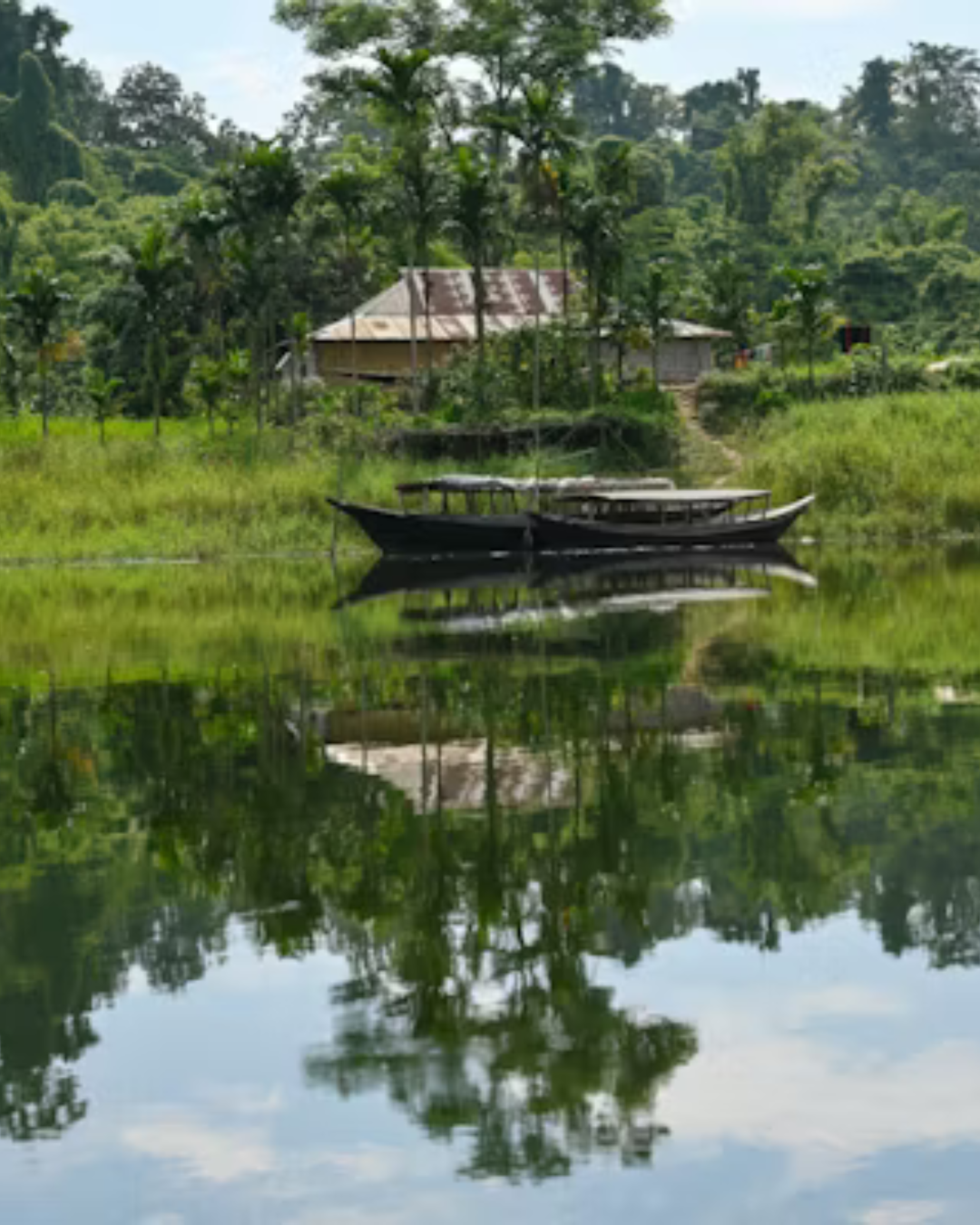
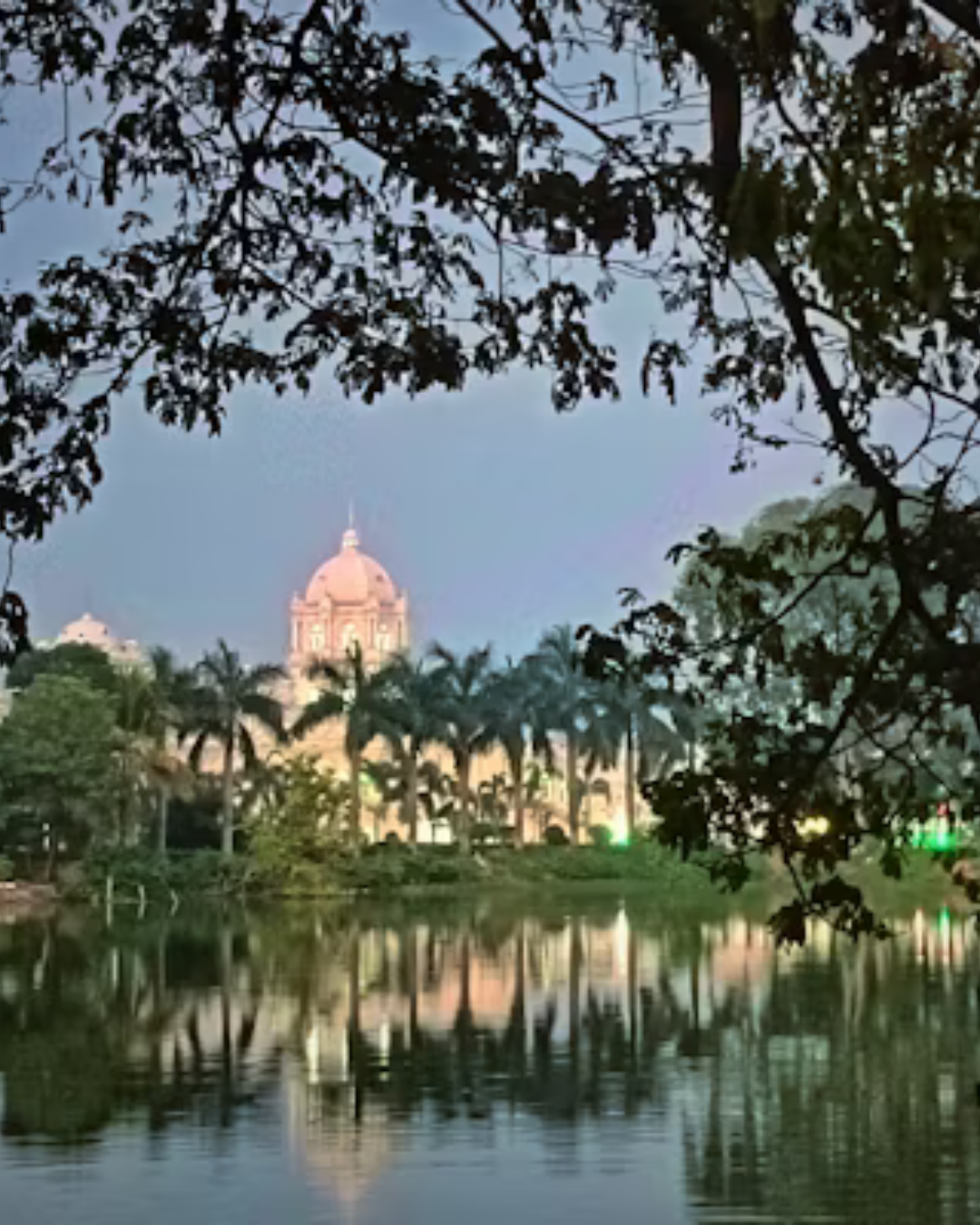
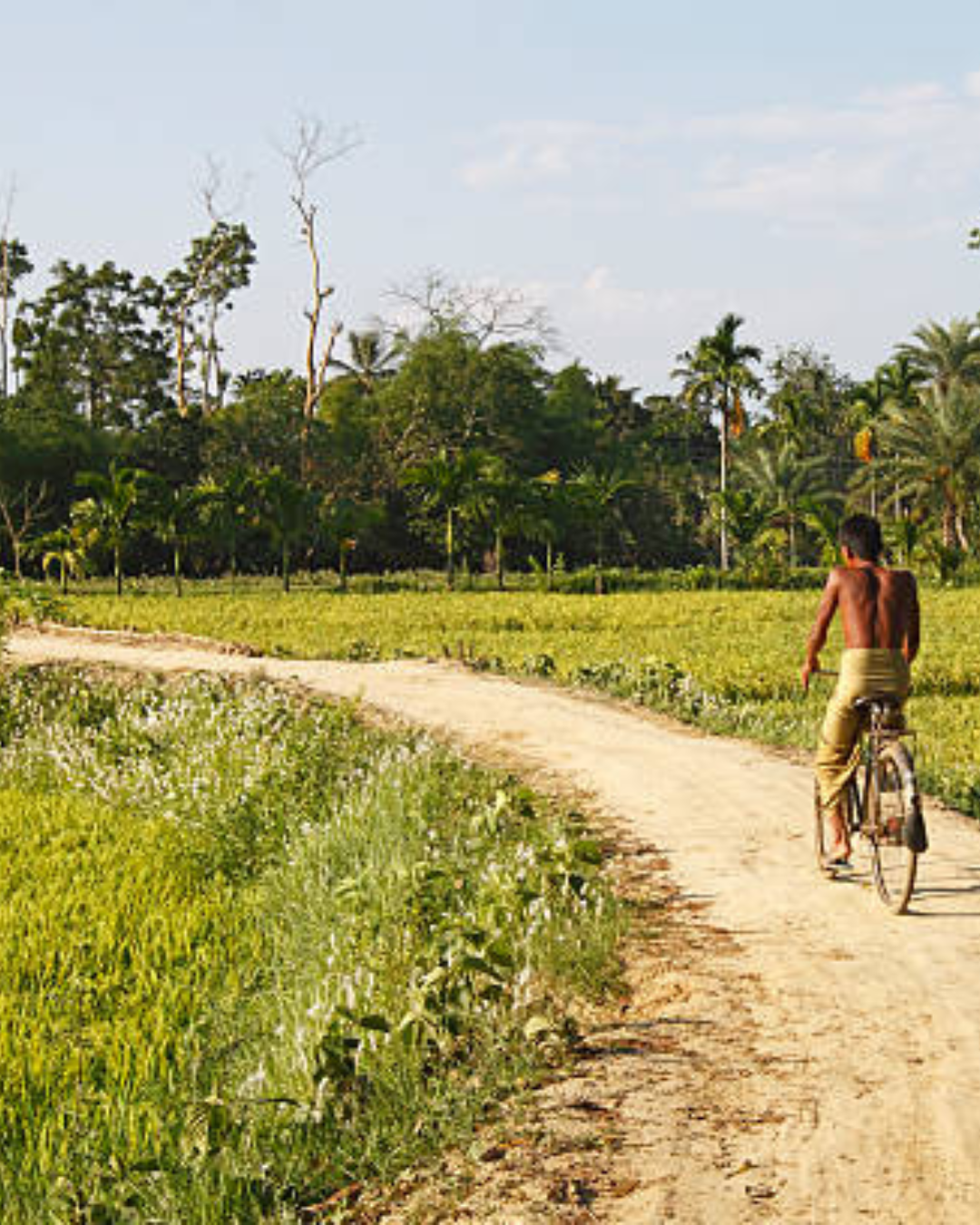
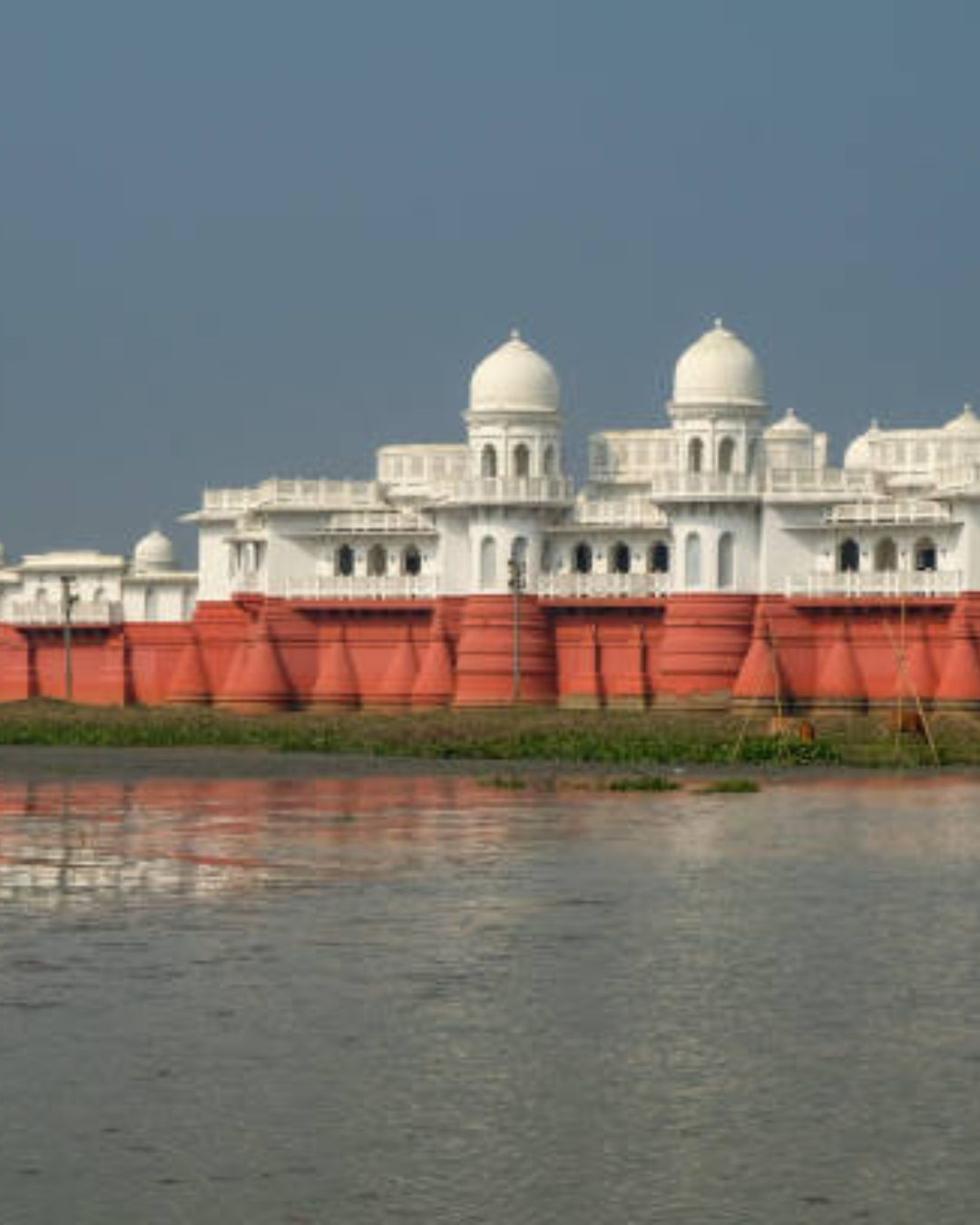
Tripura, one of the smallest states in India, is a hidden gem in the northeastern region of the country. Steeped in history, culture, and natural beauty, Tripura offers a unique blend of experiences that are both enriching and captivating.
From the ancient temples and palaces that echo tales of a bygone era to the lush hills, serene lakes, and dense forests teeming with wildlife, Tripura is a destination that promises to enchant every traveler. The state is home to a diverse population, with a rich tribal culture that is reflected in its festivals, crafts, and everyday life.
Whether you’re exploring the royal heritage of Ujjayanta Palace, marveling at the rock-cut carvings of Unakoti, or simply enjoying the tranquility of Neermahal Palace, Tripura offers a journey through time, culture, and nature.
Tripura blends ancient royal palaces, mesmerizing rock-cut art, serene lakes, vibrant tribal traditions, and diverse wildlife into one deeply enriching journey.
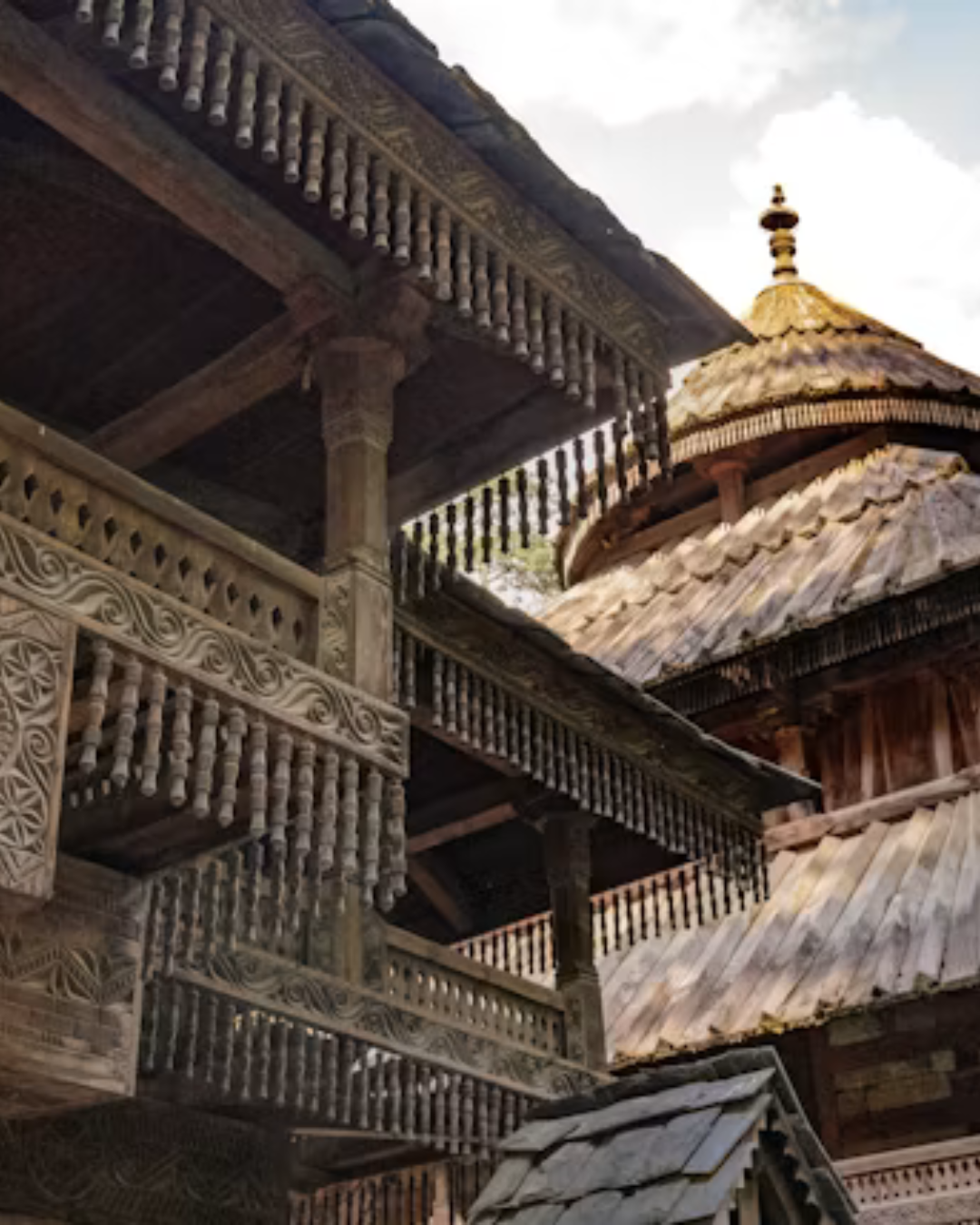
Tripura is home to a wealth of cultural heritage, with ancient temples, palaces, and historical sites that tell the stories of its royal past. The state’s unique blend of Hindu and tribal cultures is evident in its architecture, festivals, and daily life.
From the rolling hills and lush forests to serene lakes and rivers, Tripura’s natural beauty is both diverse and breathtaking. The state’s varied landscapes offer a peaceful retreat for nature lovers and adventure enthusiasts alike.
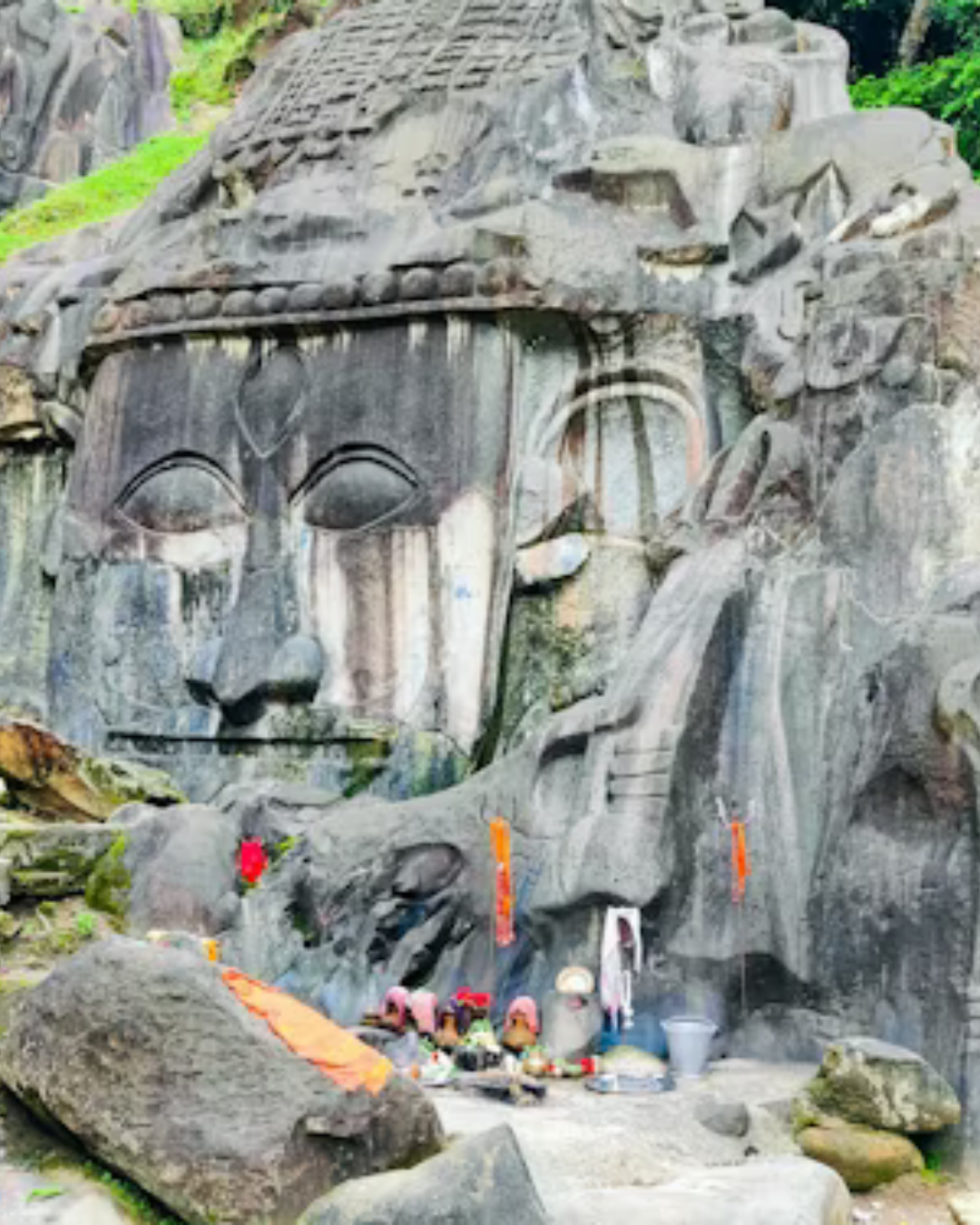
Tripura is famous for its ancient rock-cut carvings, particularly at Unakoti, where massive stone figures and intricate sculptures create a mesmerizing open-air gallery. These carvings, believed to date back to the 7th-9th centuries, are a must-see for history and art enthusiasts.
The state’s royal heritage is showcased in its stunning palaces, such as the Ujjayanta Palace in Agartala and the Neermahal Palace, which sits in the middle of Rudrasagar Lake. These architectural marvels offer a glimpse into the opulent lifestyle of Tripura’s former rulers.
Tripura’s festivals, such as Garia Puja and Durga Puja, are vibrant celebrations that offer a deep insight into the state’s cultural and religious traditions. These festivals are marked by colorful processions, traditional dances, and music, providing visitors with an immersive cultural experience.
Tripura is home to a variety of wildlife, including elephants, bison, and a wide range of bird species. The state’s national parks and wildlife sanctuaries, such as Sepahijala Wildlife Sanctuary and Trishna Wildlife Sanctuary, offer excellent opportunities for wildlife viewing and birdwatching.
The people of Tripura are known for their warmth and hospitality, making visitors feel welcome and at home. Whether you’re staying in a guesthouse, exploring a local market, or attending a festival, you’ll find the people of Tripura to be friendly and welcoming.
Tripura is renowned for its exquisite handicrafts, including bamboo and cane products, as well as its traditional handwoven textiles. These crafts are an important part of the state’s cultural identity and make for unique and meaningful souvenirs.
Tripura’s rich cultural heritage is reflected in its traditions, festivals, and everyday practices. Engaging with the local culture offers a unique experience that provides deep insights into the vibrant life of its people.
Celebrated primarily by tribal communities in April, this vital festival marks the end of the sowing season with traditional rituals, music, and vibrant dances.
Renowned handmade products, including baskets, furniture, and decorations, intricately crafted by local artisans to form a core part of the state's identity.
Captivating displays of grace and skill, from the acrobatic balance of the Hojagiri dance to the energetic community steps of the festive Garia dance.
A mild yet distinctive culinary landscape blending tribal and Bengali trends with dishes like Mui Borok, Bhangui, and spicy Wahan Mosdeng curry.
Tripura is a state rich in history, culture, and natural beauty. From the royal splendor of Agartala to the mysterious rock carvings of Unakoti and the eternal spring of Jampui Hills, explore the top attractions of this enchanting region.
Built by Maharaja Radha Kishore Manikya in the early 20th century, this palace showcases Tripura’s rich cultural heritage. The sprawling gardens, intricate carvings, and regal interiors house an impressive collection of artifacts reflecting royal and tribal traditions.
Built in the 1930s, this ‘Lake Palace’ blends Hindu and Mughal architectural styles. Visitors can enjoy a boat ride to the palace and experience a mesmerizing light and sound show narrating the history of Neermahal and the royal family.
Located in lush northern hills, Unakoti features intricate figures from the 7th-9th centuries, including a giant head of Shiva. Local legends say a single artist created these mystical carvings overnight before being cursed.
Located in Udaipur, this simple yet elegant temple is an important pilgrimage destination revered across the region. It becomes exceptionally vibrant during festivals like Diwali and Durga Puja with thousands of visiting devotees.
Home to diverse flora, fauna, and primates, this sanctuary is a hotspot for nature lovers. Beyond spotting wildlife, visitors can enjoy peaceful boating on tranquil lakes and excellent birdwatching with over 150 resident and migratory species.
Known for its pleasant climate, the Jampui Hills offer stunning views of valleys and mountains. It is a perfect retreat that comes alive during the annual Orange Festival, celebrating vibrant culture, music, and local agricultural heritage.
Tripura's diverse landscapes, from its lush hills and dense forests to its serene lakes, offer a variety of adventure activities for those looking to explore the great outdoors.
Jampui Hills, known for its pleasant climate and stunning views, offers several trekking routes that take you through dense forests, orange orchards, and picturesque villages, providing a perfect opportunity to explore the region's natural beauty.
Enjoying panoramic mountain views and experiencing the warm hospitality of the Mizo people.
Trekkers, nature lovers, photographers, and cultural explorers.
Take time to interact with local communities to learn about their way of life during your hike.
Rudrasagar Lake is home to the majestic Neermahal Palace, one of the only two water palaces in India. Boating on the lake offers a unique perspective of the palace and allows visitors to enjoy the serene beauty of the surroundings.
A tranquil boat ride combining stunning royal architecture with serene natural beauty.
Families, couples, birdwatchers, and history enthusiasts.
The lake is a haven for birdwatchers, with a variety of migratory birds visiting during the winter months.
Sepahijala Wildlife Sanctuary is a biodiversity hotspot, home to several species of animals including clouded leopards, monkeys, and various birds. A wildlife safari or guided nature walk offers a chance to see these animals in their natural habitat.
Spotting incredible wildlife up close while exploring deep, peaceful forests.
Wildlife enthusiasts, photographers, families, and nature walkers.
Maintain silence to easily spot animals and follow your guide for local flora and fauna insights.
Unakoti, known for its ancient rock-cut carvings, also offers exciting opportunities for rock climbing. The site’s rugged terrain and massive natural rock formations provide a challenging and exciting environment for climbers.
An adventure that combines physical activity with a deep appreciation of historical and cultural artistry.
Adventure seekers, climbers, and history enthusiasts looking for active exploration.
Ensure you practice safe climbing techniques while preserving and respecting the ancient carvings.
Located along the Gomati River, Devtamura is known for its remarkable rock carvings and hidden caves. Exploring these caves provides a thrilling sense of mystery as you navigate through their dark and winding passages.
Navigating dark, underground spaces that hold deep historical and cultural significance.
Curious travelers, adventure seekers, and those eager to discover lesser-known aspects of Tripura.
Wear appropriate footwear for uneven terrain and bring proper lighting for cave exploration.
Traveling to Tripura offers an opportunity to explore its rich cultural heritage, stunning natural landscapes, and vibrant traditions. To make your visit smooth and enjoyable, here are some essential travel tips to keep in mind.
Tripura has distinct seasons that dramatically alter its landscape. Choosing the right time to travel depends on whether you prefer cool festival weather or lush, heavy greenery.
The ideal time to visit, with cool and pleasant weather perfect for sightseeing. It coincides with vibrant festivals like Durga Puja and Garia Puja.
Heavy rainfall transforms the state into a lush green paradise. Be prepared for potential travel disruptions and always carry appropriate rain gear.
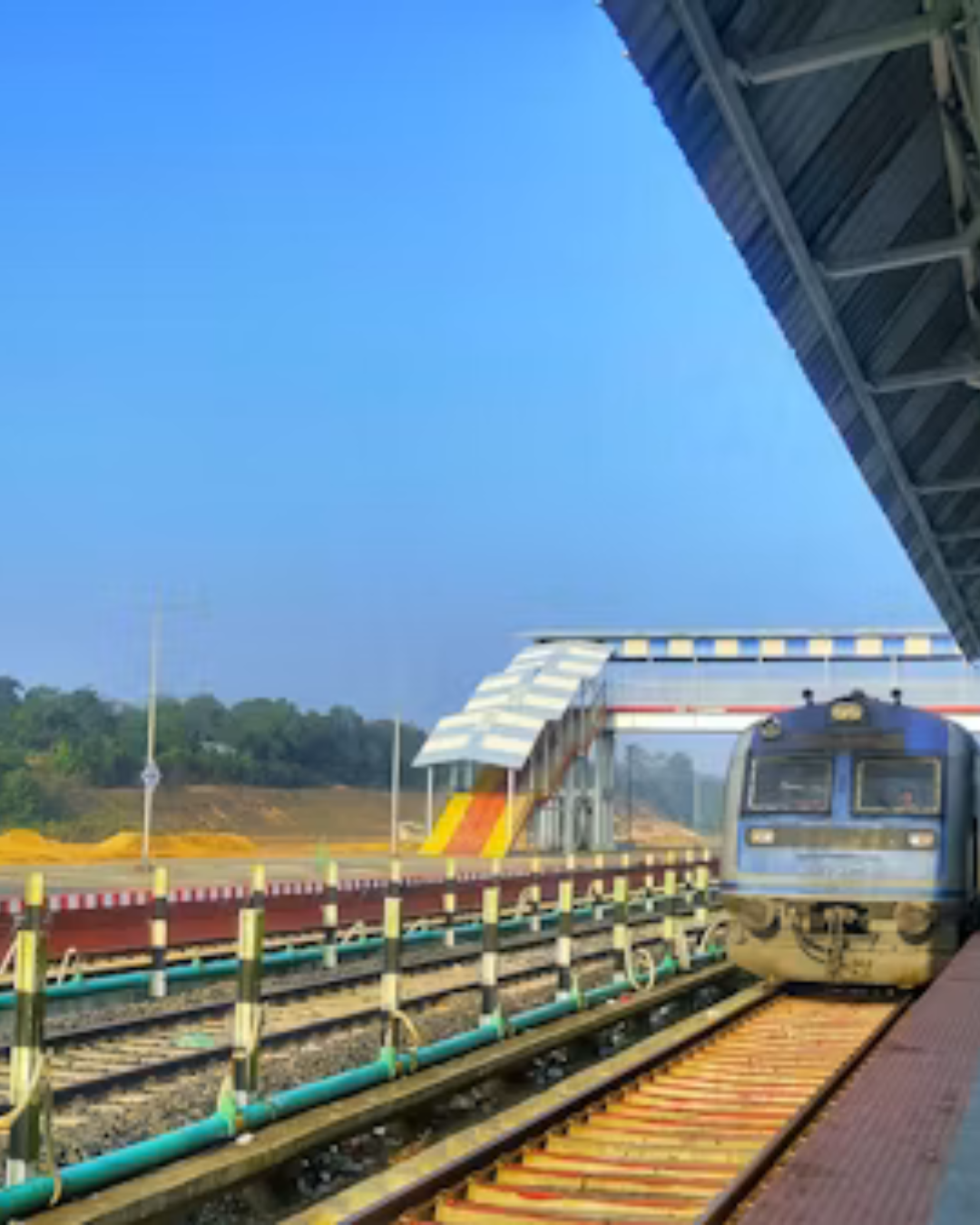
Maharaja Bir Bikram Airport in Agartala connects you to major cities like Kolkata and Delhi. Alternatively, Agartala Railway Station is well-connected, and National Highway 8 offers a scenic drive from Assam and Mizoram.
While an Inner Line Permit (ILP) is not required for Indian citizens to visit Tripura, foreign nationals must obtain a Protected Area Permit (PAP) to enter the state.
Tripura offers a variety of accommodations, from luxury hotels in Agartala to budget guesthouses. For a more immersive experience, consider a village homestay to enjoy traditional Tripuri hospitality.
It’s advisable to have travel insurance that covers health, accidents, and adventure activities. Consult your doctor for routine vaccines (hepatitis A, typhoid, malaria, dengue) before your trip.
Tripura’s cultural landscape is shaped by a beautiful blend of traditional practices, tribal customs, Bengali influences, and religious rituals. Engaging with these traditions offers a deeper understanding of the state’s heritage and profoundly enriches your travel experience.
To truly experience Tripura, take time to witness local craftsmanship, join in community celebrations respectfully, and savor the local flavors. Your interest helps keep these vibrant traditions alive.
Garia Puja, celebrated by the Reang (Bru) community, marks the end of the sowing season with traditional dances and sacrifices. The Bishu Festival, celebrated by the Manipuri community, is a joyous harvest festival involving community feasts.
Tripura is renowned for its handloom textiles, like the Risa, and its exquisite bamboo and cane crafts. These durable, aesthetically pleasing crafts are an integral part of tribal traditions and everyday life.
The local cuisine blends tribal and Bengali influences. Don't miss out on distinctive dishes like Mui Borok (fermented fish), Bhangui (sticky rice), and Wahan Mosdeng (spicy pork curry) made with fresh ingredients.
Life in Tripura is deeply connected to rituals. Marriages are large community events involving extended families, gifts, and feasting. Temple visits, like those to Tripura Sundari Temple, are integral to daily spiritual practices.
As you explore Tripura, it's important to engage with the local culture in a respectful and responsible manner. Understanding and practicing cultural sensitivity ensures a positive impact on both the community and your travel experience.
Opt for local restaurants, homestays, and guides. Purchasing handmade crafts ethically supports artisans and helps preserve traditional skills.
Dress modestly in rural areas or religious sites. Participate in festivals with an open mind, observe, learn, and always follow the lead of locals.
Dispose of waste properly, avoid littering, and follow “leave no trace” principles. Conserve water and respect wildlife habitats.
Keep these core principles in mind to foster mutual understanding and ensure your travel contributes positively to the region.
Adhere to Dress Codes: Modest clothing is preferred. Dress conservatively to show respect. If invited, wearing traditional attire can show appreciation.
Participate Respectfully: Observe festivals with an open mind. Follow the lead of local participants and avoid interrupting ceremonies.
Buy Local Crafts: Purchase handmade products to support artisans. Look for genuine, ethically sourced items.
Choose Local Businesses: Opt for local restaurants, guesthouses, homestays, and tour operators who prioritize sustainable practices and community development.
Minimize Impact: Dispose of waste properly, carry reusable items, and avoid littering.
Respect Nature & Conserve: Stick to marked trails, don't disturb wildlife, and be highly mindful of your water and energy usage during your stay.
Learn About Local Practices: Take time to learn about local customs, traditions, and social norms to foster mutual understanding.
Volunteering: If interested, explore ethical volunteering opportunities that genuinely benefit the community.
Stay Informed: Stay updated on any health and safety guidelines specific to the region. Follow local advice on emergency procedures and keep important contacts handy.
Before taking photos of people, especially during festivals or ceremonies, always ask for permission. Respect privacy and avoid intrusive photography.
Follow guidelines for wildlife and nature conservation. Avoid disturbing wildlife, stick strictly to marked trails, and practice “leave no trace” principles during all outdoor activities.
Always familiarize yourself with the nearest medical facilities and local support services. Keep a list of emergency contacts and local authorities securely with you.
Sikkim is best experienced through local stories, thoughtful routes, warm homestays, mountain villages, peaceful monasteries, and slow moments that do not feel rushed.
We help you plan a journey that feels special — with local insight, honest suggestions, comfortable pacing, and experiences that connect you more deeply with the hills.
Plan with local guidancePlanning a Tripura trip often brings questions about permits, routes, weather, safety, packing, food, and local customs. Here are simple answers to help you feel ready before your journey begins.
The ideal time to visit Tripura is during the winter months, from October to March. The weather is cool and pleasant, making it perfect for sightseeing and outdoor activities. The monsoon season (June to September) brings heavy rains, which can cause travel disruptions, while summer (April to June) can be hot and humid.
No special permit is required for Indian citizens to visit Tripura. However, foreign visitors need a Protected Area Permit (PAP) to enter the state. The PAP can be obtained from the Ministry of Home Affairs or through Indian embassies and consulates.
By Air: Maharaja Bir Bikram Airport in Agartala is the main airport, with flights connecting to major Indian cities. By Train: Agartala Railway Station connects to cities like Kolkata and Guwahati. By Road: Tripura is accessible via National Highway 8 from Assam and Mizoram. Buses and taxis are available for local travel.
Top attractions include Ujjayanta Palace (a historical palace in Agartala), Neermahal Palace (a beautiful water palace located on Rudrasagar Lake), Jampui Hills (famous for scenic beauty), and Unakoti (an ancient site with rock-cut carvings).
Some popular dishes include Mui Borok (fermented fish, a traditional delicacy), Bhangui (sticky rice often served with various accompaniments), and Wahan Mosdeng (spicy pork curry). (You can also discover local handwoven garments like the Risa in cultural markets).
Yes, respectful behavior is highly encouraged. Dress modestly, especially when visiting rural areas or religious sites. Participate in local festivals respectfully, and always ask for permission before taking photos of people or ceremonies.
Tripura offers various adventure activities. You can enjoy trekking in Jampui Hills, boating on Rudrasagar Lake, wildlife safaris in Sepahijala Wildlife Sanctuary, rock climbing in Unakoti, and caving in Devtamura.
Look for reputable local tour operators and guides who offer authentic experiences and support responsible tourism. Book an authentic experience with Darjeeling Trips—we provide expert guidance and personalized itineraries to ensure a memorable visit.
Pack comfortable clothing suitable for the weather, including rain gear if you are traveling during the monsoon. Also, make sure to bring essential items like a basic first aid kit, sunscreen, insect repellent, and any personal medications.
Yes, Tripura is generally safe for tourists. However, as with any destination, always follow local safety guidelines, be cautious in unfamiliar areas, and keep emergency contacts handy throughout your journey.
Tripura offers a unique and enriching travel experience with its blend of natural beauty, vibrant culture, and rich history. From exploring ancient temples and palaces to immersing yourself in local traditions and enjoying outdoor adventures, Tripura has something special for every traveler.
Whether you're captivated by the historic architecture of Ujjayanta Palace, the serene landscapes of Jampui Hills, or the unique cultural experiences of local festivals, Tripura promises a journey filled with memorable moments. Embrace the opportunity to connect with the local communities, support traditional crafts, and practice responsible tourism.
Ready to explore the hidden gems? Darjeeling Trips provides expert guidance, personalized itineraries, and immersive experiences that showcase the true essence of Tripura.