




"Everest Base Camp Trek 2025: What's New?"
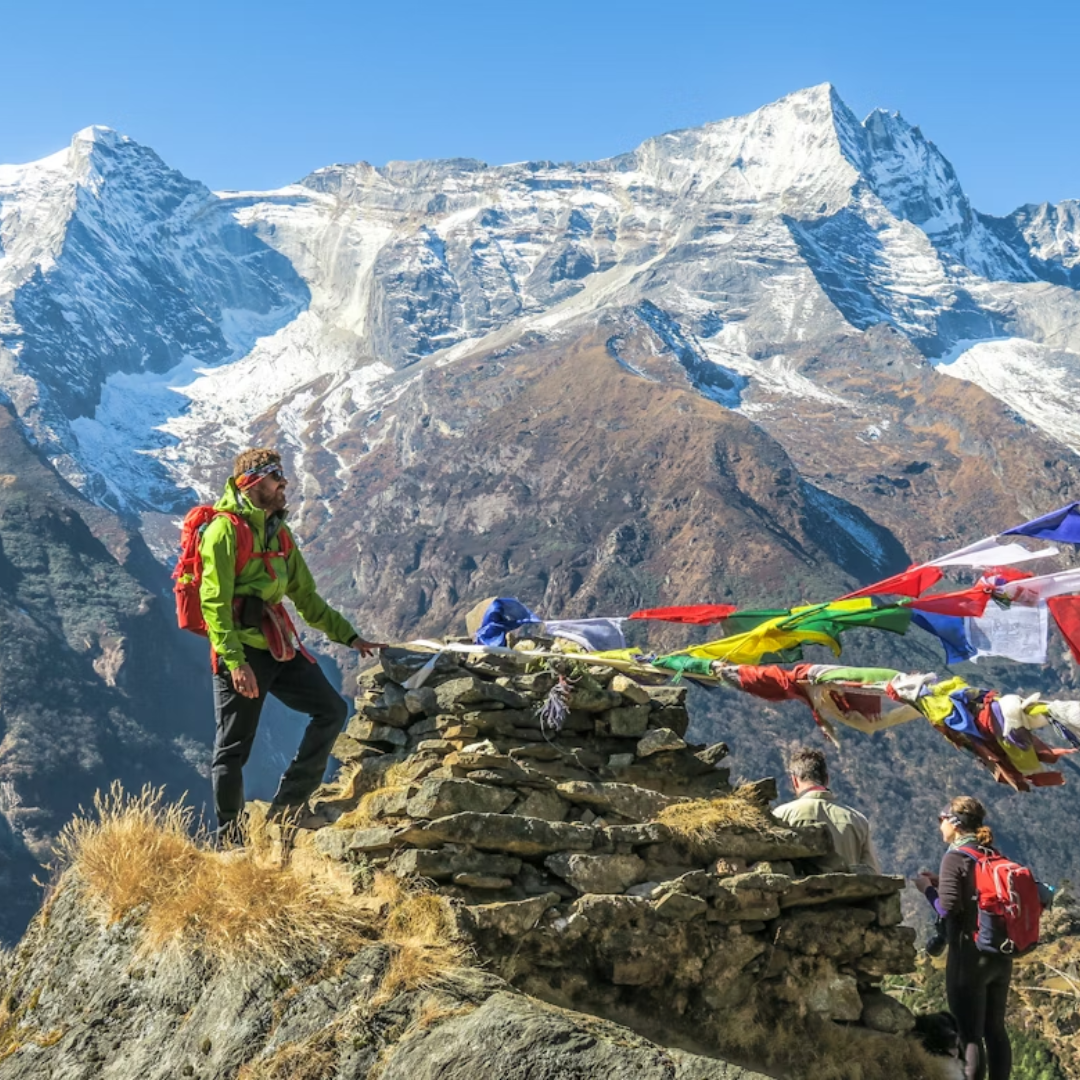
Imagine standing at the foot of the world’s highest peak, where the air is electrified with the spirit of intrepid adventurers and the echoes of legendary explorers.
Welcome to the Everest Base Camp, a gateway to the giants of the Earth.
Gateway to the Giants: Kathmandu to Lukla - The Adventure Begins
Step into the Gateway of Thrills
Kathmandu buzzes with an energy that's a prelude to the adventure ahead. Your journey to Everest Base Camp kicks off with a flight to Lukla, famed as one of the most thrilling airports in the world due to its short runway and breathtaking location.
The flight from Kathmandu to Lukla is not just a transfer—it's your first real taste of adventure, offering aerial views of terraced hills and remote villages, set against the backdrop of towering Himalayan peaks.
Upon landing, the crisp mountain air and the bustling activity of trekkers and locals alike set the perfect stage for what lies ahead.
Key Points:
- Lukla Airport: Known for its short runway and dramatic take-offs and landings, it's the starting point for most treks into the Everest region.
- Starting Altitude: Lukla sits at an elevation of 2,860 meters (9,383 feet), offering a gentle introduction to the heights to come.
- Cultural Melting Pot: Interact with fellow trekkers from around the globe and local Sherpas, whose insights and stories add depth to your trek.
Stats and Facts:
- Distance to Everest Base Camp: Approximately 65 kilometers one way.
- Average Trek Duration: From Lukla, it typically takes about 8-12 days to reach Base Camp, depending on acclimatization stops.
- Notable Sites: Pass through the Sagarmatha National Park, a UNESCO World Heritage Site, home to diverse flora and fauna.
Heart of the Highlands: Namche Bazaar - The Sherpa Capital
Embrace the Culture at the Crossroads of the Khumbu
Namche Bazaar, often referred to as the gateway to the high Himalayas, encapsulates the spirit of the Everest region. Nestled in an amphitheater-like setting, it offers the first glimpses of mighty peaks such as Thamserku and Kongde Ri.
As you acclimatize in Namche Bazaar, you'll find it's more than just a stopover; it's a vibrant hub of energy, history, and culture. Spend your days exploring the local market, visiting the Sherpa Culture Museum, and enjoying the warm hospitality of the local tea houses and lodges.
Key Points:
- Cultural Hub: Engage with the rich Sherpa culture and visit local landmarks including the statue of Tenzing Norgay.
- Acclimatization Day: Use your time to adjust to the altitude, with recommended hikes to higher altitudes such as the Everest View Hotel for breathtaking panoramic vistas of Everest, Lhotse, and Ama Dablam.
- Local Economy: Support local artisans by purchasing handmade goods at the bustling Saturday market.
Stats and Facts:
- Altitude: Namche Bazaar sits at approximately 3,440 meters (11,286 feet), making it a critical acclimatization point for trekkers.
- Population: Home to around 1,600 inhabitants, mostly Sherpas, who are renowned for their mountaineering prowess and deep-rooted Buddhist traditions.
- Historical Significance: Once a trading post brimming with salt, dried meat, and textiles, Namche now hosts trekkers and climbers from across the globe.
Pathway to Peace: Tengboche Monastery - Spiritual Solace Amidst the Peaks
Find Serenity Under the Watchful Eyes of the Himalayas
The trek to Tengboche is a journey into the spiritual heart of the Khumbu region. Home to the largest gompa (monastery) in the area, Tengboche Monastery is not just a destination but a profound experience, set against the majestic backdrop of the Himalayan giants like Ama Dablam.
As you ascend through rhododendron forests, the path gradually opens up to reveal the iconic monastery of Tengboche. This sacred site offers a place of peace and reflection for trekkers and monks alike. Engage in the daily life of the monastery, observe a puja ceremony, and soak in the panoramic views that many describe as nothing short of divine.
Key Points:
- Architectural Marvel: Explore the intricately decorated monastery, renowned for its colorful murals and carved woodwork that tell tales of Buddhist lore.
- Spiritual Connection: Participate in the morning and evening prayers for a deeper understanding and connection with the Buddhist traditions.
- Eco-conscious Stay: Opt to stay in eco-friendly lodges that support sustainable tourism practices in the region.
Stats and Facts:
- Altitude: Tengboche is situated at about 3,867 meters (12,687 feet), offering a new level of altitude acclimatization.
- Key Festival: The Mani Rimdu festival, held annually, is a spectacle of dance, prayer, and community gatherings, celebrating the tenets of Buddhism with monks and locals.
Higher Grounds: Dingboche - The Silent Valley
Breathe Deep in the Highland Air
Introduction: Dingboche, often called the "summer valley," offers a pause in the ascent, allowing trekkers to acclimatize while surrounded by a breathtaking amphitheater of rocky peaks.
This picturesque village is not just a rest stop; it's an opportunity to experience life above 4,000 meters. With its stone walls sheltering fields of barley and potatoes, Dingboche is a perfect blend of natural beauty and cultural richness. Take a day to hike to the nearby Nangkartshang Peak for unparalleled views of Makalu and Lhotse.
Key Points:
- Acclimatization Hikes: Essential for adjusting to the altitude, with recommended short treks to nearby peaks.
- Landscape: Notice the stark contrast in vegetation as the tree line recedes and shrubby, alpine growth takes dominance.
- Weather Watch: Prepare for colder nights and possibly the first sight of snow on your trek.
Stats and Facts:
- Altitude: Dingboche rests at an elevation of 4,410 meters (14,470 feet).
- Population: Primarily a seasonal settlement of herders and a resting point for trekkers.
- Geography: Located in a protected valley with less wind, which helps in acclimatizing more comfortably.
The Last Stretch: Lobuche - Gateway to Glacier
Where Trails Meet the Sky
Introduction: Lobuche is one of the final stops before reaching Everest Base Camp, offering trekkers a sense of nearing the culmination of their journey, with views dominated by the Khumbu Glacier.
The trail to Lobuche is intense but rewarding, featuring rocky terrain and the monumental sight of the Khumbu Glacier’s moraine. Here, historical milestones such as memorials for fallen climbers add a poignant touch to the trek, reminding all of the triumphs and tragedies of Everest expeditions.
Key Points:
- Historical Significance: Reflect at the memorials of mountaineers who have perished on nearby peaks.
- Geographical Features: Close-up views of the Khumbu Glacier and surrounding peaks.
- Preparation: Gear up for the colder, more challenging stages of the trek.
Stats and Facts:
- Altitude: Lobuche stands at about 4,940 meters (16,207 feet).
- Route Challenges: Expect a gradual climb with significant exposure to wind and cold.
Everest Base Camp: The Dream's Edge
Touch the Top of the World
Introduction: Arriving at Everest Base Camp is a surreal experience, where the excitement of achieving such a monumental goal is palpable. Feel the thrill of standing where the world’s greatest mountaineers have set up camp for their summit pushes.
Base Camp offers a sprawling view of the formidable Khumbu Icefall, with colorful tents dotting the harsh, yet majestic landscape during the climbing season. It's a place to celebrate your perseverance and to reflect on the vastness of nature's power.
Key Points:
- Climbing History: Stand on the ground that serves as the staging ground for summit attempts.
- Seasonal Landscape: Visually stunning during the climbing season when expeditions are present.
- Personal Achievement: Reflect on your journey and the challenges overcome to reach this far.
Stats and Facts:
- Altitude: Everest Base Camp is located at approximately 5,364 meters (17,598 feet).
- Prime Visiting Season: Mostly April and May, during the main climbing season.
Descent and Reflection: The Journey Back
Every End is a New Beginning
Introduction: The trek back down from Everest Base Camp offers a time for reflection on the profound journey you've undertaken. It’s also an opportunity to see the landscapes in a new light, with a perspective shaped by the experiences gained.
Descending through familiar trails, you'll notice details missed on the ascent, engage more deeply with local people, and see the environment with a new appreciation for its beauty and its challenges.
Key Points:
- Reflection: Consider how the trek has changed your perception of nature and your own limits.
- Cultural Interaction: Take more time to interact with locals, perhaps sharing meals or conversations.
- Physical Care: Be mindful of the toll on your knees and joints during the descent.
Stats and Facts:
- Duration: The descent typically takes less time but requires careful pacing to avoid injury.
- Revisiting Sites: Opportunity to revisit and appreciate places like Namche Bazaar and Lukla before flying back to Kathmandu.
Preparation Tips
Prepare Physically:
- Begin cardiovascular exercises like running, cycling, or swimming months in advance.
- Include strength training, particularly for legs, back, and core.
- Practice hiking with a weighted backpack.
Mental Preparation:
- Familiarize yourself with the trek’s challenges.
- Study the culture and geography of Nepal.
- Set realistic goals and expectations.
Health and Safety:
- Schedule a medical check-up.
- Discuss vaccinations and altitude sickness medication with a healthcare provider.
- Learn about acclimatization processes.
Packing List
Essential Gear:
- Trekking boots: Waterproof and broken-in.
- Backpack: 60-70L with a rain cover.
- Sleeping bag: Suitable for -20°C.
Clothing:
- Base layers: Moisture-wicking fabric.
- Insulation: Fleece or down jacket.
- Outer layer: Waterproof and windproof jacket and trousers.
Navigation and Tools:
- Maps and compass or a GPS device.
- Headlamp with extra batteries.
- Trekking poles.
Health and Hygiene:
- First aid kit including blister treatments.
- Sunscreen and lip balm with high SPF.
- Water purification tablets or a water filter.
Personal Items:
- Sunglasses and sunhat.
- Thermal flask.
- Snacks and nutritional supplements.
Understanding Acclimatization: The Key to Enjoying Your Trek
Acclimatization is crucial to a successful trek in the high altitudes of the Himalayas. Understanding how to acclimate properly can prevent altitude sickness, enhancing your overall trek experience.
What is Acclimatization? Acclimatization is your body's natural adaptation process to gradually get used to a higher altitude environment. It involves several physiological changes, including increased red blood cell production to carry more oxygen.
Tips for Proper Acclimatization:
- Climb High, Sleep Low: Make day excursions to higher altitudes, then return to lower altitudes to sleep.
- Hydration is Key: Drink plenty of water to help your body adjust to the thinner air.
- Scheduled Rest Days: Incorporate rest days in your itinerary, especially at critical points like Namche Bazaar and Dingboche.
Cultural Etiquette: Respecting the Sherpa Community
The local Sherpa community is an integral part of your trekking experience. Respecting their culture and traditions enriches your journey and fosters mutual respect.
Understanding Sherpa Culture: The Sherpas are known for their incredible mountaineering skills and deep-rooted Buddhist beliefs. Learning about their lifestyle and religious practices before your trek can significantly enhance your interaction with them.
Tips for Cultural Engagement:
- Learn Basic Phrases: Knowing simple greetings in Nepali shows respect and appreciation for the local culture.
- Respect Religious Sites: Always walk clockwise around Buddhist stupas and mani stones as a sign of respect.
- Support Local Businesses: Choose local lodges and buy local products to support the community economically.
Packing Smart: Essentials for the EBC Trek
Packing effectively is more than just filling up a backpack; it's about choosing the right gear that will withstand the rigors of the trek while keeping you comfortable.
Essential Gear and Clothing:
- Layered Clothing: Pack layers to easily adjust to changing temperatures.
- Quality Footwear: Invest in good hiking boots and ensure they are well-broken-in before the trek.
- Navigation Tools: Although your guide will know the way, having a map and compass can enhance your understanding of the route.
Health and Safety Items:
- First Aid Kit: Include altitude sickness medication, plasters for blisters, and basic medications.
- Sun Protection: High-altitude sun can be harsh; pack sunscreen, lip balm, and sunglasses.
- Water Purification: Carry water purification tablets or a portable water filter to ensure access to safe drinking water.
Navigating High Altitudes: Health Tips for Trekking to Everest Base Camp
Introduction: As you prepare to face the towering heights of Everest Base Camp, prioritizing your health is crucial. This section offers essential health tips to ensure you stay fit and able to enjoy every aspect of your trek.
Altitude Sickness: Prevention and Treatment
Altitude sickness is a common challenge among trekkers. Understanding its symptoms and knowing how to manage them can make a significant difference in your trekking experience.
Understanding Altitude Sickness:
- Altitude sickness can manifest as headache, nausea, dizziness, and fatigue.
- It typically occurs above 2,500 meters, where the air becomes thinner and less oxygen is available.
Preventive Measures:
- Acclimatize Properly: Take your time to acclimatize naturally, increasing altitude slowly.
- Stay Hydrated: Dehydration exacerbates altitude sickness. Drink plenty of water throughout your trek.
- Avoid Alcohol and Smoking: Both can increase the likelihood of dehydration and impair your ability to acclimatize.
Treatment Strategies:
- Descend: If symptoms worsen, the best treatment is to descend to a lower altitude as quickly and safely as possible.
- Medication: Medications like Acetazolamide can be used for prevention and treatment, but consult with a healthcare provider before your trek.
Diet and Nutrition: Fueling Your Body
Maintaining a balanced diet while on the trek is vital to sustain energy levels and overall health.
Optimal Nutritional Practices:
- Carbohydrates are Key: Increase your intake of carbohydrates for sustained energy.
- Protein-Rich Foods: Incorporate proteins for muscle repair and recovery.
- Balanced Meals: Ensure your meals are balanced and include all food groups.
Eating on the Trek:
- Frequent, Smaller Meals: Eating smaller, more frequent meals can help maintain energy levels and aid digestion at high altitudes.
- Local Cuisine: Embrace local cuisine which is designed to be energy-rich and suitable for high-altitude conditions.
Physical Fitness: Conditioning Your Body
The physical demands of trekking to Everest Base Camp require that you prepare your body well before the trek.
Essential Fitness Tips:
- Cardiovascular Training: Engage in regular cardio exercises like hiking, running, or cycling.
- Strength Training: Focus on building strength in your legs, back, and core to handle the rough terrain.
- Flexibility Exercises: Incorporate stretching or yoga to improve flexibility and reduce injury risks.
Mental Preparation:
- Stress Management: Techniques like meditation or deep breathing can be useful.
- Positive Mindset: Maintaining a positive mindset can help you overcome the physical and mental challenges of the trek.
Final Steps: The Last Miles and Returning Home
Introduction: As you near the completion of your trek to Everest Base Camp, the anticipation builds. This section will guide you through the final stages of your journey and offer advice for transitioning back to your everyday life after such a transformative experience.
Reaching the Apex: Everest Base Camp Arrival
The culmination of your trek is a profound moment, standing at the base of the world's highest peak. Here’s what to expect and how to make the most of it.
Experiencing Base Camp:
- Celebrate Your Achievement: Take time to absorb the significance of your journey and celebrate with your fellow trekkers.
- Respect the Environment: Remember to leave no trace, keeping the site pristine for future adventurers.
- Capture the Moment: Take photographs responsibly, ensuring you capture the memories without disrupting the environment or other trekkers' experiences.
The Descent: Mindfully Navigating Back Down
Returning to Lukla involves revisiting the landscapes you passed on the way up, which can offer new perspectives and insights.
Considerations for a Safe Descent:
- Pace Yourself: Descending can be just as challenging as ascending. Maintain a steady, manageable pace.
- Stay Hydrated and Nourished: Continue to prioritize hydration and nutrition to keep your energy levels stable.
- Reflect on the Journey: Use this time to reflect on your experiences, considering how they have changed you and what lessons you’ll bring back home.
Post-Trek Recovery: Adjusting to Normal Life
After an intense physical and emotional journey, returning to normal life can feel jarring. Here are some tips to ease the transition.
Recovery Tips:
- Physical Rest: Give your body time to recover from the physical exertion with plenty of rest and gentle exercise like walking or light stretching.
- Mental Adjustment: Reintegrating into your regular routine might take time. Allow yourself to adjust at your own pace.
- Share Your Story: Sharing your experiences with friends, family, or a community of fellow trekkers can be therapeutic and inspiring for others.
Keeping the Adventure Alive: Sharing and Preserving Your Everest Journey
Introduction: Your return from Everest Base Camp marks not the end, but the extension of your adventure into the realms of memory and storytelling. This section provides guidance on how to share and preserve the rich tapestry of experiences you've gathered.
Documenting Your Trek: Capturing the Essence
Photographs and journals can capture the magic of your journey, but organizing and sharing these keepsakes can amplify the impact of your experience.
Creating a Visual and Written Record:
- Photo Albums: Create a digital or physical photo album that tells the story of your trek through curated images and captions.
- Blogging: Share your journey through blog posts that delve into your personal experiences, challenges overcome, and the insights gained.
- Video Diary: Compile video clips into a documentary-style narrative that brings viewers along on your trek.
Storytelling: Sharing with Others
Your story can inspire and inform others who dream of their own Everest adventure. Here’s how to share it effectively.
Platforms for Sharing:
- Social Media: Use platforms like Instagram, Facebook, or YouTube to share snapshots or video clips.
- Community Talks: Offer to speak at local community centers, schools, or clubs about your trekking experience.
- Trekking Forums: Engage with online communities to offer advice and answer questions from prospective trekkers.
The Legacy of Your Trek: Inspiring Future Adventures
Your journey can serve as a beacon for others, encouraging them to embark on their own adventures and discover their capabilities.
Encouraging Others:
- Host Information Sessions: Share practical tips and insights from your trek, providing a realistic view of the preparation needed.
- Mentor Aspiring Trekkers: Offer your guidance to those planning their treks, helping them to navigate the complexities of such an undertaking.
- Volunteer: Work with organizations that promote sustainable trekking and cultural preservation in the Himalayas.
Join the Adventure Community: Are you inspired to embark on your own trekking journey after reading about the Everest Base Camp experience? Connect with us through our monthly newsletter for more inspiring stories, detailed guides, and the latest trekking tips. Subscribe Now and start planning your adventure today!
Frequently Asked Questions (FAQ)
- What is the best time of year to trek to Everest Base Camp?
- The optimal trekking seasons are from March to May and from September to November. These months offer stable weather conditions and clearer skies.
- How physically fit do I need to be to undertake the Everest Base Camp trek?
- A moderate to high level of physical fitness is required. It's advisable to engage in cardiovascular and strength training exercises several months before your trek.
- What should I pack for Everest Base Camp?
- Essential items include a durable pair of trekking boots, layered clothing, a sleeping bag rated for cold temperatures, a first-aid kit, and sun protection. A detailed packing list can be found on our blog.
- Do I need a guide to trek Everest Base Camp?
- While not mandatory, having a guide is highly recommended for navigation, local insights, and safety.
- How do I manage altitude sickness during the trek?
- Proper acclimatization, staying hydrated, and ascending slowly are key strategies. Medications like Acetazolamide can also be used under medical advice.
- Can I trek Everest Base Camp solo?
- Yes, it is possible to trek solo, but you must be well-prepared, experienced in high-altitude trekking, and have all necessary permits.
- How much does the Everest Base Camp trek cost?
- Costs can vary widely depending on the type of trek, the duration, and the level of comfort you choose. Typically, budget around $1,000 to $3,000 for all expenses.
Meta Description:
Journey to the top of the world with our in-depth guide to Everest Base Camp Trek. Learn about the optimal times to visit, essential preparations, and packing essentials for a successful adventure. Gain insights into the culture and landscapes that make this trek unforgettable.
Blog Title:
"Ascending Everest: A Comprehensive Guide to Everest Base Camp Trek"
