In short
Buy a named single-garden lot with its flush and year on the packet, a lot number, and the Tea Board's round Darjeeling mark. First flush is light and floral, second flush muscatel, autumn rounder. Buy at the garden shop or an old town merchant, taste before you pay, and carry whole leaf in your cabin bag.
Every guest who comes for the tea asks the same three questions at the counter, usually in this order. Which flush should I buy? What do all these letters mean? And is this actually Darjeeling? They are fair questions. In 2024 the Tea Board of India recorded 5.6 million kg of Darjeeling produced, and people in the trade reckon at least three times that much is sold around the world as Darjeeling. So the odds are against the tin you pick up at the airport. Here is how the people who taste it for a living buy it, and how we take guests shopping.
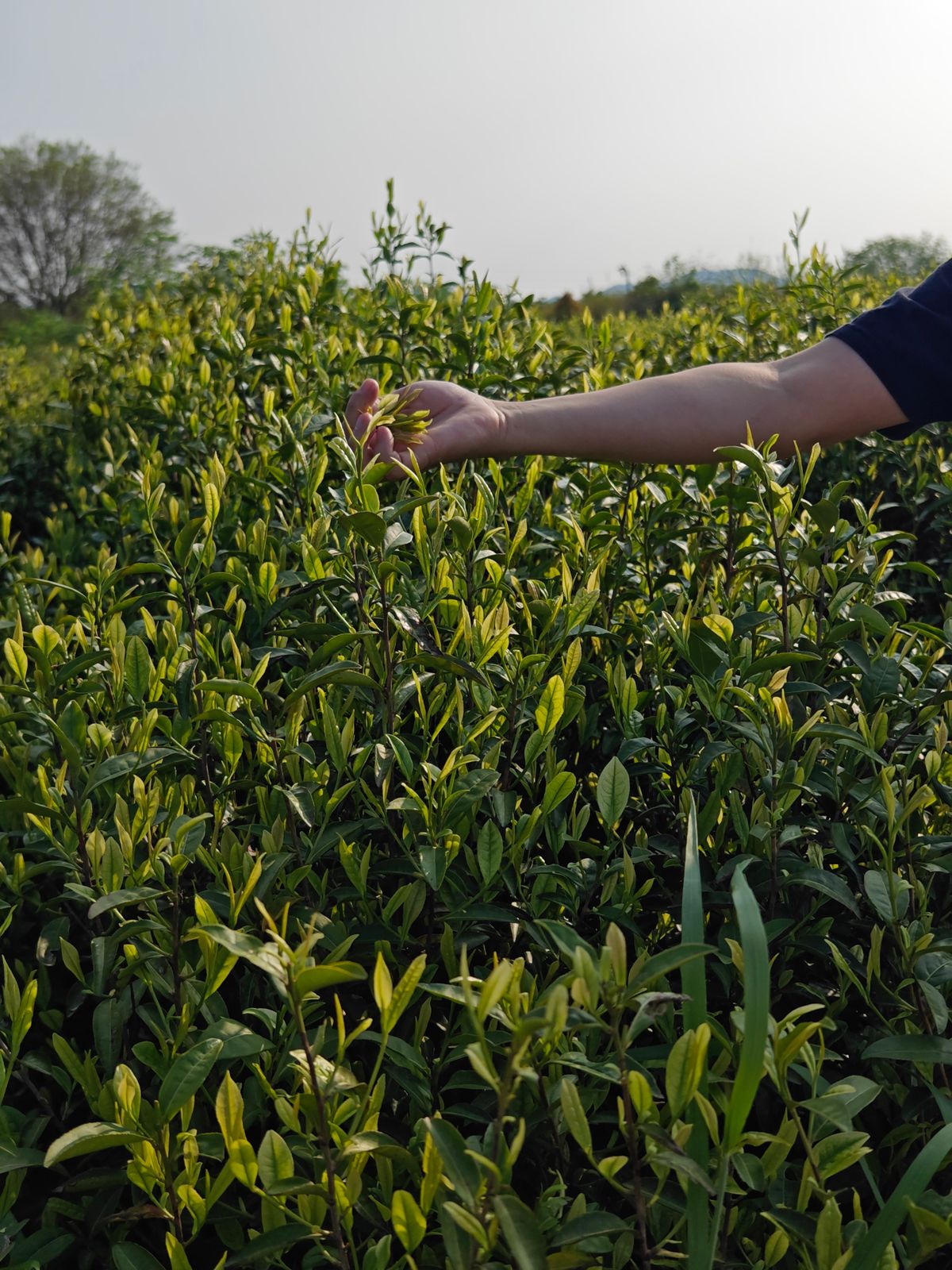
Four pluckings, and what each cup does
Darjeeling is not one tea. The same bush gives a different cup in March and in October, and the flush is the first thing on any honest label. Most shops sell three of the four.
| Flush | Months | In the cup | Buy it if |
|---|---|---|---|
| First flush | From late February, most of it in March and April | Pale, almost green liquor, floral and grassy, with a little astringency at the end | You drink tea without milk and like a light, brisk cup in the morning |
| Second flush | May and June | Copper liquor, fuller body, and the muscatel note the district is famous for | You want the cup Darjeeling is known for, and the one that keeps best |
| Monsoon or rain teas | July to September | Bigger leaf, darker and plainer; mostly sold into blends | You want an everyday tea that will take milk; ask for it by name and pay little |
| Autumn flush | October and November | Amber, rounder and softer, more herbaceous than spring but with a fuller body | You found first flush too thin and second too strong |
First flush is the one people fight over and the one that fades first. Second flush is the safer present. Autumn is the flush the trade drinks at home, and it is usually the best value on the shelf. Where the second flush comes from, and what a tasting room does, is on the Darjeeling page.
How to read the packet
A good Darjeeling packet tells you four things, and a bad one hides them. Look for the garden's name, not a district or a brand: Makaibari, Glenburn, Castleton, Margaret's Hope, Jungpana. Look for the flush and the year, because tea has a vintage. Look for a lot or invoice number, which is how the garden itself identifies that particular making, and which lets a merchant tell you what you are drinking. And look for a net weight with a packing date.
Then there are the letters, which alarm people unnecessarily. FTGFOP1 stands for Finest Tippy Golden Flowery Orange Pekoe, grade one. It describes the look of the dry leaf, not the taste: long unbroken leaf with a high proportion of golden tips, and the numeral 1 marks the top of that grade. Working down, TGFOP has less tip, GFOP less again, and plain OP is long wiry leaf without it. Below the whole-leaf grades come broken, then fannings, then dust, which are simply smaller pieces; they brew fast and strong and go into tea bags. A tippy grade means a careful pluck and a handsome leaf. It does not promise a better cup than a good broken-leaf lot from a better garden in a better week, and a shop that leans hard on the letters is usually selling you the leaf rather than the tea.
Garden name. Flush and year. A lot or invoice number. The round Darjeeling mark. If a tin gives you a mood and a mountain photograph instead of those four, put it down.
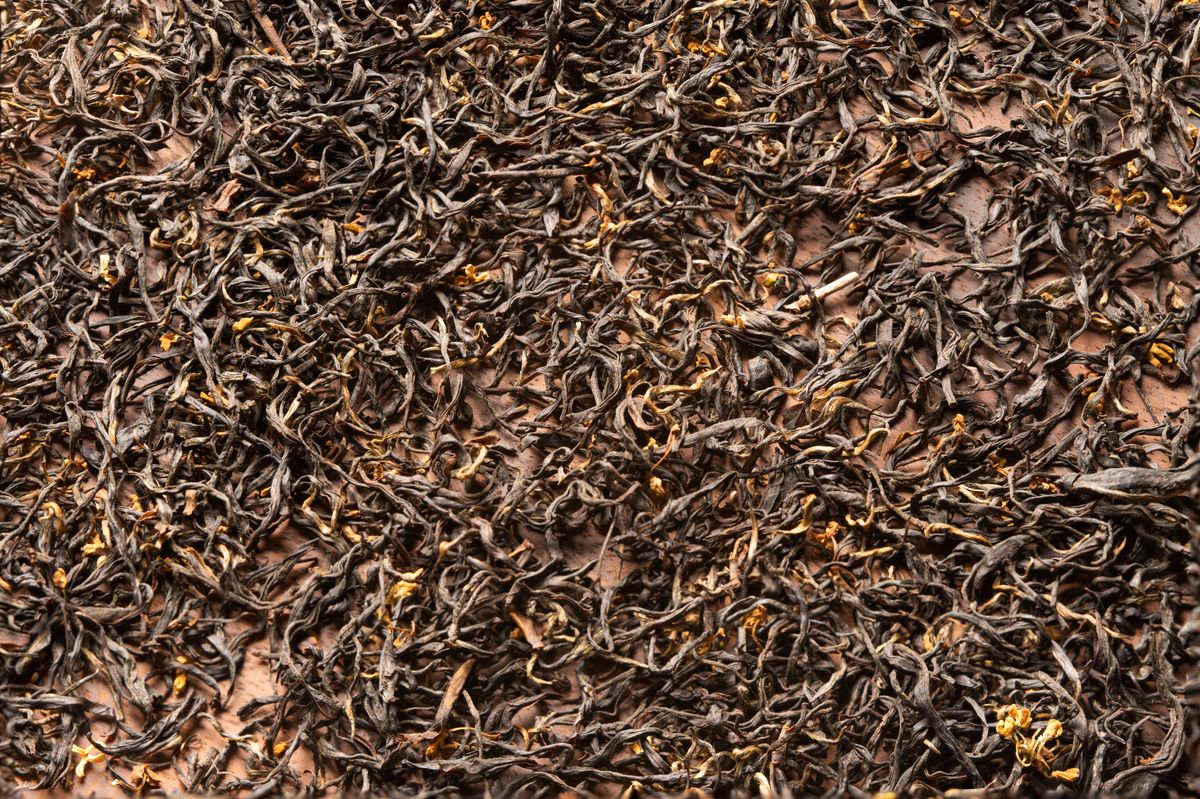
Genuine, or Darjeeling-ish
Darjeeling was India's first geographical indication, registered in 2004, and only the 87 estates the Tea Board recognises may sell their tea as Darjeeling. The Tea Board drew the round Darjeeling mark in 1983, a woman seen from the side with a bud and two leaves between her fingers, and registered it as a certification trade mark. Dealers who use it sign an annual licence, report what they buy and sell, and may not blend anything of another origin into it. That is the strongest signal you can get on a shelf.
What it does not cover is the wording around it. Darjeeling blend, Darjeeling flavour, Himalayan Darjeeling style: none of these is Darjeeling, and they are legal precisely because they do not claim to be. The same goes for a loose heap in a market labelled only Darjeeling, with no garden and no season. It may be perfectly pleasant tea. It is not what you came for, and it is often not from this district at all.
The simplest protection is to buy a named single-garden lot from a seller who will let you taste it first, and to buy at the garden or from a merchant whose name is on the door. That is also why tasting teaches more than reading. On The Planter's Week we set the estate's own teas against a merchant's lots from other gardens of the same season, in the same cups, on the same afternoon, which settles the question faster than any label.
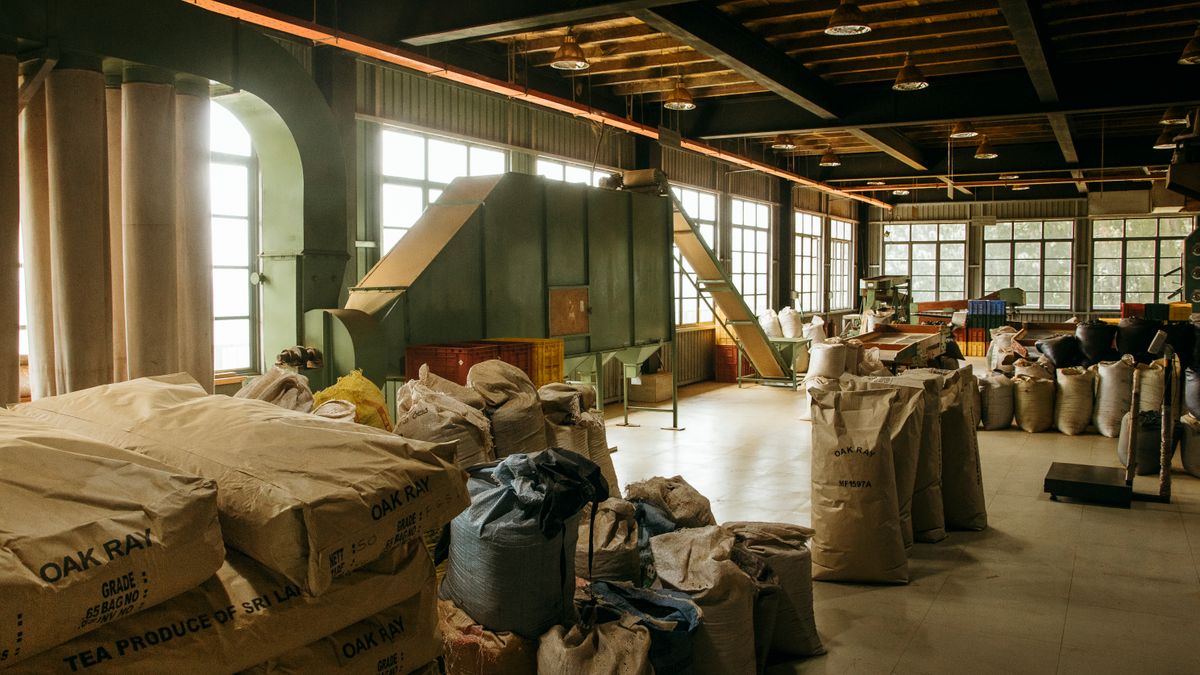
Where we actually buy
At the garden. If you are staying on an estate, the factory shop sells that season's lots and you will have tasted them that morning. It is the one place where the chain from bush to tin is a single room. The catch is choice: a garden sells its own tea and nothing else, and the lot you liked may be finished. Which gardens take guests, and what a night on one costs, is in our note on estate stays.
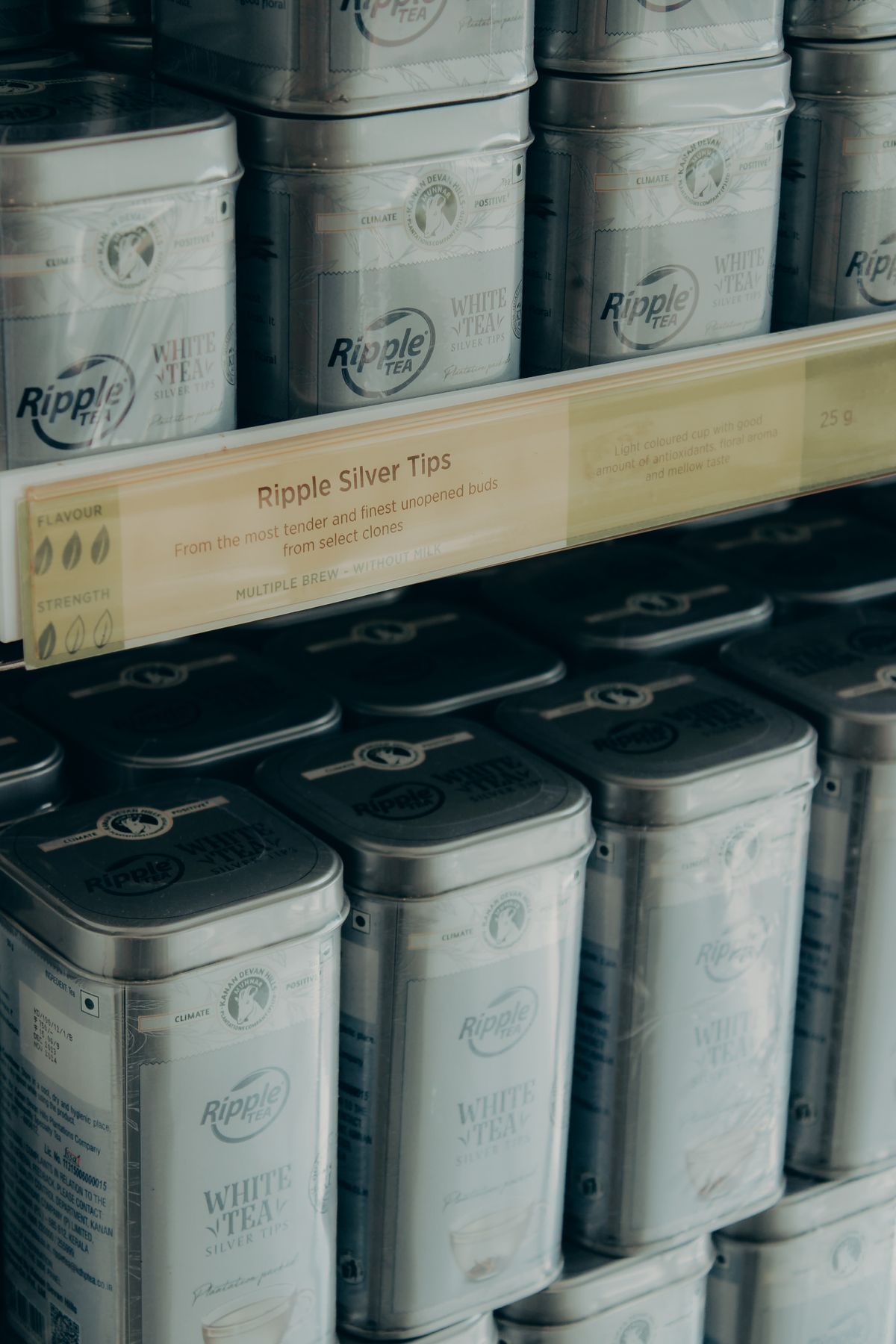
At a town merchant. In Darjeeling we use two old firms, for different reasons. Nathmull's, tea merchants since 1931, sit at The Rink Mall, 19 Laden La Road, opposite the GPO; they list their teas by flush and by estate, and they have posted tea by mail order since they opened, which matters if you want more than a cabin bag will hold. Golden Tips, on Nehru Road, has been selling since 1933 and is the easier shop to browse with children in tow. At either, ask for the flush you want, name two gardens, and ask to taste before you commit. A good merchant expects it.
At the market, for the tea we drink at home. Down in Chowk Bazaar, where the town buys its own vegetables, the stalls sell the plain strong leaf that goes into a hill kitchen's morning pot with milk and sugar. It is not a present. It is what this town actually drinks, and most shops there close on Thursdays.
What we would not do is leave it to the last hour at the airport, where you are buying a brand and a box rather than a garden and a week.
Getting it home still tasting of something
Tea is dry, which makes people careless with it. Four rules cover almost everything. Airtight, because leaf takes up moisture from the air. Dark and cool, because light and heat strip the aroma, so a cupboard rather than a windowsill or a shelf above the stove. Away from coffee, spices and anything else with a smell, since leaf absorbs those too. And not the refrigerator, unless the packet is still sealed as it came, because every time you take a cold tin into a warm room you condense water inside it.
Drink first flush within the year you buy it; it is the most delicate and it goes flat first. Second flush and autumn hold their character longer, and one to two years is a reasonable working life for either, depending on how you store it. Carry whole leaf in your cabin bag rather than the hold, where it gets crushed, and broken leaf brews a harsher cup than the one you paid for. If you buy pickles or achar in the same shopping, those go in the checked luggage.
One more garden, and it is not Darjeeling
Over the Rangeet in Sikkim, Temi was planted in 1969 by Palden Thondup Namgyal, the last Chogyal, and is still the state's only tea garden, run by the state government on about 177 hectares of Tendong Hill with some 400 workers. Three quarters of the crop goes to the Kolkata auction and the rest is packed for sale here. It went into organic conversion from 2005, it is good tea, and it may not call itself Darjeeling, because it is not in the district. Buy it at the garden's own counter, and The Tea Trail finishes at Temi on purpose, so that the last cup of the week is grown in a different state from the first.
If you would rather learn to taste before you spend anything, Kitchens of the Hills sits you down with a merchant on its second morning and pours the three seasons against each other. Tell us which of these you want in your week, and which month you can travel, and we will put the tasting and the shopping where they belong in the day.
Sources we checked for this note (10)
- Flushes and their character (first flush light with mild astringency, second flush muscatel, monsoon leaf larger and mostly for blending, autumn herbaceous and soft with a fuller body); 87 estates recognised by the Tea Board as Darjeeling producers; the Darjeeling logo created in 1983 showing a woman in profile holding two leaves and a bud; India's first GI protection in 2004 (checked 20 September 2026)
- Tea Board of India recorded 5.6 million kg of Darjeeling produced in 2024, while industry insiders claim at least three times that amount was sold as Darjeeling (checked 20 September 2026)
- First flush begins at the end of February at Glenburn and tea is made through to the end of November, which is why the table gives late February as the start of the first flush (checked 20 September 2026)
- The Tea Board registered the Darjeeling logo and the word Darjeeling as certification trade marks; dealers sign an annual licence agreement, must report production and sales, and may not blend tea of other origins
- Orthodox grade letters: OP long wiry leaf without tips, FOP some tips, GFOP more, TGFOP a high proportion of tip, FTGFOP the highest quality grade, the numeral 1 limited to the best leaves in that grade; broken, fannings and dust are progressively smaller pieces
- Nathmull's, established 1931, The Rink Mall, 19 Laden La Road, opposite the GPO, Darjeeling; teas listed by first, second and autumn flush and by estate; international mail order since it opened (read 20 September 2026)
- Golden Tips established in 1933, with its original store in Darjeeling; the Nehru Road shop is the one the site's Planter's Week visits
- Storing Darjeeling: an airtight container, away from direct sunlight and heat, not near coffee or spices, not refrigerated unless sealed; best drunk within one to two years depending on storage
- Temi Tea Garden: established 1969 by Palden Thondup Namgyal, the last Chogyal of Sikkim; the only tea garden in Sikkim and government-owned; about 177 hectares on Tendong Hill, 406 workers, about 75 per cent auctioned in Kolkata; organic conversion begun April 2005 (checked 20 September 2026)
- Chowk Bazaar, Darjeeling's lower market; most shops closed on Thursdays apart from bakeries
Checked September 2026.