Monsoon cloud pouring over a Darjeeling hill village of red and green roofs above terraced tea slopes

Seasons and festivals

When to visit Darjeeling, Sikkim and Bhutan

Month by month across Darjeeling, Kalimpong, Sikkim, Bhutan and Nepal: when the mountain shows, when the tea is plucked, which festivals fall when, and what the monsoon and December cold really mean.

In short

When is the best time to visit Darjeeling, Sikkim and Bhutan?

The best time to visit Darjeeling, Sikkim and Bhutan is mid October to mid December, when the monsoon has washed the air and Kanchenjunga shows on most dawns. March to May is the second season, with first flush tea and rhododendrons but more haze. January and February are cold, bright and quiet. June to September is the monsoon: Darjeeling takes about 650 mm of rain in July, roads slip and the peaks hide, while Bhutan's western valleys stay far drier.

Month by month

Where the hills are at their best, each month

Choose a month. The darker the cell, the better the weather and the clearer the mountain. Hatched cells are monsoon.

How good each month is in each destination, from our climate notes
Destination
Darjeeling Quiet: Coldest month, 2 °C nights; Maghe Sankranti mid monthQuiet: Cold and dry, the first leaf only late in the month; Losar at the gompasGood: First flush in full; Campbell's magnolias in flowerBest: First flush teas, mild days, spring haze buildsGood: Second flush starts; Buddha Jayanti at the full moonMonsoon: Monsoon arrives, about 420 mm, mist on the ridgeMonsoon: Wettest month, about 650 mm; Bhanu Jayanti on 13 JulyMonsoon: Heavy rain, deep green gardens, monsoon flushMonsoon: Rain easing late in the month, slips still likelyBest: The mountain returns; Dashain and Puja fill the townBest: Dry and sharp, autumn flush; Tihar, 7 to 11 NovemberGood: Driest month, 3.5 °C nights; carols, full after the 25th
Kalimpong Quiet: Coldest month, 7 °C nights, clear dry daysQuiet: Dry and crisp; the Flower Festival on the Mela Ground, mid February in 2026; Losar at the gompasBest: Warming fast, gardens coming into flowerBest: Mild days, some afternoon haze over the peaksGood: Warm, with pre-monsoon storms, 153 mm of rainMonsoon: Monsoon arrives, about 350 mm of rainMonsoon: Wettest month, about 630 mm; NH10 slidesMonsoon: Heavy rain, the warmest nights of the yearMonsoon: Rain easing, 330 mm, green and cloud-wrappedBest: Monsoon gone, the mountain returns; Dashain in every homeBest: Driest month, under 5 mm; Tihar lamps on the house stepsBest: Cool and clear, 9 °C nights; carols in Nepali, Namsoong in December or January
Gangtok & East Sikkim Quiet: Coldest month, 6 °C nights; Detor chaam at Enchey, Jan or FebQuiet: Cold and dry; Rumtek's Gutor chaam, then Losar (7 Feb 2027)Best: Clear mornings, 18 °C days, spring flowers beginGood: Rhododendrons bloom, afternoon storms buildGood: Rain most days, flowers at Tsomgo; Saga Dawa in May or JuneMonsoon: Monsoon sets in, about 650 mm, cloud on the ridgeMonsoon: Wettest month, 655 mm, NH10 slips are commonMonsoon: Heavy rain, orchids and moss; Tendong Lho Rum Faat, 8 AugMonsoon: Rain easing late; Pang Lhabsol, late Aug or early SepBest: Skies clear, the mountain returns; Dashain tika 21 Oct 2026Best: Under 40 mm of rain in the month; Tihar, 7 to 11 Nov 2026Good: Driest month; Kagyed dances, then Losoong, 9 to 13 Dec 2026
Pelling & West Sikkim Quiet: Coldest month, 1 °C nights; Kok Phekwa, Limbu new year, 14 JanQuiet: Cold and clear; the cham at Pemayangtse, then LosarGood: First rhododendrons; Bumchu at Tashiding, Feb or MarBest: Rhododendrons at Barsey, mild 18 °C daysGood: Warm and hazy, showers building by afternoonMonsoon: Monsoon sets in, the peaks hidden most daysMonsoon: Wettest month, about 900 mm, slips on valley roadsMonsoon: Heavy rain, waterfalls at full strengthMonsoon: Rain easing late; Pang Lhabsol falls Aug or SepBest: Skies clear; Dashain tika 21 Oct 2026; Chho-Tsho at the lakeBest: Dry and sharp; Tihar 7 to 11 Nov 2026; Chasok TangnamBest: Driest, sunniest month, 3 °C nights; Losoong and Namsoong
Bhutan Quiet: Coldest nights, dry clear days, frost at dawnQuiet: Punakha Tshechu 16 to 18 Feb 2027; cranes leave mid monthGood: Rhododendrons open; Paro Tshechu 18 to 22 Mar 2027Best: Warm days, Dochu La in flower; Ura Yakchoe from 18 AprGood: Warmer and greener, afternoon haze on the peaksMonsoon: Monsoon from mid month, about 14 wet daysMonsoon: Wettest month, about 150 mm over 19 daysMonsoon: Rain most afternoons until mid September, slips on the border roadGood: Rain eases from mid month, clear evenings returnBest: Clear skies, harvest gold; Thimphu Tshechu 10 to 12 Oct 2027Best: Driest month; cranes back, crane festival on 11 NovGood: Crisp and clear; Druk Wangyel at Dochu La on 13 Dec
Nepal Good: 3 °C mornings, valley fog, clear dry afternoonsGood: Dry and bright, the cleanest mountain mornings of winterBest: Warm walking days; Shivaratri at Pashupati on 6 Mar 2027Good: Bisket Jatra in Bhaktapur about 14 Apr, hazy 29 °C afternoonsQuiet: Hot, storms building; Buddha Jayanti on 20 May 2027Monsoon: Monsoon arrives, about 240 mm of rainMonsoon: Wettest month, about 380 mm, small aircraft slipMonsoon: Heavy rain, green valley, Gai Jatra and TeejMonsoon: Rain easing; Indra Jatra, the Kumari's chariot, 25 Sep 2026Best: Skies clear; Dashain Tika on 21 Oct 2026, peaks returnBest: Driest stretch; Tihar 7 to 11 Nov, Mha Puja 10 Nov 2026Good: 4 °C nights; Yomari Punhi on 24 Dec 2026, crisp days
BestGoodQuietMonsoon

January in the hills

  • DarjeelingQuietColdest month, 2 °C nights; Maghe Sankranti mid month
  • KalimpongQuietColdest month, 7 °C nights, clear dry days
  • Gangtok & East SikkimQuietColdest month, 6 °C nights; Detor chaam at Enchey, Jan or Feb
  • Pelling & West SikkimQuietColdest month, 1 °C nights; Kok Phekwa, Limbu new year, 14 Jan
  • BhutanQuietColdest nights, dry clear days, frost at dawn
  • NepalGood3 °C mornings, valley fog, clear dry afternoons

Journeys at their best in January

The year in four parts

Four seasons in the hills

The hills run on two clocks: the monsoon, which decides whether you see the mountain, and the tea bush, which decides what is in your cup. These seasons describe Darjeeling and Sikkim; Bhutan and Nepal keep the same broad pattern, with a lighter monsoon in Bhutan's western valleys.

Kanchenjunga's snow peaks catching pink first light above dark forested ridges, seen from Pelling

The calendar

Festivals and natural moments, month by month

Buddhist, Hindu and Newar festivals follow lunar calendars, so most move by a few weeks from one year to the next. Where a date is published we give it; otherwise we give the month it usually falls in, and we check the year's dates before we build your days around one.

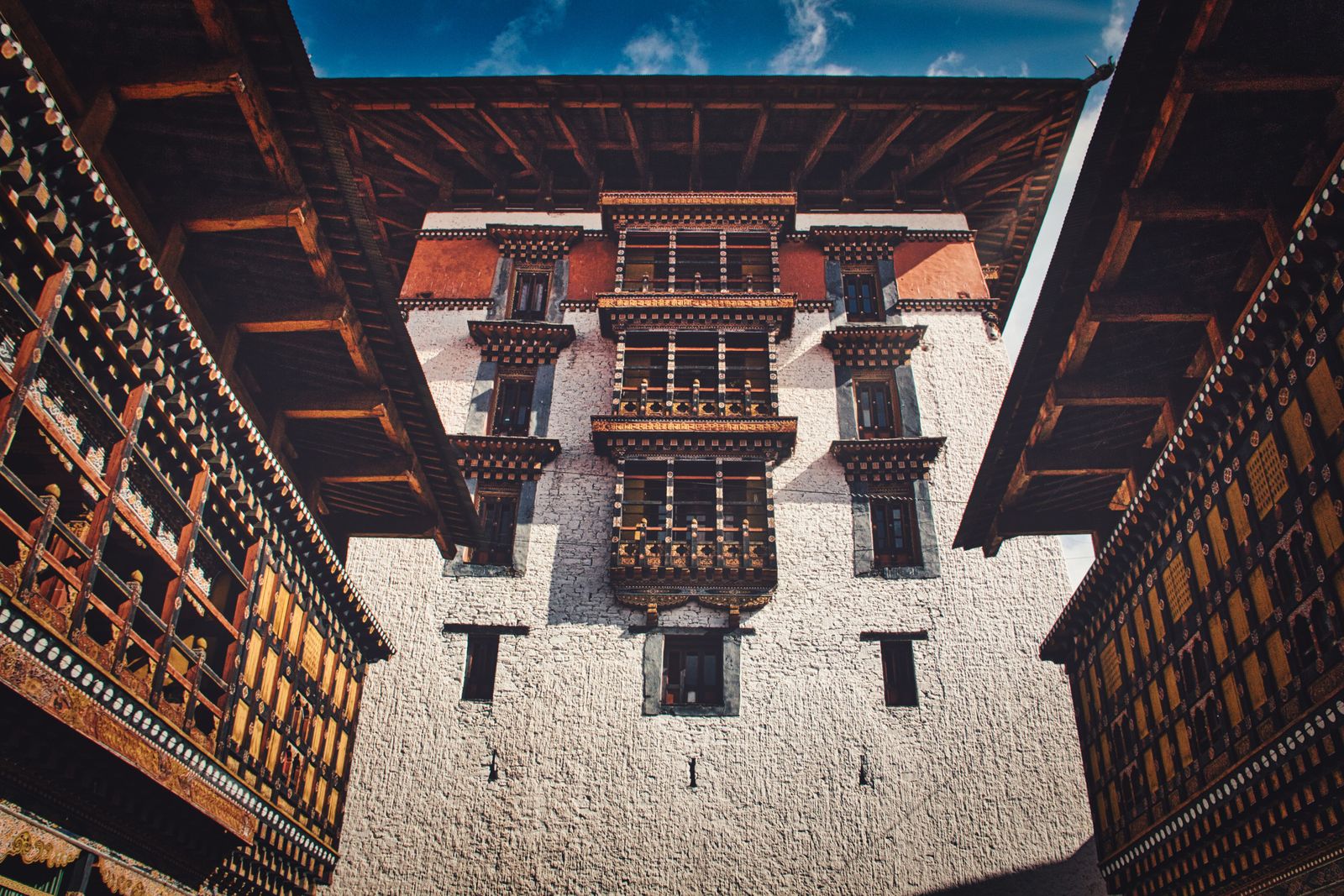
The whitewashed central tower of Rinpung Dzong in Paro framed by dark carved timber galleries
Setu Chhaya / Pexels
  1. Jan
    • Maghe Sankranti fairJorethang, South Sikkim

      Usually around 14 January, when the Nepali month of Magh begins: a fair on the bank of the Rangeet held every year since 1961, easy to fold into a winter stay at Pelling or Darjeeling.

  2. Feb
    • Losar, the Tibetan new yearMonasteries across Sikkim and Kalimpong

      Usually February or early March. Pemayangtse holds masked dances on the 28th and 29th days of the old year's last month, and families carry khadas and butter lamps to the monasteries of Gangtok and Pelling.

    • Kalimpong Flower FestivalMela Ground, Kalimpong

      Two days of the town's flowers and nurseries on the Mela Ground in mid February, on 14 and 15 February in 2026. The district sets the dates each year, and it pairs well with a quiet winter week on the ridge.

    • The tea gardens wakeDarjeeling, Kurseong, Glenburn

      Plucking stops in December and starts again in late February, as the pruned bushes put out their first tender shoots. The last week of February is the earliest chance of the year to watch the pluckers at work.

  3. Mar
    • Bumchu at TashidingTashiding Monastery, West Sikkim

      Usually February or March, on the 14th and 15th days of the first Tibetan month. Monks open a sacred vase of water and read its level as the fortune of the coming year, and pilgrims walk in from across Sikkim.

    • First flushDarjeeling tea gardens

      From March into April the first pluck gives light, floral teas with a pale gold cup. Factories start early in the day, and tasting the new leaf beside last autumn's shows you what the fuss is about.

    • Paro TshechuRinpung Dzong and Deyangkha, Paro

      Five days of masked dances, usually in March or early April, closing before dawn on the last day with the great thongdrel raised on its wall. 2027 is published as 18 to 22 March, though operators disagree, so we confirm with the district.

  4. Apr
    • Rhododendron bloomBarsey, Dochu La and Yumthang

      Tree rhododendrons open from mid March at Barsey on the Singalila ridge and usually peak there by late April. The forest behind Dochu La turns red and pink in April, and the Yumthang road in North Sikkim flowers into May.

    • Bisket JatraTaumadhi, Bhaktapur

      The Nepali solar new year, around 14 April. Bhaktapur's upper and lower town pull Bhairava's chariot against each other in a tug of war at Taumadhi, and a pole of about 25 m is raised with red banners.

    • Rato MachhindranathPulchowk to Jawalakhel, Patan

      A chariot built at Pulchowk is pulled through Patan's streets for about a month from a lunar date in spring. It ends at Jawalakhel with Bhoto Jatra, when a jewelled vest is held up from all four sides.

  5. May
    • Second flushDarjeeling tea gardens

      May and June bring the fuller, coppery second flush, the tea whose muscatel character made Darjeeling's name. Showers build most afternoons, so plan factory mornings and tastings rather than mountain dawns.

  6. Jun
    • Saga DawaTsuklakhang and the streets of Gangtok

      The full moon of the fourth Tibetan month, usually late May or June, marks the Buddha's birth, awakening and passing. Monks carry the scriptures in procession from Tsuklakhang through Gangtok, and butter lamps burn in every gompa.

    • Parks close for the monsoonSingalila, Neora Valley, the Dooars

      West Bengal's protected areas close from 16 June to 15 September, Singalila, Neora Valley and Jaldapara among them. Treks to Sandakphu, red panda walks and rhino safaris wait for the autumn.

  7. Jul
    • The monsoon flushDarjeeling and Glenburn

      The gardens keep plucking between the downpours, and the estates stay open, green and quiet. The mountain rarely shows in July, and the roads up from the plains can close for a day or more after heavy rain.

  8. Aug
    • Pang LhabsolTsuklakhang, Gangtok

      Usually late August or September, on the 15th day of the seventh Tibetan month. Sikkim honours Kanchenjunga as its guardian with the Pangtoed chaam, recalling the Lepcha and Bhutia brotherhood sworn with the mountain as witness.

  9. Sep
    • Indra JatraKathmandu Durbar Square

      Eight days of the Newar festival for Indra, with the Kumari carried through the old city in her chariot. The main day falls on 25 September in 2026 and 14 September in 2027.

    • Thimphu TshechuTashichho Dzong, Thimphu

      Three days of masked dances in the dzong courtyard, usually in September or early October, with families in their best gho and kira. Rooms in Thimphu and seats on the Paro flights go early for festival week.

  10. Oct
    • DashainDarjeeling, Sikkim and Nepal

      The longest Nepali festival, fifteen days that end at the full moon. In 2026 Ghatasthapana falls on 11 October and the Tika day on 21 October, when elders give red tika and blessings; Durga Puja fills the same weeks.

    • Kanchenjunga's clearest weeksTiger Hill, Deolo and Pelling

      From mid October to mid December the air is dry and the range stands clear on most mornings from first light. December is the driest month on these ridges, with about six hours of sun a day at Pelling.

    • Autumn flushDarjeeling tea gardens

      October and November bring the mellow, darker autumn teas, and plucking carries on until late November. It is the last season of the year to follow the leaf from the bush through the factory.

  11. Nov
    • TiharDarjeeling, Kalimpong and the Kathmandu valley

      Five days of lamps in late October or November: crows, dogs, cows and oxen honoured in turn, then Bhai Tika. In 2026 it runs from 7 to 11 November, with Laxmi Puja, Diwali in the plains, on 8 November. In the Kathmandu valley, 10 November is also Mha Puja, the Newar new year.

    • Black-necked cranes returnPhobjikha valley, Bhutan

      The cranes fly in from the Tibetan Plateau in late October and stay until mid February. Gangtey Goenpa holds its Black-necked Crane Festival every year on 11 November, the Fourth King's birthday, when schoolchildren dance as cranes in the courtyard.

  12. Dec
    • Losoong and the Kagyed dancesTsuklakhang and Rumtek, Gangtok

      The Bhutia new year, on the 18th day of the tenth Tibetan month: in 2026 Sikkim keeps Losoong from 9 to 13 December. The Kagyed masked dances at Tsuklakhang and Rumtek come just before it, to close the old year.

    • Druk Wangyel festivalDochu La, Bhutan, 3,100 m

      A one-day festival of masked dances on 13 December among the 108 chortens of Dochu La, with the winter range behind when the sky is clear. It pairs well with crane evenings in Phobjikha.

    • Christmas in the hillsDarjeeling and Kalimpong

      Carols in English and Nepali, a lit Chowrasta and plum cake at Glenary's. The towns stay calm until the 25th and fill in the week after, so the days just before Christmas are the ones to be here.

    • Yomari PunhiKathmandu valley

      The full moon of Thinla, on 24 December in 2026. Newar kitchens steam yomari, dumplings of new-harvest rice flour shaped like fish and filled with cane sugar and sesame.

Beyond the six places

Treks, parks and high valleys keep their own seasons

The month chart above covers the six places most journeys stay. These run to calendars of their own: a high road that snow can close, a park shut for the rains, a valley that waits for the cranes.

DestinationBest monthsWhy thenThink twice
Tsomgo Lake and Nathu LaOct to Dec; Apr to MayClear air in autumn; the lake frozen hard in January and in flower after mid MaySnow can shut Nathu La from December; Nathu La is for Indian citizens only
North Sikkim: Lachung, YumthangApr to May; Oct to NovRhododendron along the Yumthang road in spring; clear skies in autumnLate Dec to Feb: snow can close the north road
Zuluk and the Old Silk RouteOct to mid Nov; Apr to MayDry roads and Kanchenjunga at dawn from the high switchbacksDec to Mar: snow can close the road above Zuluk
Singalila Ridge, SandakphuOct to Nov; Mar to MayEverest, Lhotse, Makalu and Kanchenjunga on one horizon in autumnPark closed 16 Jun to 15 Sep
Goecha La trekMid Oct to late Nov; Mar to mid MaySettled weather after the rains; rhododendron and magnolia in springDec to Feb snow at the high camps; monsoon leeches
Phobjikha, BhutanNov to mid FebBlack-necked cranes winter on the marshLate Feb to Oct: the cranes are in Tibet
PokharaOct to early Dec; Feb to AprThe Annapurnas from the lodge verandahsMid Jun to mid Sep: cloud hides the range, and the Pokhara lodge we use closes
LumbiniOct to Nov; Feb to MarWarm, clear days at the Maya Devi TempleApr to early Jun passes 36 °C; Dec and Jan fog
Jaldapara, the DooarsNov to AprParks open and the grass short enough to see rhinoMid Jun to mid Sep: parks closed

June to September

The monsoon, honestly

The rains arrive in June and stay until late September. Darjeeling averages about 420 mm in June and 650 mm in July, Gangtok is much the same, and the peaks sit behind cloud on most days. The real cost is the road: slides closed NH10 at Sevoke in June 2026 and cut NH110 near Kurseong the same month, and one closed road can cost you a day.

If these are your only weeks, come, but plan for the rain: fewer places and longer stays, a spare day in the plan, half a day of slack before any flight out of Bagdogra, and a house where rain is part of the pleasure, such as a tea estate that plucks right through the season. The monsoon flush comes off the bushes between downpours, the gardens are at their greenest, and the leeches are out on the forest paths. West Bengal's national parks shut from 16 June to 15 September, and we run no treks.

Bhutan is the better monsoon choice. Thimphu's wettest month averages about 150 mm, under a quarter of Darjeeling's July, and it tends to fall in the afternoons. Paro flights are delayed more often, so we keep every connection loose. How we drive in these months is set out under On the road.

Mist drifting over the Teesta between the steep forested walls of its gorge at Sevoke, North Bengal
Boudhayan Bardhan / Unsplash

December to February

December cold and how we handle it

Winter here is dry cold, not snow in the streets. Darjeeling averages about 3.5 °C at night in December and under 2 °C in January, Pelling falls to 1 to 3 °C, Kalimpong, 800 m lower, stays near 7 to 9 °C, and Thimphu drops below freezing. Days are often bright, between 11 and 18 °C. Snow falls on the passes: Nathu La, the road above Zuluk and North Sikkim can close, and Tsomgo freezes hard.

The harder part is indoors. Many older hill houses have no central heating, so we book rooms with fireplaces or heaters, ask for fires laid and hot-water bottles in the beds, and check heating and hot water before you arrive. Glenburn, low in the Rangeet valley, reports winter nights of 7 °C or more.

Pack a down jacket, hat and gloves for dawn at Tiger Hill, and warm socks for monastery floors, where shoes come off. The towns fill between Christmas and New Year, and Windamere adds 25 percent to its tariff on 24, 25, 26 and 31 December.

Kanchenjunga lit gold at first light above the rooftops of Darjeeling on its forested ridge
Ali Hasan Bin Gursain / Unsplash

Questions

When to go, answered straight

Which places are at their best in May?

North Sikkim and Bhutan. The Yumthang road flowers into May, Tsomgo is in flower after mid May, and Bhutan's western valleys stay mild and dry until the rains in mid June. Darjeeling has the second flush, but haze often hides the range by breakfast, and Indian school holidays fill Darjeeling and Gangtok from May. Lumbini passes 36 °C, so leave it for the winter.

Is December a good time to visit Sikkim?

Yes, if you pack for cold. December is the driest month in Gangtok and Pelling, and the mountain is out on most mornings. Nights fall to about 7 °C in Gangtok and 3 °C in Pelling. Snow can close Nathu La and, from late December, the roads to North Sikkim and above Zuluk, so a winter plan keeps a second morning in reserve. Losoong runs from 9 to 13 December in 2026, with the Kagyed dances just before it.

Can you visit Bhutan during the monsoon?

Yes, and it is gentler than Sikkim. July, Thimphu's wettest month, averages about 150 mm of rain over 19 days, mostly in the afternoons, against about 650 mm in Darjeeling. Mornings are often good for dzongs and valley walks, but Paro flights are delayed more often, slides can close the Phuentsholing road and the passes sit in cloud. We fly you in rather than drive, and keep every connection loose.

Which month gives the best mountain views?

November, with late October and early December close behind. The monsoon has cleared the dust, rain is rare, and the range usually shows from first light until mid morning at Tiger Hill, Deolo and Pelling. From February the haze builds, and by May it often hides the peaks by breakfast. We plan at least two dawns wherever the view matters, and three where the mountain is the reason for the trip.

When do the gardens pluck, and when do they rest?

Plucking stops in December and restarts with the first flush in late February. The first flush, light and floral, runs through March and April; the second flush follows in May and June, the monsoon flush through the rains, and the autumn flush in October and November. From December the pruned bushes rest and the factories fall quiet, so a journey built around tea belongs in spring or autumn.

When are Darjeeling and Gangtok most crowded?

In the Durga Puja and Diwali weeks of October and November, between Christmas and New Year, and in the school holidays of May and June. Good rooms, toy train seats and Tiger Hill tokens go first in those weeks. Write early, how far ahead is set out on our planning page, and expect earlier starts on the days that matter: Tiger Hill before the jeep queue, Chowrasta before the shops open. Kalimpong and the tea estates stay calm when the towns are full.

Is January or February worth it?

Yes, for travellers who like cold, clear and quiet. Skies stay dry, the mountain shows on many mornings, the lanes are empty after New Year and Phobjikha's cranes stay until mid February. The trade is nights near freezing in Darjeeling and Pelling, bare tea bushes until late February, and snow that can close Nathu La, North Sikkim, the upper Silk Route, the Sandakphu track, Chele La and the Tsomgo road.

Is a July or August trip worth making at all?

Yes, if it is the right kind of trip. Plan one or two places, not five: a tea estate that plucks through the rains, Kalimpong, or Bhutan's western valleys, which take under a quarter of Darjeeling's July rain, most of it in the afternoons. Leave out treks, West Bengal's parks, which are shut for the rains, and anything that depends on a clear dawn, and keep a spare day and an afternoon flight home.

Sources we checked for this page (41)
  1. Darjeeling IMD 1991 to 2020 normals: December mean minimum 3.5 °C, January 1.7 °C, July rain 648.5 mm, June about 420 mm, December rain 2.8 mm
  2. Gangtok IMD 1991 to 2020 normals: July about 655 mm, two wet days in November, December minimum about 7 °C
  3. Thimphu climate normals 1996 to 2017: July about 150 mm over 19 rain days, January minimum about -2 °C
  4. Kalimpong: November under 5 mm of rain, January nights about 7 °C, July about 630 mm
  5. Darjeeling tea flush seasons: first flush spring, second flush May and June, monsoon and autumn flushes
  6. Glenburn: no plucking December to early February, clearest views October to December, winter nights not below 7 °C
  7. Paro Tshechu 2027 listed as 18 to 22 March; thongdrel raised before dawn on the last day
  8. Paro Tshechu 2026 ran 29 March to 2 April
  9. Thimphu Tshechu 2026 listed as 21 to 23 September at Tashichho Dzong
  10. Tihar 2026: Kag Tihar 7 November, Kukur Tihar and Laxmi Puja 8 November, Bhai Tika 11 November
  11. Dashain 2026: Ghatasthapana 11 October, Vijaya Dashami Tika 21 October, ending at Kojagrat Purnima
  12. Losoong falls on the 18th day of the 10th Tibetan month, usually December, with chaam at Tsuklakhang and Rumtek
  13. Tsuklakhang hosts Pang Lhabsol in September and Kagyed in December
  14. Pang Lhabsol on the 15th day of the 7th Tibetan month, late August or September, with the Pangtoed cham at Tsuklakhang
  15. Saga Dawa on the full moon of the fourth month, late May or June, with a procession from Tsuklakhang through Gangtok
  16. Bumchu at Tashiding on the 14th and 15th days of the first Tibetan month, February or March
  17. Pemayangtse cham on the 28th and 29th days of the 12th Tibetan month
  18. Maghe Sankranti fair at Jorethang about 14 January, held since 1961
  19. Barsey rhododendrons bloom March to May
  20. Black-necked cranes arrive in Phobjikha in late October and leave in mid February
  21. Dochu La: 108 chortens, 3,100 m, Druk Wangyel festival on 13 December
  22. West Bengal protected areas closed 16 June to 15 September 2026
  23. Windamere Christmas Week 18 December to 1 January, 25 percent surcharge on 24, 25, 26 and 31 December
  24. NH10 blocked by landslides at Sevoke on 27 June 2026
  25. June 2026 Mahanadi landslide cut NH110 between Siliguri and Kurseong
  26. Kathmandu climate normals 1991 to 2020: July about 380 mm
  27. Second source for Tihar 2026 (7 to 11 November, Laxmi Puja 8 November, Bhai Tika 11 November) and Dashain 2026 (Ghatasthapana 11 October, Vijaya Dashami 21 October)
  28. Indian Railways advance reservation period of 60 days from 1 November 2024
  29. Kalimpong Flower Festival 2026 at the Mela Ground on 14 and 15 February (District Magistrate, Kalimpong, cited by the Kalimpong reviewer)
  30. Bisket Jatra at Bhaktapur and Thimi around 14 April, the solar new year; tug of war at Taumadhi; a pole of about 25 m raised
  31. Rato Machhindranath Jatra begins on the 4th day of the bright fortnight of Bachhala; the chariot, built at Pulchowk, is pulled through Lalitpur for about a month to Jawalakhel; Bhoto Jatra shows the jewelled vest from four sides
  32. Indra Jatra, an eight-day Newar festival for Indra: main day Friday 25 September 2026 and Tuesday 14 September 2027 (checked 20 September 2026)
  33. The Kumari is paraded in her chariot during Indra Jatra
  34. Yomari Punhi on 24 December 2026
  35. Yomari: new-harvest rice flour dough shaped like fish, filled with brown cane sugar and sesame, steamed; full moon of Thinla
  36. Mha Puja on Kartika Shukla Pratipada, the Nepal Sambat new year, the day after Laxmi Puja (10 November 2026 per the 2083 BS patro used on Lights of Tihar and Three Royal Cities)
  37. Losoong/Namsoong 2026 in Sikkim: 9 to 13 December
  38. Black-necked Crane Festival every year on 11 November at Gangtey Goenpa, begun by RSPN in 1998; children dance in crane costumes
  39. Jigme Singye Wangchuck, the Fourth King, born 11 November 1955
  40. The Pokhara lodge closes from mid June (Kathmandu, Pokhara and the Annapurnas, avoid months)
  41. Snow can shut the Sandakphu track, Chele La and the Tsomgo road in January and February (moved from /plan/questions/)

Checked September 2026. We confirm every rule, fee and flight again for your dates.

Plan my journey

Tell us which weeks you can travel

Send the weeks you have and who is coming, and the reply names the places at their best in those weeks and the festivals that fall inside them.

+91 86178 24110 Message a designer Support 24×7, every day of your journey
With country code if outside India. Either this or email is enough.
Who is coming, the pace you like, the occasion. A sentence is fine.
Add more detail
Their ages help: add them in your note
Permits in Sikkim and fees in Bhutan depend on it
A week in the hills starts around ₹1.4 lakh per person, and Bhutan around ₹3.25 lakh.
Calls from our office, 8am to 9pm IST (GMT+5:30)
Darjeeling, Kalimpong, Gangtok, Pelling, Bhutan, Nepal

No deposit to begin, and nothing is booked until you say yes.