
Wildlife, birds and flowers
Rhinos, red pandas and winter cranes
Journeys for people who travel for animals, birds and flowers, each set in the weeks when the odds are best, with a naturalist or forest guide and a plan for the mornings luck runs out.
- 3private journeys
In short
What is the best wildlife trip from Darjeeling?
For most people, Rhinos and Tea. Jaldapara holds India's second-largest population of one-horned rhinos, they are seen regularly from its open jeeps, the walking is light and children from five manage it. Choose Red Pandas and Rhododendrons for spring forest and birds on foot, knowing a wild red panda is rare, and The Cranes of Phobjikha for a frosty winter week in Bhutan.
Let the month choose for you. Winter sends you to the rhinos or the cranes and spring to the forest in flower, and nothing here runs in the monsoon, when West Bengal's parks shut and the cranes are back on the Tibetan Plateau. When each animal or flower is at its best, below the journeys, gives the weeks, the closed days and the honest odds.
Then choose by legs and by cold. Rhino days are spent sitting in an open jeep, about 90 minutes at a time, with a long rest at midday. The red panda country asks for one 8 km walk to about 3,000 m, early starts and simple rooms at the forest's edge. The cranes ask for patience at dawn in hard frost, with three nights near 2,900 m.
For a family, the plains come first: the safaris are short and the middle of each day is free. The forest walk and the crane valley ask more of children, as the questions below set out.
Passports matter less than you might expect. Jaldapara needs only an Indian visa. The red panda route crosses into West Sikkim, so foreign and OCI guests need the online Sikkim permit about 30 days ahead, and Barsey and Neora write their own permits on the day. Bhutan asks for a visa and its nightly fee.
What you come for
The panda, the bloom and the crane
Three subjects, three seasons, three very different mornings.
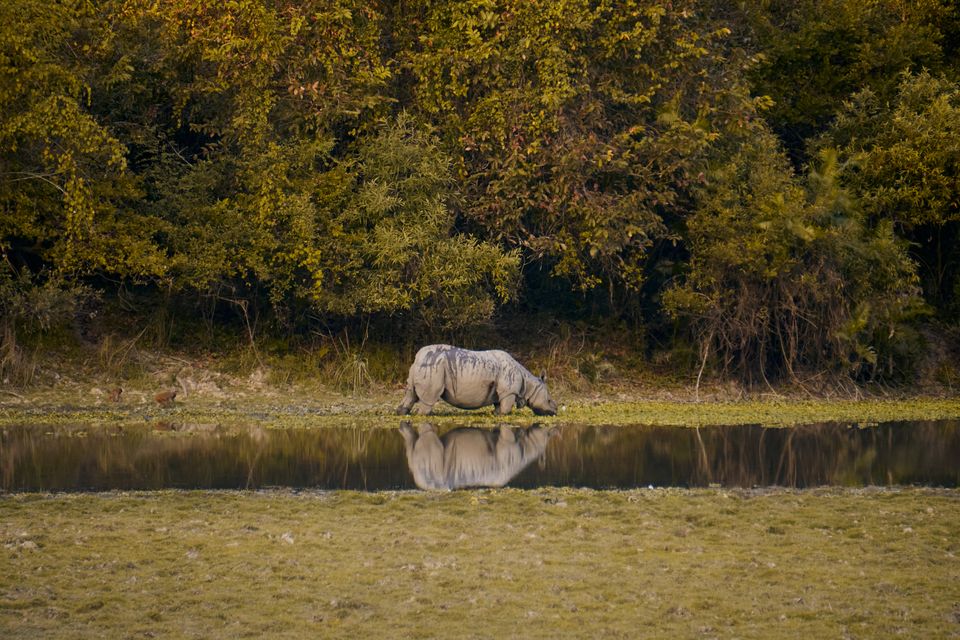
A rhino feeding at a pool's edge: the Dooars rhinos feed in the first safari hourMr Junaid / Pexels 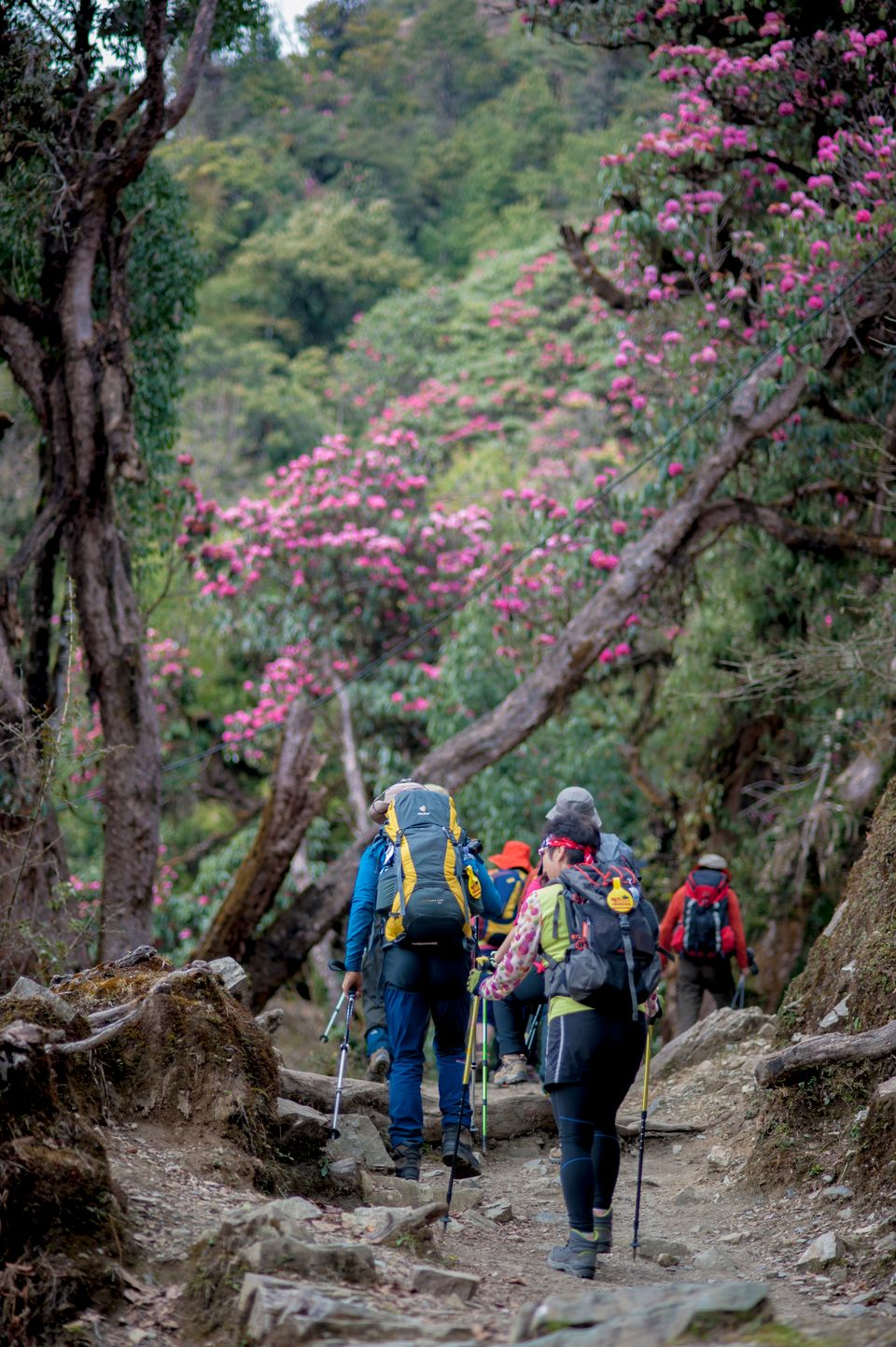
Walkers under tree rhododendrons in full flower, from mid-March into AprilSherine / Pexels A Bhutan valley floor of marsh and fields, where the cranes winter back from the Tibetan PlateauRaul Taciu / Unsplash

Choose by
Three journeys, side by side
| Starts in | Best months | ||||
|---|---|---|---|---|---|
| The Cranes of Phobjikha | 7 | Paro | About 4.5 h | November to mid February | ₹8,25,000 |
| Red Pandas and Rhododendrons | 6 | Darjeeling | About 6 h | Mid-March to early May (bloom peaks mid-March to late April) | ₹95,000 |
| Rhinos and Tea | 5 | Jaldapara (Dooars) | About 5 h | November to April | ₹90,000 |
 Winter wildlife journey
7 nights
Winter wildlife journey
7 nights
The Cranes of Phobjikha
Paro1Thimphu1Gangtey (Phobjikha valley)3Punakha2
Winter with the black-necked cranes: frosty dawns above the Phobjikha roost, then warm Punakha to finish.
 Spring naturalist journey
6 nights
Spring naturalist journey
6 nights
Red Pandas and Rhododendrons
Darjeeling1Okhrey (West Sikkim)2Lava (Kolakham)2Kalimpong1
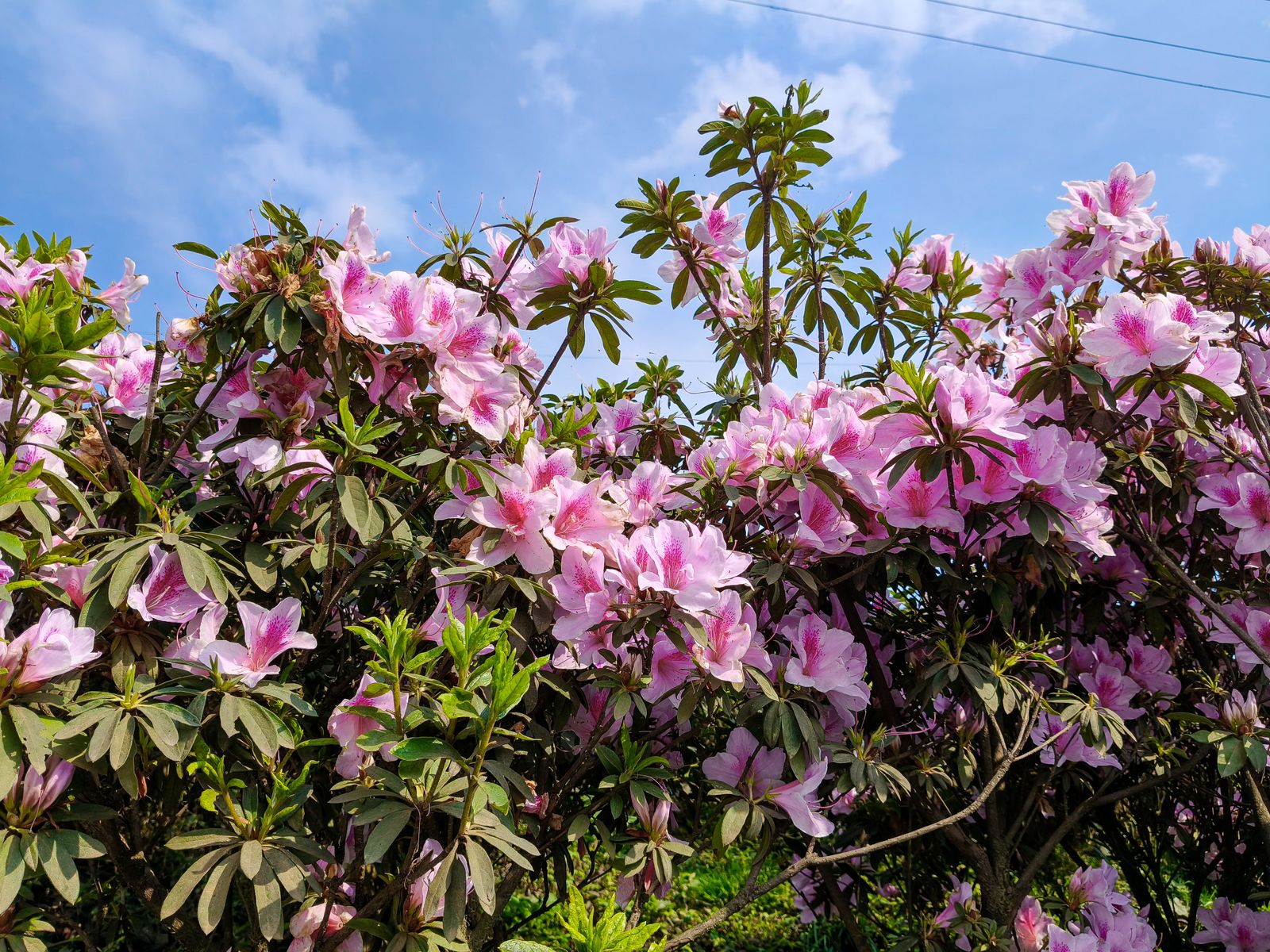
Barsey in bloom, Neora's bamboo from the first jeep, a naturalist beside you: six spring nights, told plainly
 Family wildlife journey
5 nights
Family wildlife journey
5 nights
Rhinos and Tea
Jaldapara (Dooars)2Kalimpong1Darjeeling2
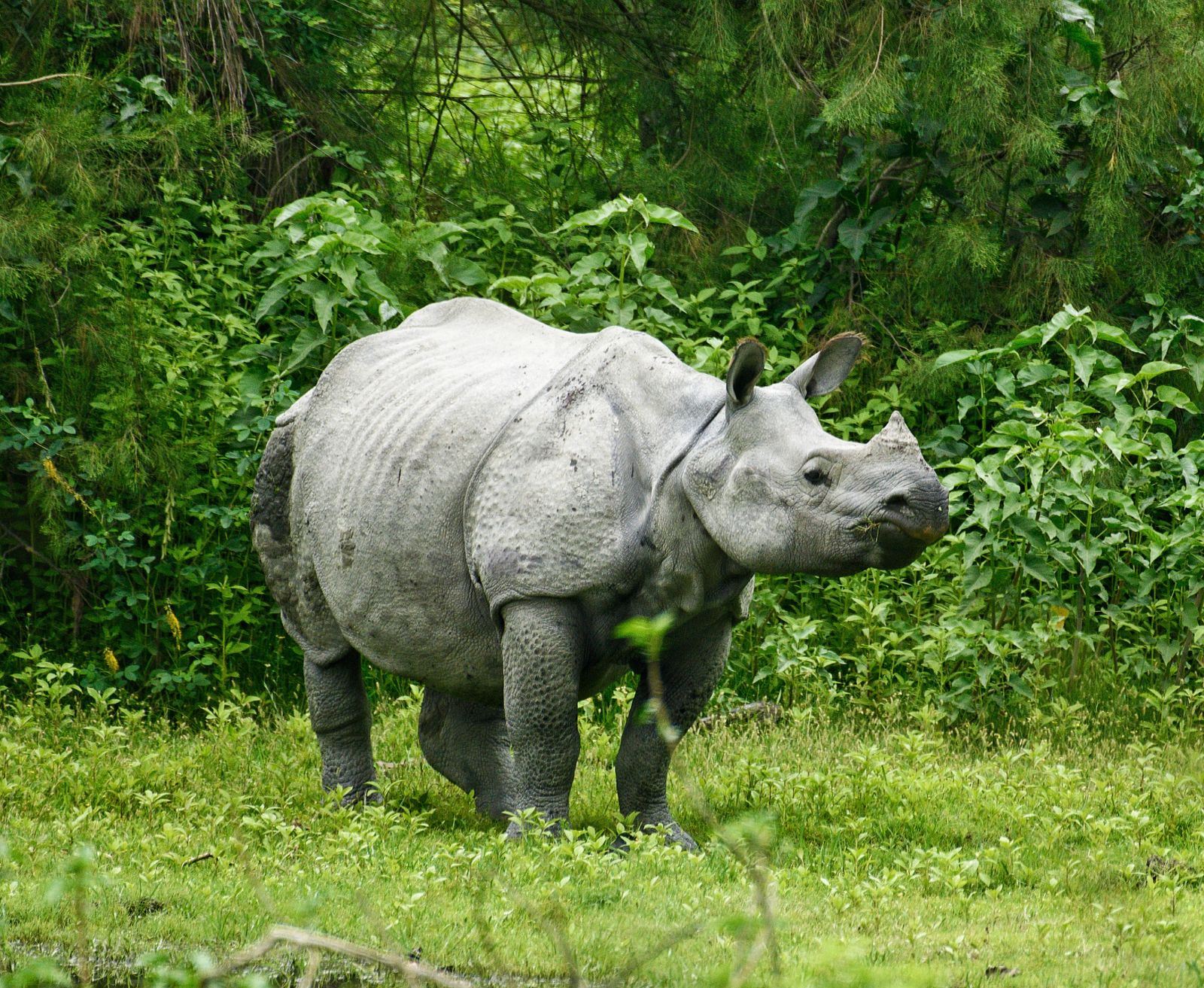
One-horned rhinos at dawn in Jaldapara, then up through the tea to Kalimpong and Darjeeling
A naturalist's calendar
When each animal or flower is at its best
Best weeks, closed weeks and the journey that goes there.
| What you come for | Where | At its best | Closed or absent | Journey |
|---|---|---|---|---|
| One-horned rhino | Jaldapara National Park, the Dooars | December to March: short grass, clear mornings | 16 June to 15 September, and every Thursday; tall grass in late September and October | Rhinos and Tea |
| Rhododendrons in bloom | Barsey, West Sikkim | Mid-March to late April, lasting into May | No bloom from June to February; a late snow can delay it by weeks | Red Pandas and Rhododendrons |
| Forest birds | Barsey and Neora Valley | March to May, when they are most active | Neora Valley closed 16 June to 15 September | Red Pandas and Rhododendrons |
| Red panda in the wild | Neora Valley National Park | Around dawn and dusk; rarely seen by day | Closed 16 June to 15 September | Red Pandas and Rhododendrons |
| Red panda, captive-bred | Padmaja Naidu Himalayan Zoological Park, Darjeeling | Any open day, 08:30 to 16:00 | Closed on Thursdays | Red Pandas and Rhododendrons |
| Black-necked crane | Phobjikha valley, Bhutan | December and January; the crane festival on 11 November | Late February to October, on the Tibetan Plateau | The Cranes of Phobjikha |
Honest about luck
When the animal does not show
No wild animal keeps an appointment, so each wild hour here sits beside something certain.
- At JaldaparaThree safaris over two days, the third optional, then a Dooars tea garden on the way up to the hills. We do not book the elephant rides the forest department still offers.
- In red panda countryThe zoo's captive-bred pandas come first, so the Neora morning is for birds, deer and fresh signs with your naturalist, who writes up every bird you saw and heard.
- In PhobjikhaThree dawns above the roost, an evening fly-in as well, and the crane centre's telescopes over the marsh by day.
- What to bringBinoculars (8x42 suits most people), a lens of 300 mm or longer for photographs, muted colours, and gloves for the 06:00 jeep from December to February.
- Manners that keep the odds upStay seated and quiet near animals, keep behind the fences at Phobjikha, flash off, and no drones: visitors may not fly one anywhere in Bhutan.
Questions
Three questions about wildlife and flowers
Which of these journeys is surest to show its animal?
Rhinos and Tea. Jaldapara held 331 one-horned rhinos at the March 2025 count, and they are seen regularly from the jeep routes, though never promised. The cranes come next: December and January are the steadiest months, with 640 birds counted in Phobjikha in the 2024 to 2025 season. A wild red panda is the long shot, so Red Pandas and Rhododendrons shows you captive-bred animals at Darjeeling's zoo first and lets the forest be enjoyed for itself.
Which wildlife journey suits children or grandparents?
Rhinos and Tea. Children from five manage its 90-minute jeep safaris, the middle of the day is for resting, and grandparents see big animals without a long walk. The Cranes of Phobjikha suits children over ten who can sit still at a frosty dawn, and grandparents happy with cold nights near 2,900 m. Red Pandas and Rhododendrons is for walkers: the day to Barsey is uneven and often muddy, and the beds are a Sherpa family's house and forest cabins, so children over 12 only.
Can we join two of these wildlife journeys in one trip?
Yes, where their months overlap. Late March and April suit both Jaldapara and Barsey in bloom, and both journeys begin and end at Bagdogra, so the safaris can come first and the forest after. In winter, Jaldapara pairs with the cranes, since Drukair flies from Bagdogra to Paro on set days. Tell us the month and who is coming, and we draw the two as one journey.
Plan my journey
Which of these three fits your dates?
Four lines are enough to start: when, who, how to reach you, and the trip you picture.
- Journeys
- 3
- Length
- 5 to 7 nights
- From
- ₹90,000 per person